Planting in Your Raised Bed
What to plant? I am no expert gardener. I need a plant that promises a fair chance of yielding something I can eat. I tend to be overly optimistic after drinking strong coffee. So after a large mug I bought tomatoes online. Not seedlings for transplant, but heirloom “Cherokee purple” tomato seeds.
This variety is considered “indeterminate,” meaning it’ll grow — big. Determinate varieties on the other hand are bred to stay compact, set all fruit at about the same time, and thereafter die. The hearsay, however, is that the smaller, determinate varieties aren’t as flavorful. And indeterminate, though requiring a support as they grow six to 10 feet tall, set fruit throughout the season.
It’s hard to pin down when to plant tomatoes in South Florida. The packaging always states “plant after the last frost.” Ha! That’s funny. The key is planting after the intense heat of summer and after the risk of a torrential downpour that might destroy young plants. The general consensus seems to be mid to late October is safe for tomatoes.
If you’re planting seeds, grow them for five to six weeks before planting in the raised bed. They need to be hardened to full sun before planting. Start with an hour of full sun exposure and increase each day for a week. Keep a close eye on them to make sure they aren’t wilting. Or just buy seedlings — instant garden! Since some tomato varieties may need 80 days or more to set fruit, plant by December so they can thrive before the hot weather of spring returns.
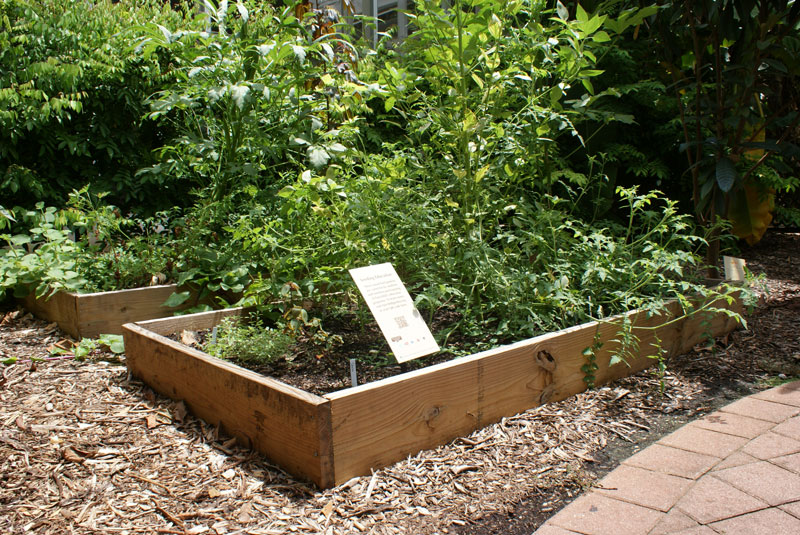
But this is about starting your garden, not just growing tomatoes. So start by building a raised bed now. A good trick is to cover the soil with layers of newspaper to keep down weeds until you are ready to fill the bed with garden soil, compost and whatever you decide to grow.
To learn more about not only how to grow, but what to grow this fall, the University of Florida’s “Florida Vegetable Gardening Guide” is an understandable yet detailed resource written specifically for Florida gardening. It includes lists of plants and the ideal time to plant them, days until harvest, irrigation, fertilizing, pest control and other tips. View it at http://edis.ifas.ufl.edu/vh021.
This article was written by Kenneth Setzer and originally published in the Miami Herald on September 14, 2013. Minor changes have been added to improve readability in a digital format.