Blog

Blog

Read the latest from the Fairchild Tropical Botanic Garden blog.

Society too disconnected with nature

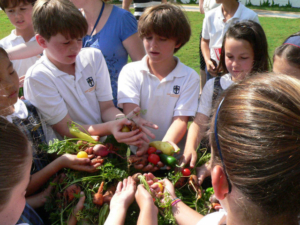
As published in the Miami Herald Do you notice a disconnect between the natural world and our daily life? Do you wonder why obesity is quickly becoming our country's biggest health issue? Questions like these prompted author Richard Louv to coin the term “nature-deficit disorder” in response to the growing problems that stem from society's dependence on the indoors. The concept that we need to unplug and spend more time outdoors is not a recent development; botanical…
Read More »

South Florida snakes in the garden

As published in the Miami Herald What wild things dwell in that uncultivated, unkempt portion of your yard? You know the area I’m talking about — the one where you occasionally dump leaves or hastily pulled weeds, rather than walk around to the compost bin.

Read More »

Shifting into high season

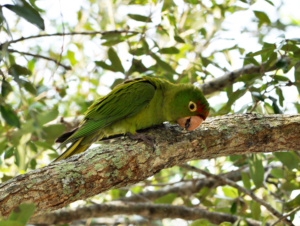
The place is more interesting these days. As the summer residents dwindle – goodbye to a badly battered Red A juvenile red-masked parakeet. Admiral butterfly and a dragonfly in woeful shape – new ones are appearing. The juvenile Red-Masked Parakeets are getting their red markings and the Blue-Gray Gnatcatchers are making zpee sounds all around the garden. A Black and White Warbler was in an oak tree in the butterfly garden last week, as was a Ruby-Throated Hummingbird. The Zebra…

Read More »

Seeking rare butterflies in the Keys

My respect for butterfly conservationists just shot up a thousand percent — especially those who identify and photograph these aerial jewels. Tuesday, I tagged along as Jaret Daniels led a group of butterfly conservationists to Bahia Honda State Park and the National Key Deer Refuge in the Florida Keys. They were searching for the state-listed endangered Miami Blue butterfly as well as Bartram’s hairstreak and the Florida leafwing, two candidates for federal listing. Armed with his…

Read More »

Saving our songbirds with trees

Can warblers find food here? Guided by the stars, the winds, and the Earth’s magnetic fields, migratory songbirds – the warblers, thrushes, vireos, tanagers and buntings that spend the summer in North America and the winter in the Caribbean and South America – are beginning to pass through South Florida now. Traveling from 30 to 100 miles a day, the birds need twice the amount of food during migration as they otherwise require. But will they find enough food here to help them…

Read More »

Sapodilla (Chiku) as a delicate dessert

A combination of peach, pear, cinnamon, honey and just a touch of brandy best describe the alluring flavor of the sapodilla. Sapodilla fruit are soft and sweet, with a delicate aroma hinting of the beauty to come. The sapodilla is native to Central America, but its unique appeal carried it centuries ago to Southeast Asia, where it has undergone a wonderful transformation. The Maya described it as dainty, fragrant and well tasting – a delicate fruit indeed. Sapodilla is de …

Read More »

Rose Apple: An Arch of Bells


In Florida we have a unique opportunity to create an edible landscape we can enjoy year round. Fruit trees are an essential part of any edible garden. However, a tree may not always be possible or functional in all yards. The Rose Apple provides a unique ability to have a fruit tree with out having a traditional tree that would take up a lot of space, offering a bounty of fruit in the fall and spring….


Read More »

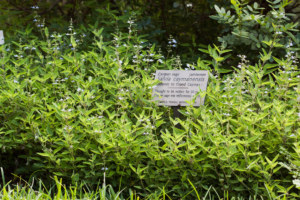
Risen from the Dead: Cayman Sage

Ants battle inside a Cayman sage flower. Whether caused by human beings, or stemming from a more “natural” cause, there is little sadder than the extinction of an entire species. From my standpoint, it is the loss of ability to simply know the world that particular species experienced-or just the inability to view a beautiful plant or animal in its natural surroundings. That’s perhaps selfish, but I think also a normal initial reaction. The greater loss is immeasurable….

Read More »

Right Plant, Right Place

As published in the Miami Herald As a horticulturist in a public garden I often hear, “I have this (insert plant name here) and it has (insert problem here), what should I do?” While it is true that there are likely corrective measures to be taken, perhaps pruning, pounds of fertilizer or ounces of pesticide will do the trick. The first step is taking time before planting to do some research and plan what will work best for your needs. There are a few very common mistakes that can…

Read More »

Ready, set, grow: Start an edible garden now

As published in the Miami Herald Most of the country is winding its gardening down and focusing instead on the new school year and autumn preparations — composting those old annuals, collecting seeds, digging it all under to go fallow.

However, our extreme southern gardening is really just beginning. Now, finally, we can grow some fruit and vegetables without the fear of them frying to a crisp under the summer sun or rotting in our tropical summer downpours.

Read More »

Putting the right plant in the right location

As published in the Miami Herald South Florida can be a difficult place to carve out your tropical paradise, with calcareous soils, a distinct wet and dry season and a bevy of plant pests, but by choosing the right plant and putting it in the right spot, you not only conquer our poor soils and extreme rainfall patterns, you can also often forgo using supplemental irrigation, pesticides and fertilizer. Over my 20 years of writing and teaching about horticulture, that theme has run through it …

Read More »

Pruning in South Florida

As published in the Miami Herald Pruning is done to control size or shape, to promote flower and fruit production, to remove unhealthy portions of a plant and to open trees up to make them less likely to fall or break apart during a storm. True pruning is an art which takes time and thought. Before you make your first cut, study the plant's natural shape and try to picture this plant in three to four years. Try to maintain that shape in your mind as you prune. This will help you to make…

Read More »

Proper Planting in South Florida

As published in the Miami Herald There are many questions when it comes to planting a new tree or shrub. How large should the hole be? Is it necessary to amend the soil or to add fertilizer? How often should a new planting be watered? What type of mulch should be used? The answers to these questions are simple and can generally be applied to most new plantings. Your first step in planting is to dig a hole for your plant. The hole should be dug just as deep and slightly wider than the …

Read More »

Possums in the yard

Spend a little time in the garden and you are bound to see them, most likely scurrying across your patio or hanging out along the top of a fence. Familiar yet strange, your typical backyard possum may be off putting, but learning a little about them may help you appreciate them a bit more.

Read More »

Plants Provide Chocolate for All the Senses

Here in South Florida, even outdoors, it is possible to grow the tropical tree from which chocolate derives. But you’ll need an awful lot of cacao trees to harvest enough fruit to actually make chocolate. Don’t despair, though, as there are other botanical opportunities for bringing chocolate into your life.

Read More »

FOLLOW THE LATEST @fairchildgarden