
Blog
Hot-Weather Gardening: How Plants and Gardeners Can Deal with Rising Temperatures
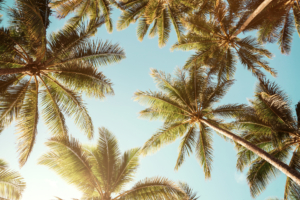
We’re accustomed to thinking of freezing temps as deadly to many plants, but extreme heat is just as dangerous. With temperatures rising around the globe, what can gardeners and plant lovers do to protect our plants from high heat?
Where to take injured, orphaned wildlife
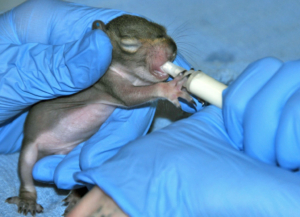
It’s baby squirrel season, and at the South Florida Wildlife Center in Fort Lauderdale, babies from one to three weeks old are being hand fed every three hours. Eyes shut, toes splayed and tiny tummies filling, the babies in the nursery are among the 13,000 animals taken to the Center every year. Each baby squirrel has a dot of toxin-free nail polish on his/her head so volunteers can keep track of who has eaten, who has burped or who has diarrhea. After being fed and stroked so…
Edible Purslane: Benefits of the Portulaca Oleracea
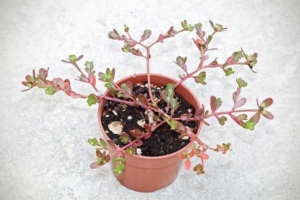
Don’t you wish growing edibles was like growing weeds? It can be. What is a weed, really, but a plant growing where we don’t want it to grow? Many weeds, it turns out, are indeed edible. Here’s a weed you can eat, is fairly attractive, and has an interesting history: Purslane (Portulaca oleracea).
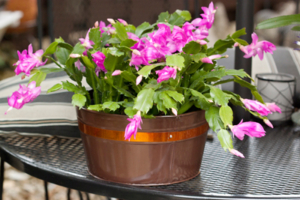
What to do with holiday rescue plants
All those sad-looking plants that no one bought—now is the time for you to swoop in and rescue them at bargain prices. Holiday gift plants can provide you with beauty long past the winter celebrations. Here are some I recommend you take home from the hardware store sale area.

What to do in the dry season
As published in the Miami Herald Although most places across the country have four seasons complete with changing leaves, snow days and the first robins of spring, South Florida has only two real seasons – wet and dry. You should have noticed a change recently, a little coolness in the air and very little humidity. That is the signal that we are leaving our wet months – usually late May to late October – and entering into our dry season. This coincides with the rest of the…

Weed removal efforts DO pay off!
If you have ever owned a garden, volunteered in one, or particpated in a volunteer work day, you may be an experienced weed-puller. As you yanked weed after weed, did you wonder whether the sweat, sore muscles, and dirty jeans were all for nought? Maybe you thought “This is impossible!!!” Well the

Water features create wildlife hotspots
As a kid, I loved digging a hole during the summer, filling it with water and jumping in. I suppose I was easily amused. If you, too, do this, but without the jumping in, you will have begun to attract amphibians like toads and frogs to your garden.

Using nature to heal mind and body
John Muir and Henry David Thoreau knew it. The Japanese call it “forest bathing,” using exposure to nature to heal physical and emotional ailments. Research is backing up what we’ve known intuitively all along: Nature heals.

Turmeric is an easy-to-grow tropical plant
There’s been some information floating around social media and the Internet about the health benefits of turmeric, including its ability to fight anxiety and depression. While I can’t support or deny these benefits, I think we should all take a look at turmeric. It may be known to many as a spice in curry or an ingredient in mustard, but what actually is turmeric?
Tropical Apricot (Mammea americana) for South Florida
The tropical apricot (Mammea americana) is one of the best kept tropical fruit secrets of Tropical America. No relation to the true temperate apricot of the northern climes, this fruit is a bit of a challenge, but worth the effort. A handsome evergreen, it resembles a southern magnolia at first glance and naturally forms a pyramidal, pleasing canopy. The tree is densely foliaged with glossy, leathery leaves of hunter green. The tree is a great asset in the home landscape that will provide a point of pride among your neighbors. Native to the West Indies and northern South America, the tree produces large, round brown fruit, with a deep orange flesh….

Biggest Palm Myths Debunked
As Published in the Miami Herald Palm trees are one of the most beloved landscape ornamentals in South Florida and are a relatively simple plant to grow in your yard. Despite the popularity and ease of growing palms, most homeowners know only scant truths about the palms residing in their backyards. Palm myths have run rampant and are becoming more widely accepted than the facts. For an ornamental that is so dear to our hearts and vital to our landscape, it is a shame that they are…

Tree snags are a home for wildlife
In my endless pursuit of doing less yardwork, I’ve realized our obsession with neatness and order causes a lot of work and wastes huge amounts of precious resources. Here’s one more task you can skip.

Tree ferns bring tropical Australia to your garden
As published in The Miami Herald Tree ferns look just like their names describe – tree-sized ferns, with a caudex, or trunk. They're so iconically tropical in appearance, you can't help but feel like you're in a Hawaiian rainforest when standing in their presence. You might also expect to see a dinosaur devouring the delicate fronds, since ferns in general look “primitive,” and an arborescent example would certainly attract a large herbivorous reptile. The…
Three Tricks to Growing Healthy Cycads
As Published in the Miami Herald Cycads are among the oldest plants on earth, often called “living fossils.” Living in almost any condition, these plants are extremely hardy. If they were tough enough to survive the conditions that ended the dinosaur dynasty, they can live through almost anything. Yet today, habitat destruction threatens the survival of these sturdy plants. Despite their toughness, many cycad collections are suffering in cultivation. Incorrect gardening habits foster…
The state of orchids in the wild, brought home
The Coalition for Orchid Species’ annual symposium Aug. 2 brought speakers from California, Texas, New York and Miami to the Garden House. About 80 people happily spent hours focusing on their favorite topic: orchids that occur in the wild. Because of habitat destruction, orchid species are sought by growers and collectors looking for increasingly rare plants. COS was organized in 1990 to stress conservation and educate the public about the diversity of the flowers found in nature. Lee Moore …

The Star Apple (Chrysophyllum cainito)
Star Apple (Chrysophyllum cainito) is a tropical fruit native to the lowlands of Central America and West India. The fruit has a star like design when it is sliced, hence its common name Star Apple.
The start apple its mostly appreciated as a fruit tree in home landscapes. It is a beautiful tree, making a perfect tree for landscaping in South Florida. The canopy …

The Sea is Rising
One of the serious growing threats to biodiversity of coastal species is sea level rise. Fortunately, many scientists are taking proactive measures to address this serious concern. Dr. Reed Noss of University of Central Florida and the Florida Institute for Conservation Science organized a cross-disciplinary Sea Level Rise Workshop from

Gardening in South Florida vs. the North: the Rules Are Different Here
As Published in the Miami Herald If you are a transplant from the north or simply a new gardener, you will quickly find out that the rules of growing plants in South Florida are different from just about everywhere else. There are four main factors that separate us from the rest of the plant growing world and also make growing things somewhat difficult: our soil, the threat of hurricanes, our climate and a plethora of pests. Soils To help combat our rocky soils, choose well adapted plants …
The right garden will draw painted buntings
I will never forget the first time that I saw them. They were almost too colorful to be believed! My jaw dropped with amazement at the vision before me. Here was a small bird with an iridescent violet-blue head, green back and cherry-red chest and underbelly.