Growing Beyond Earth®
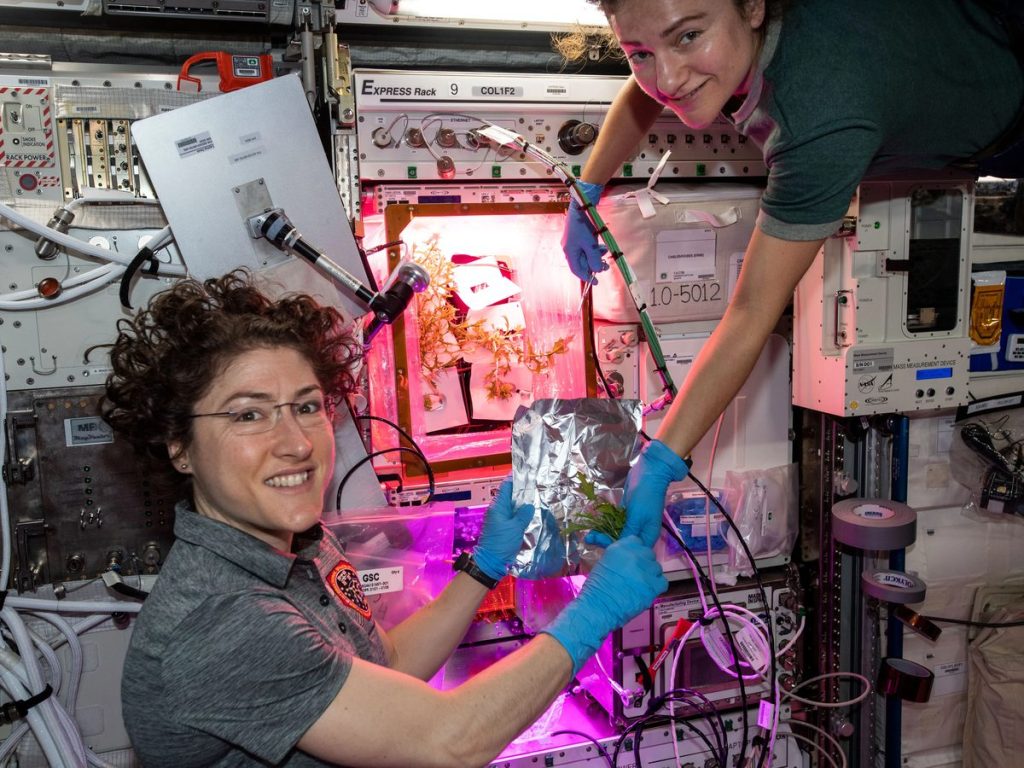
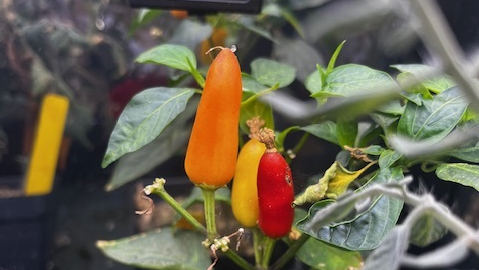
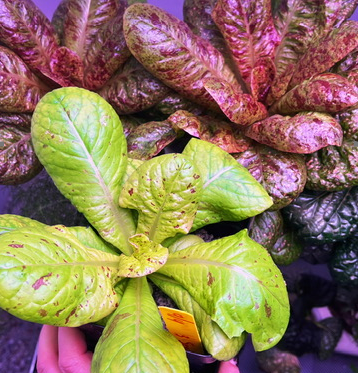
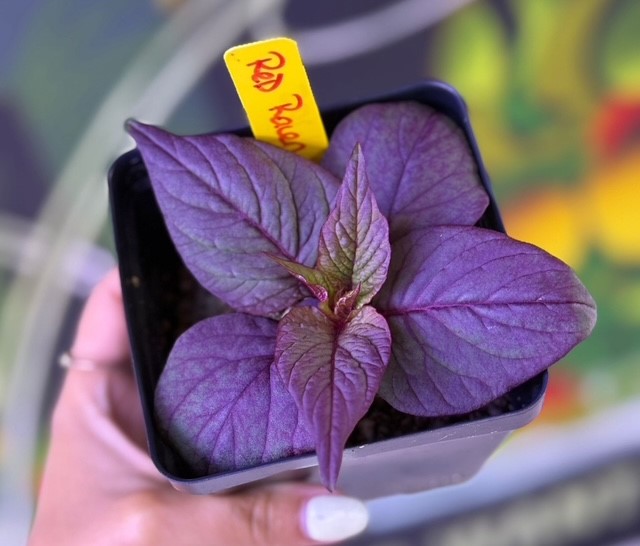
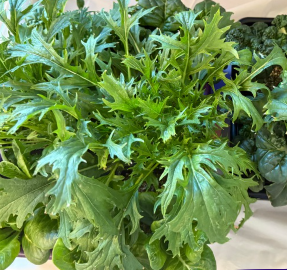
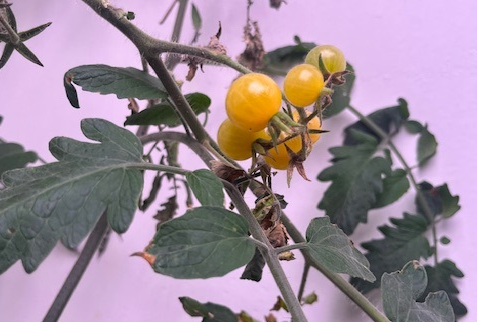
Growing Beyond Earth® is a classroom-based citizen science program that supports NASA research on growing plants in space while inspiring the next generation of explorers. As humans travel farther from Earth, developing sustainable food systems is critical for long-duration missions to the Moon and Mars. The program also explores solutions to food production challenges on Earth, including urban, indoor, and resource-limited environments.
Through GBE, students contribute real data to NASA’s Space Crop Production team at the Kennedy Space Center, helping advance early-stage crop research through Crop Readiness Level-1 and -2 for use on the International Space Station and beyond.
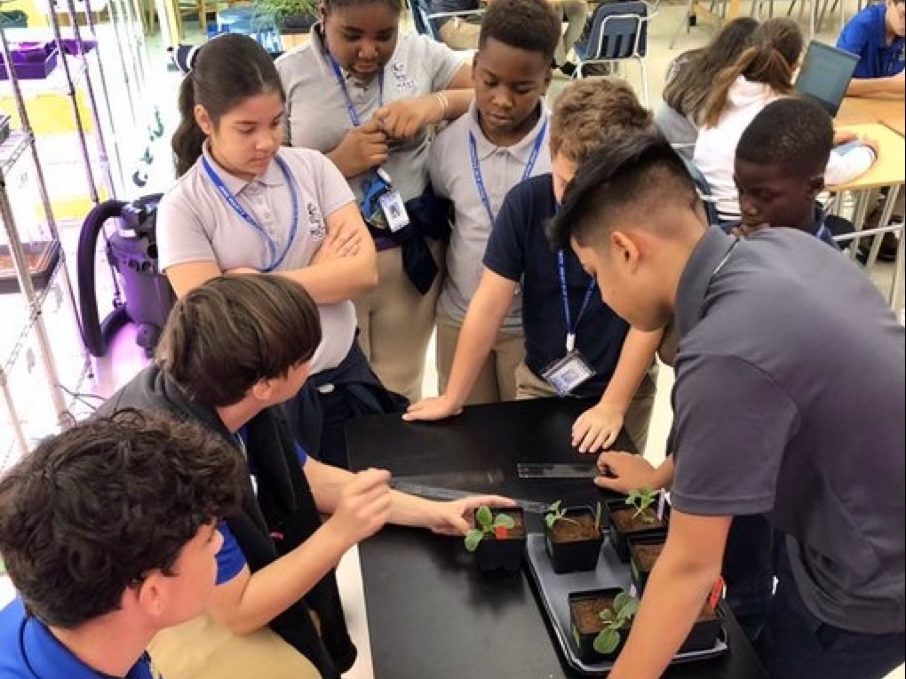
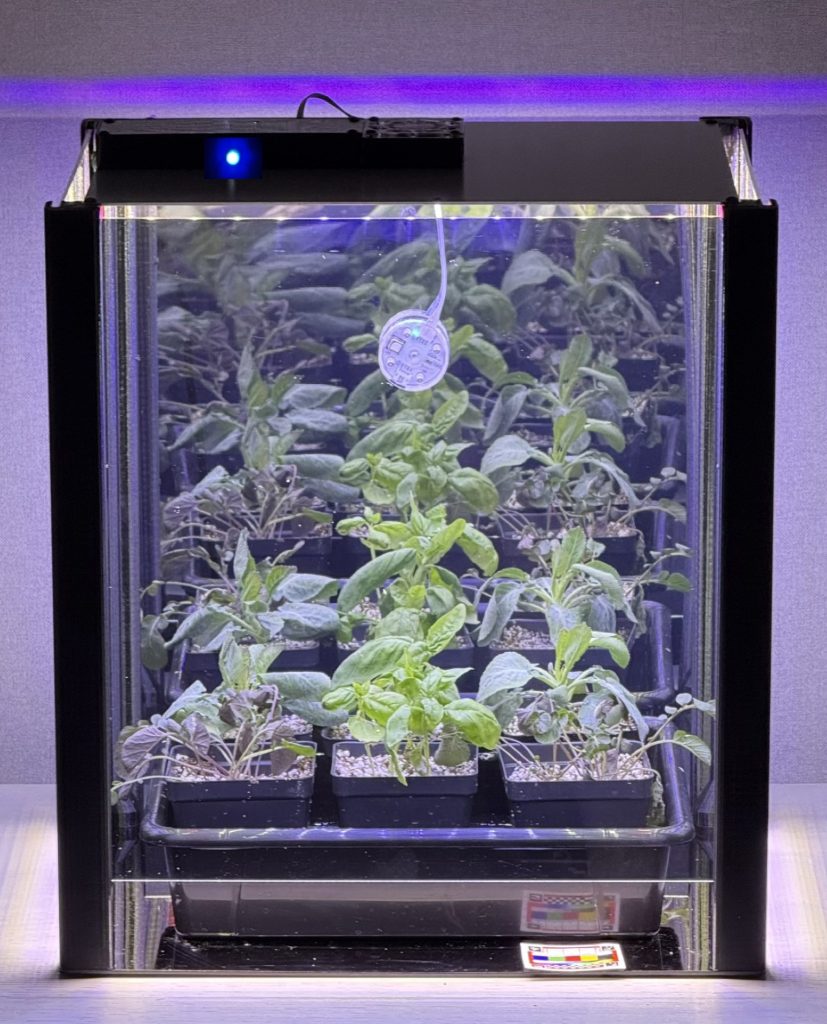
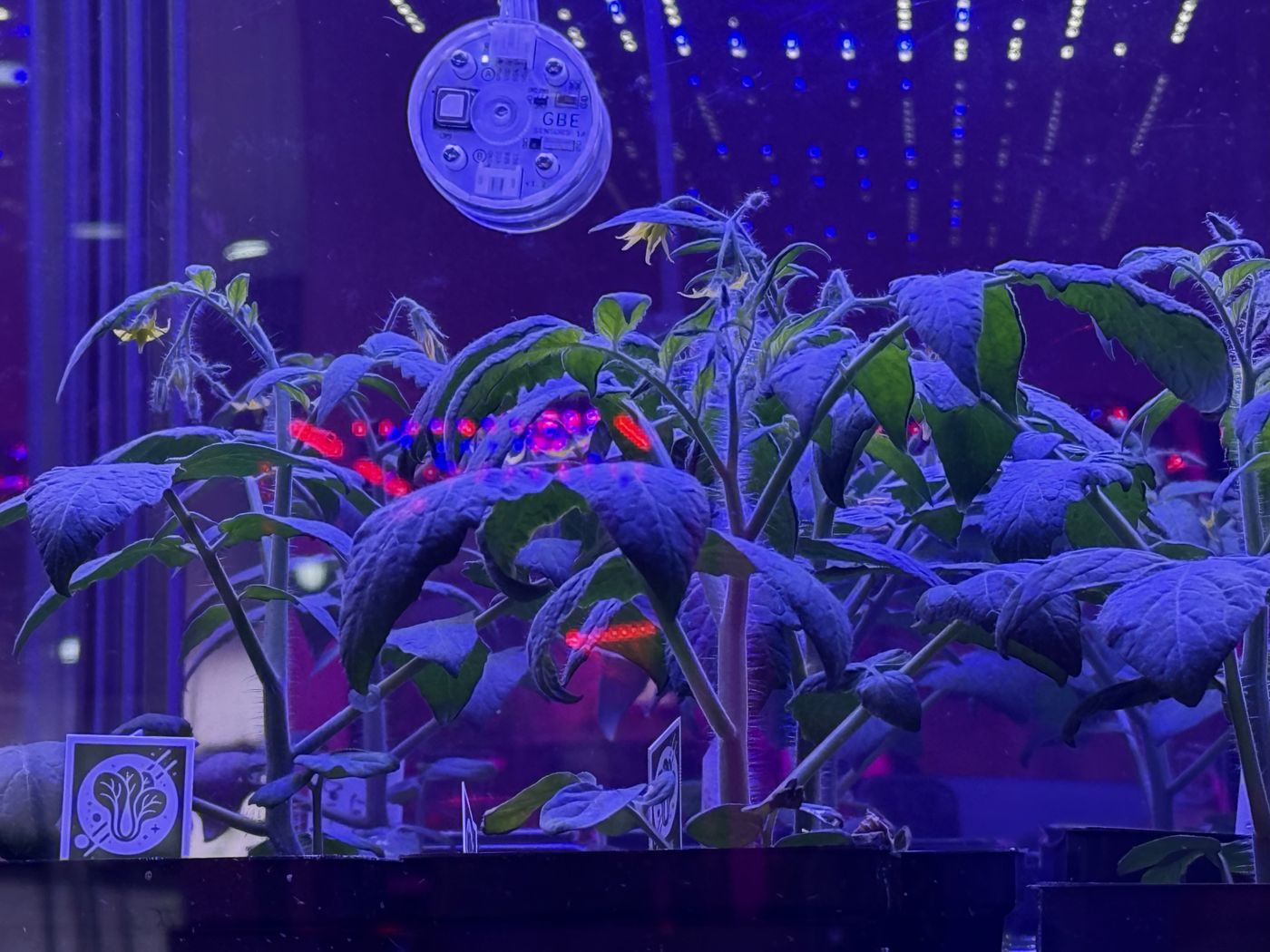
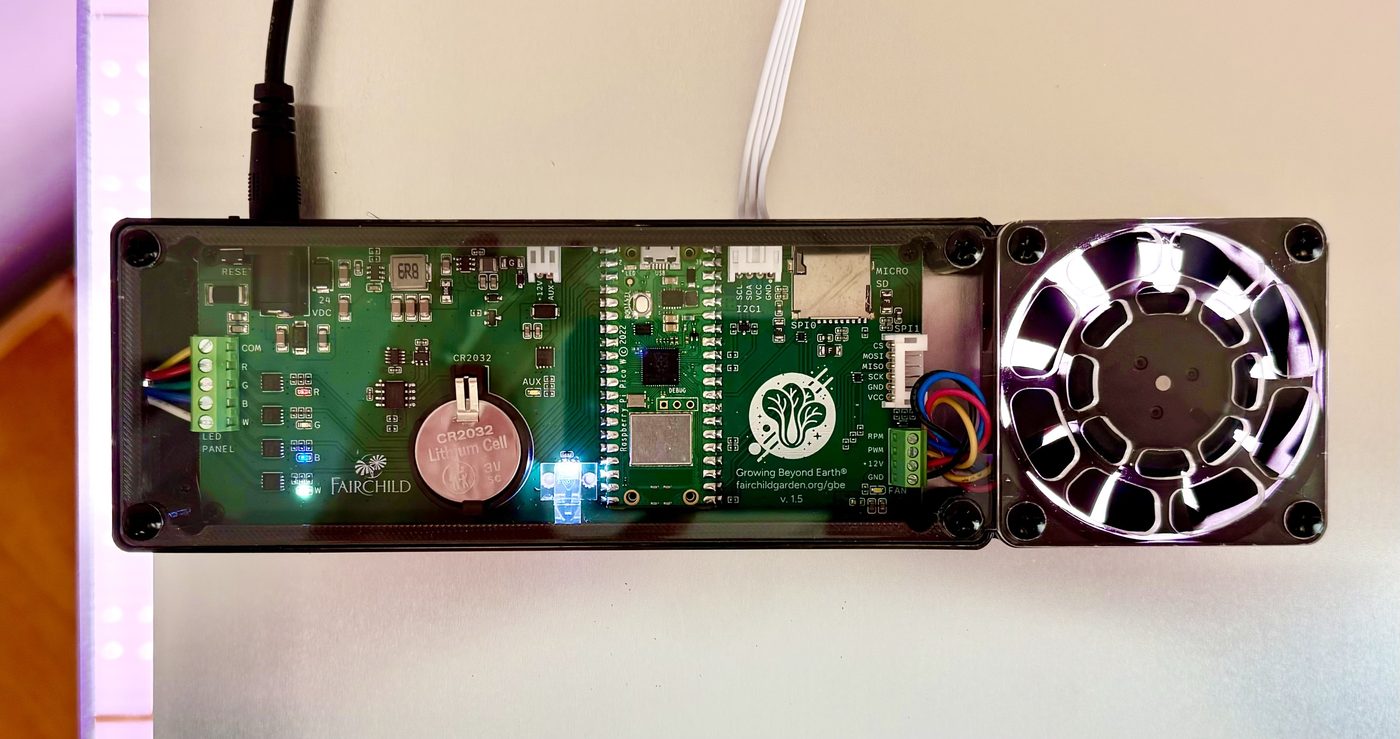
Established in 2015 as a partnership between Fairchild Tropical Botanic Garden and the National Aeronautics and Space Administration Science Mission Directorate, Growing Beyond Earth is now underway in 500 middle and high schools from 48 U.S. states and 10 countries. GBE is unique in its focus on real scientific research, enabling student community scientists to actively contribute data toward NASA mission planning. Each classroom receives a Fairchild-designed plant habitat analogous to the Vegetable Production System (Veggie) on the International Space Station (ISS). Fairchild and NASA scientists train teachers to conduct GBE experiments with students and share their results with NASA
Growing Beyond Earth® (GBE) es un programa científico financiado federalmente diseñado para avanzar en la investigación de la NASA sobre el cultivo de plantas en el espacio e inspirar a la próxima generación de exploradores. Growing Beyond Earth contribuye al programa más grande de la NASA, Artemis. El programa Artemis guiará a la humanidad hacia adelante y establecerá bases permanentes en la Luna para facilitar misiones humanas a Marte. Este es un esfuerzo global liderado por EE.UU., con múltiples hitos de misión, involucrando socios internacionales y comerciales, así como científicos ciudadanos como tú. A medida que los humanos se expanden en el espacio más allá de la Tierra, la capacidad de cultivar cultivos alimentarios sostenibles es una solución a un gran desafío de las misiones espaciales de larga duración y profundas.
Tu trabajo en Growing Beyond Earth apoyará directamente los objetivos de la NASA de alimentar a los astronautas en la Estación Espacial Internacional, la Luna, Marte y más allá, proporcionando datos de Nivel-1 y -2 de Preparación de Cultivos al Dr. Gioia Massa (Científico Senior), Trent Smith (Asesor de Investigación) y su equipo de Producción de Cultivos Espaciales en el Centro Espacial Kennedy de la NASA.
Existen numerosos desafíos y soluciones en ciencia, tecnología, ingeniería y matemáticas (STEM) relacionados con la producción de alimentos en el espacio que tienen aplicaciones en la Tierra. GBE también está avanzando en tecnologías para el cultivo de plantas en entornos urbanos, interiores y otros lugares con recursos limitados.
Establecido en 2015 como una asociación entre el Jardín Botánico Tropical Fairchild y la Dirección de Ciencia de la NASA, GBE ahora está en marcha en 500 escuelas secundarias y preparatorias de 48 estados y 10 países. GBE es único en su enfoque en la investigación científica real, permitiendo que los estudiantes-científicos comunitarios contribuyan activamente con datos hacia la planificación de misiones de la NASA. Cada aula recibe un hábitat para plantas diseñado por Fairchild, análogo al Sistema de Producción de Vegetales (Veggie) en la Estación Espacial Internacional (ISS). Los científicos de Fairchild y la NASA capacitan a los docentes para realizar experimentos de GBE con los estudiantes y compartir sus resultados con la NASA.
Interested in joining Growing Beyond Earth? Click on our Interested Schools tab to learn more!
Announcements
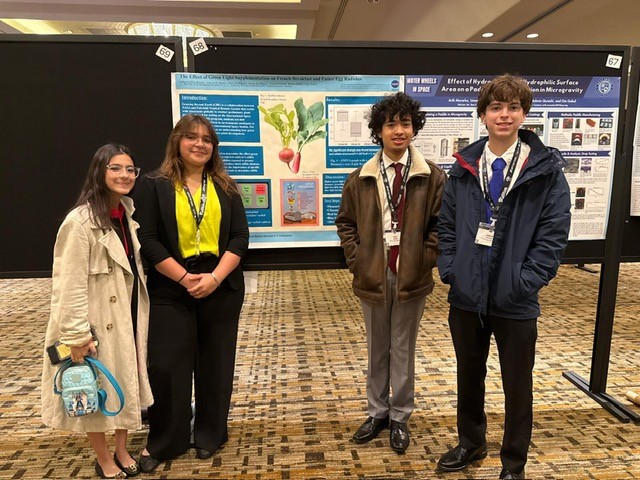
We’re excited to share that this year’s GBE Student Research Symposium was a tremendous success!
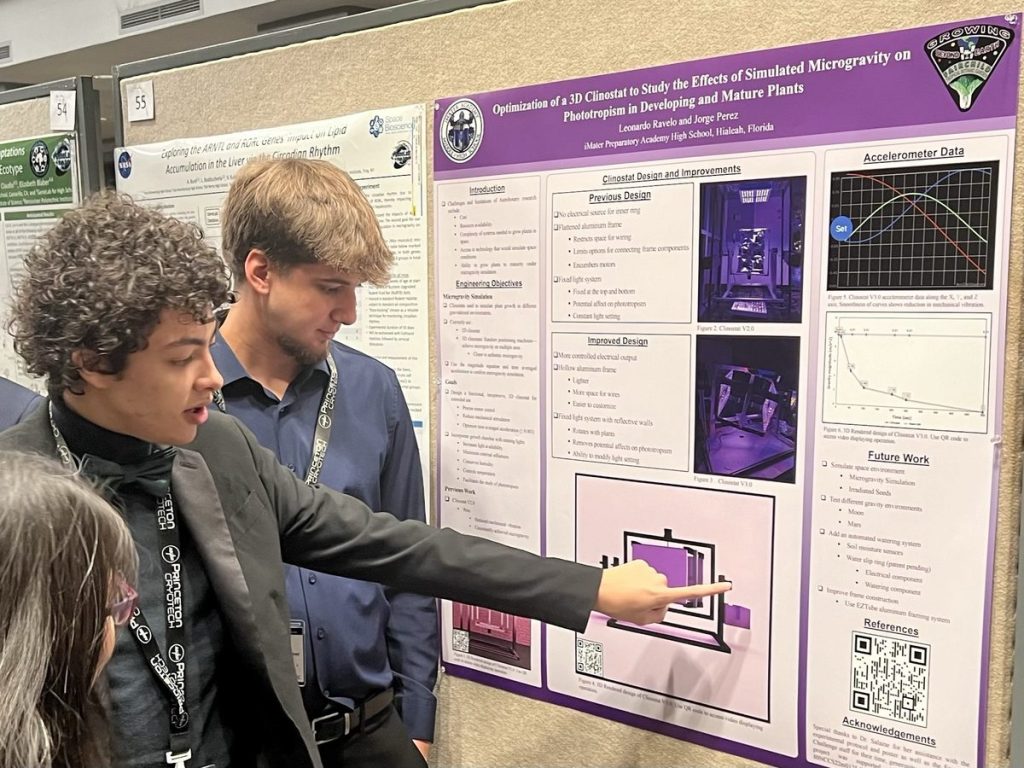
With participation from over 80 schools and more than 300 participants, the event brought together an incredible community of students, educators, and judges from across the country. Both virtual and in-person presentations showcased innovative research, creative problem-solving, and a strong commitment to scientific exploration.
Our judges played a key role in providing thoughtful feedback and helping highlight outstanding projects, while students had the opportunity to share their work, learn from one another, and engage with experts in the field.
Thank you to everyone who helped make this year’s symposium such a meaningful and inspiring experience. We look forward to continuing to grow this community and seeing even more schools join us in the future.
We are excited to recognize this year’s top-performing schools across both virtual and in-person presentations:
Virtual Symposium – Top 5 Recognized Schools:
Bonnie Branch Middle School
Brick Memorial High School
East Rockaway Junior Senior HS
Ingenious Steam PR
Odyssey Early College and Career Options
In-Person Symposium – Top Honors:
First Place: BioTECH at Richmond (9–12) Team SAGE
Second Place: North Broward Preparatory School
Director’s Choice Award: Miami Palmetto Senior High School
Our preliminary results for the 2025-2026 Prescribed research results are available! More data will be added.
The datasets from last year’s prescribed experiments are now available!


Miami-Dade, Broward, Palm Beach or Monroe County Teacher?
Visit the Fairchild Challenge home page for more information about this and other Challenges.
Need more information, contact GBE@fairchildgarden.org
This website is based upon work supported by NASA Science Activation Grant No. 80NCCS22M0125-SciAct. Any opinions, findings, conclusions, or recommendations expressed in this material are those of the authors and do not necessarily reflect the views of the National Aeronautics and Space Administration.
Este sitio web se basa en el trabajo respaldado por NASA Grant No. 80NCCS22M0125-SciAct. Todas las opiniones, hallazgos, conclusiones o recomendaciones expresadas en este material pertenecen a los autores y no reflejan necesariamente los puntos de vista de la Administración Nacional de Aeronáutica y del Espacio.
Program Partners: