
Choose the Best Outdoor Succulent Plants for Your Garden
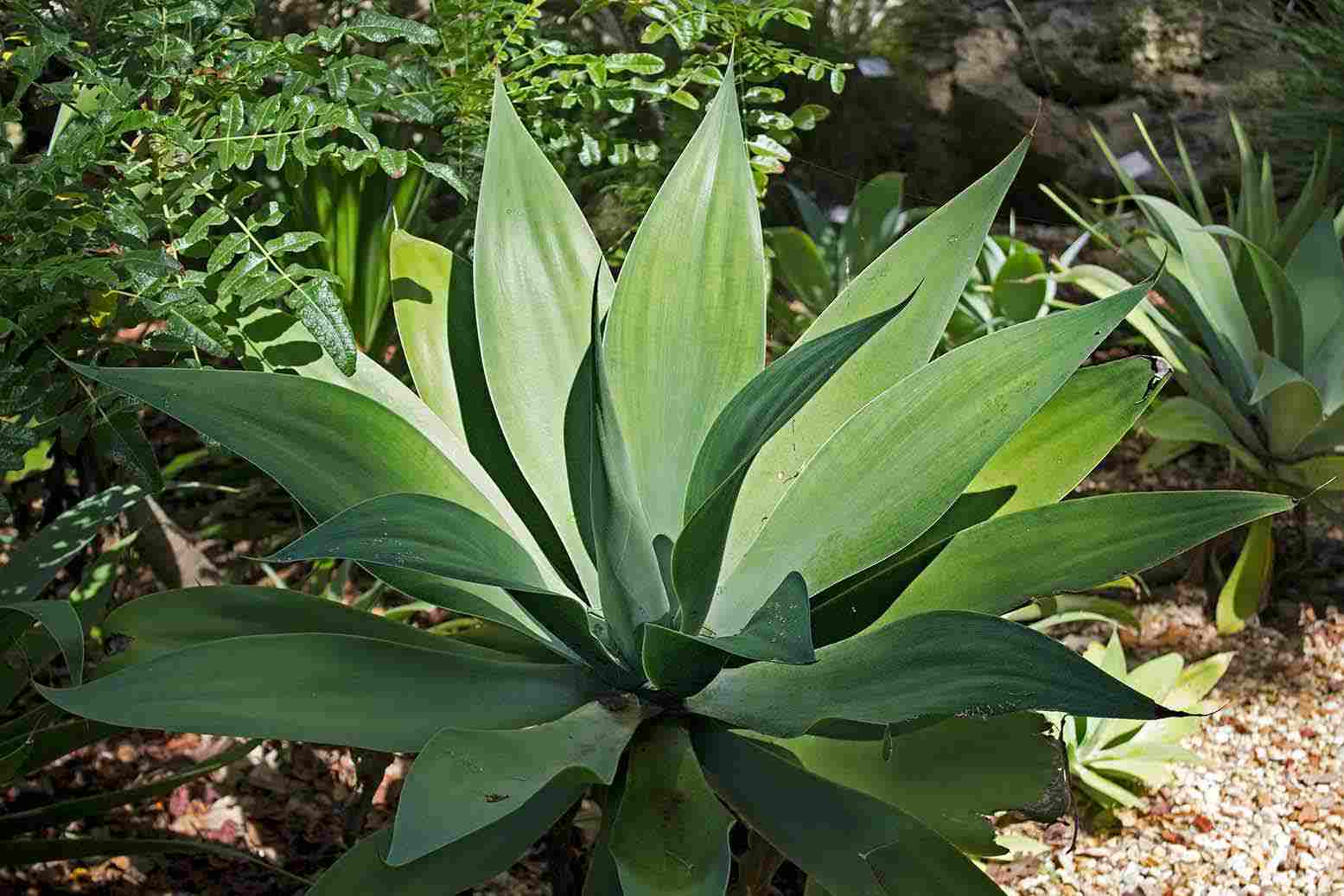
Succulents are drought-tolerant plants with thick, fleshy leaves, stems, or roots that store water, allowing them to thrive with minimal care. Their unique appearance and low water needs make them popular houseplants and garden plants.
Outdoor succulents come in a wide variety of shapes, colors, textures, and sizes across many plant families. Popular examples include aloe, echeveria, and cacti (which are a type of succulent), and many varieties are also cold-hardy.
Ground-cover succulents are low-growing and spread quickly across the soil, helping prevent weed growth. They are popular in containers and hanging baskets, while larger varieties, such as agave, are best used as focal points in garden landscapes.
Succulents are one group among many that perform well outdoors in South Florida. For the full picture across sun, shade, and container conditions, see our guide to the best outdoor plants.
In This Article
- Are Succulent Plants Indoor or Outdoor?
- Benefits of Growing Succulent Plants Outdoors
- Types of Outdoor Succulent Plants
- How to Care for Outdoor Succulent Plants
- Outdoor Succulent Plants for Homes with Pets
- FAQs
Are Succulent Plants Indoor or Outdoor?
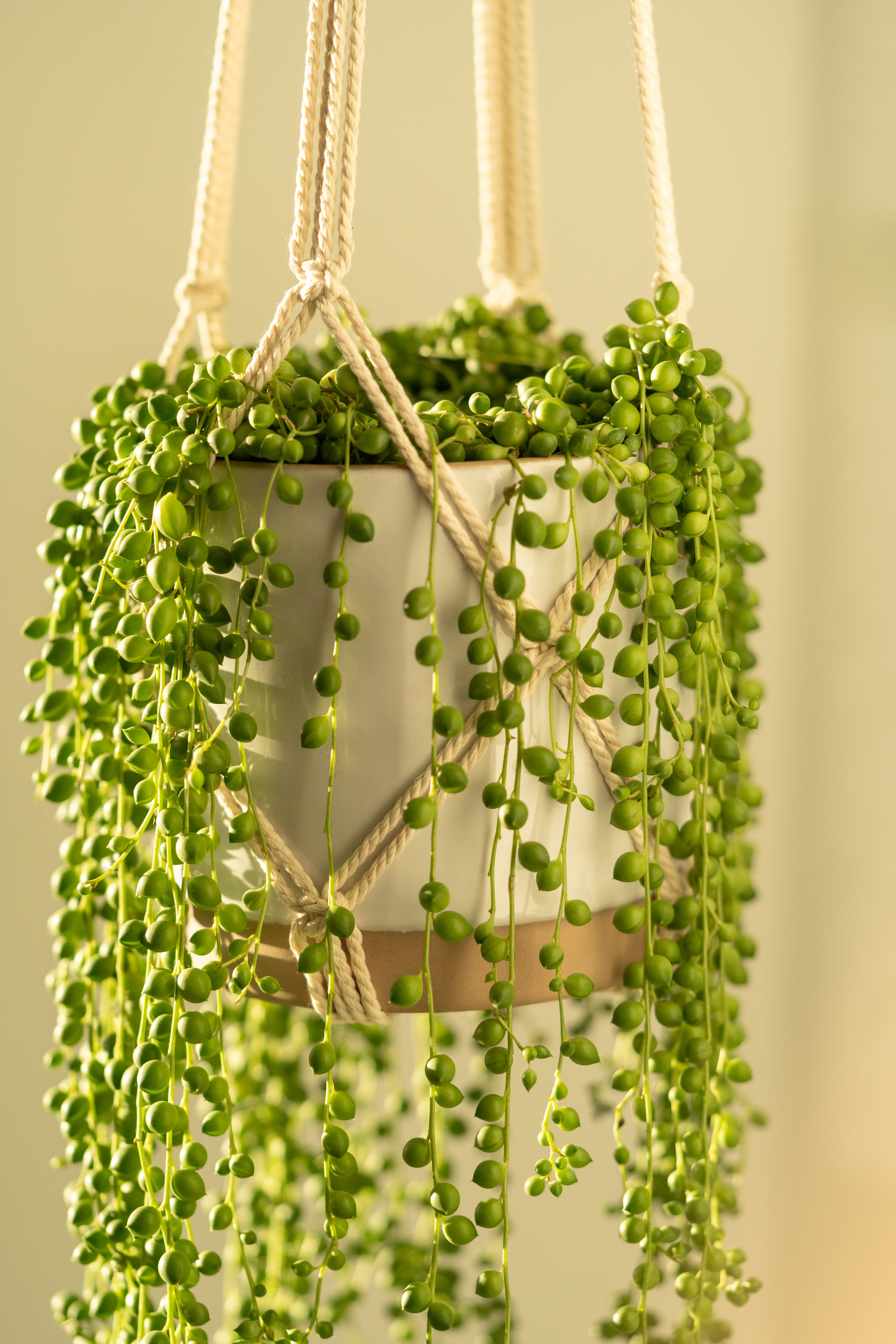
With so many different types of succulents, these plants are versatile and can be grown both indoors and outdoors, depending on the species and local climate.
Soft succulents are tender plants that thrive in warm climates with temperatures above 40°F and require indoor protection from frost, making them well-suited for growing indoors. Common types include Echeveria, many Sedums, and Kalanchoe. They prefer infrequent watering.
Hard succulents are cold-hardy plants that can survive freezing temperatures as low as –20°F and tolerate wetter conditions, making them ideal for outdoor gardens in colder climates. Common hardy varieties include Sedum, Sempervivum (Hens and Chicks), and some Delosperma.
Benefits of Growing Succulent Plants Outdoors
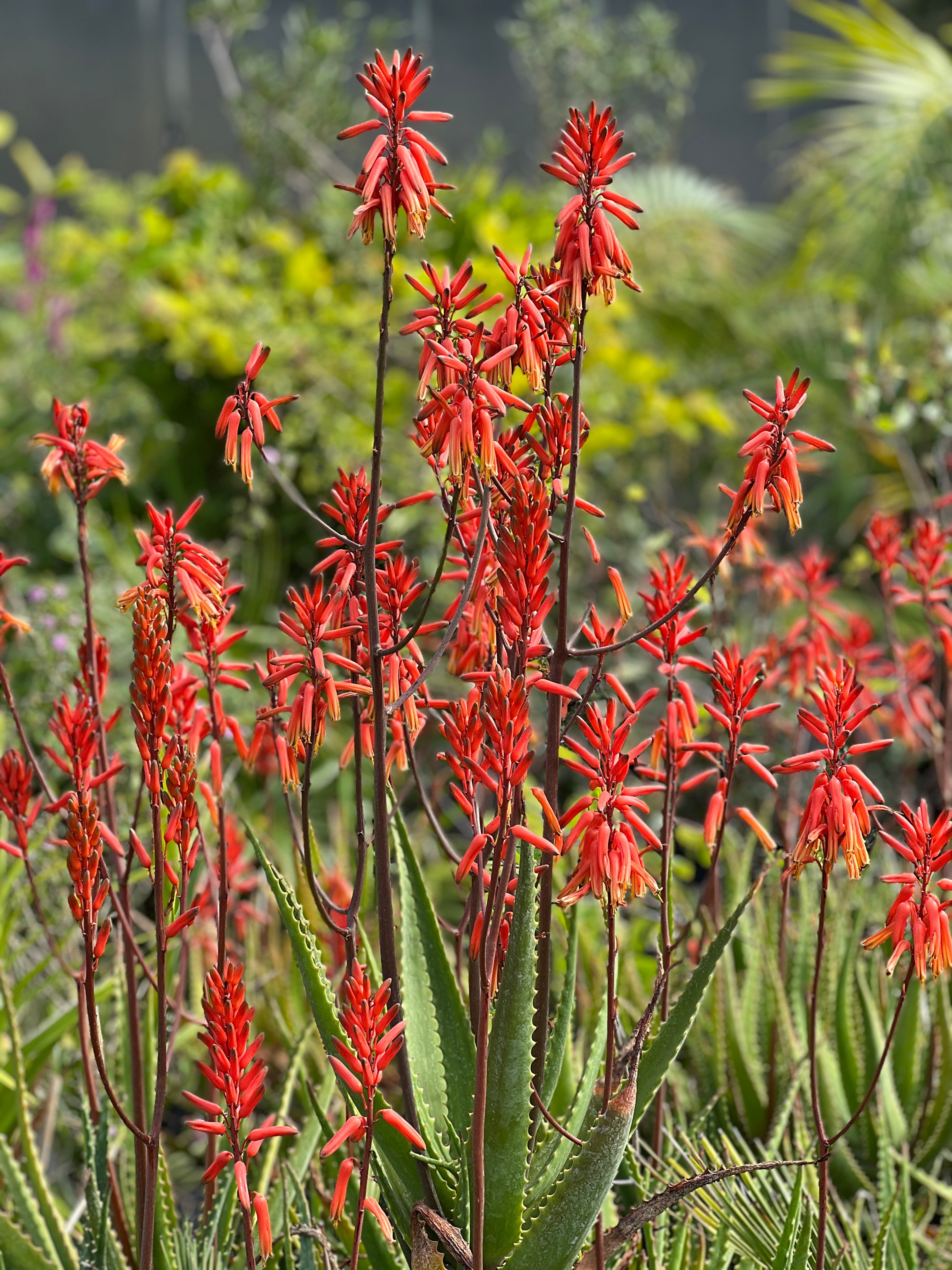
- Low maintenance and drought tolerant: Succulents store water in their leaves, requiring minimal watering. They are ideal for busy gardeners, dry climates, and water-wise landscapes, and are naturally resistant to many pests.
- Versatile and visually striking: Available in a wide range of sizes, colors, shapes, and textures, succulents thrive in rock gardens, patios, containers, ground covers, balconies, and indoor displays, adding structure and year-round interest.
- Easy to propagate: Succulents reproduce both sexually (from seed) and asexually (through offsets, leaves, or stems), making it easy to grow your collection or share plants with others.
- Sustainable and practical: These plants support eco-friendly gardening by using less water, and some varieties, such as Aloe vera, also provide medicinal or skincare benefits.
Types of Outdoor Succulent Plants
Outdoor succulents offer a wide range of textures and forms and thrive in well-draining soil with plenty of sun.
Hardy succulents can survive freezing temperatures by going dormant, while soft succulents are not frost-tolerant and need protection when temperatures fall below 40°F, making them best suited for regions with mild winters.
Low Maintenance Outdoor Succulent Plants
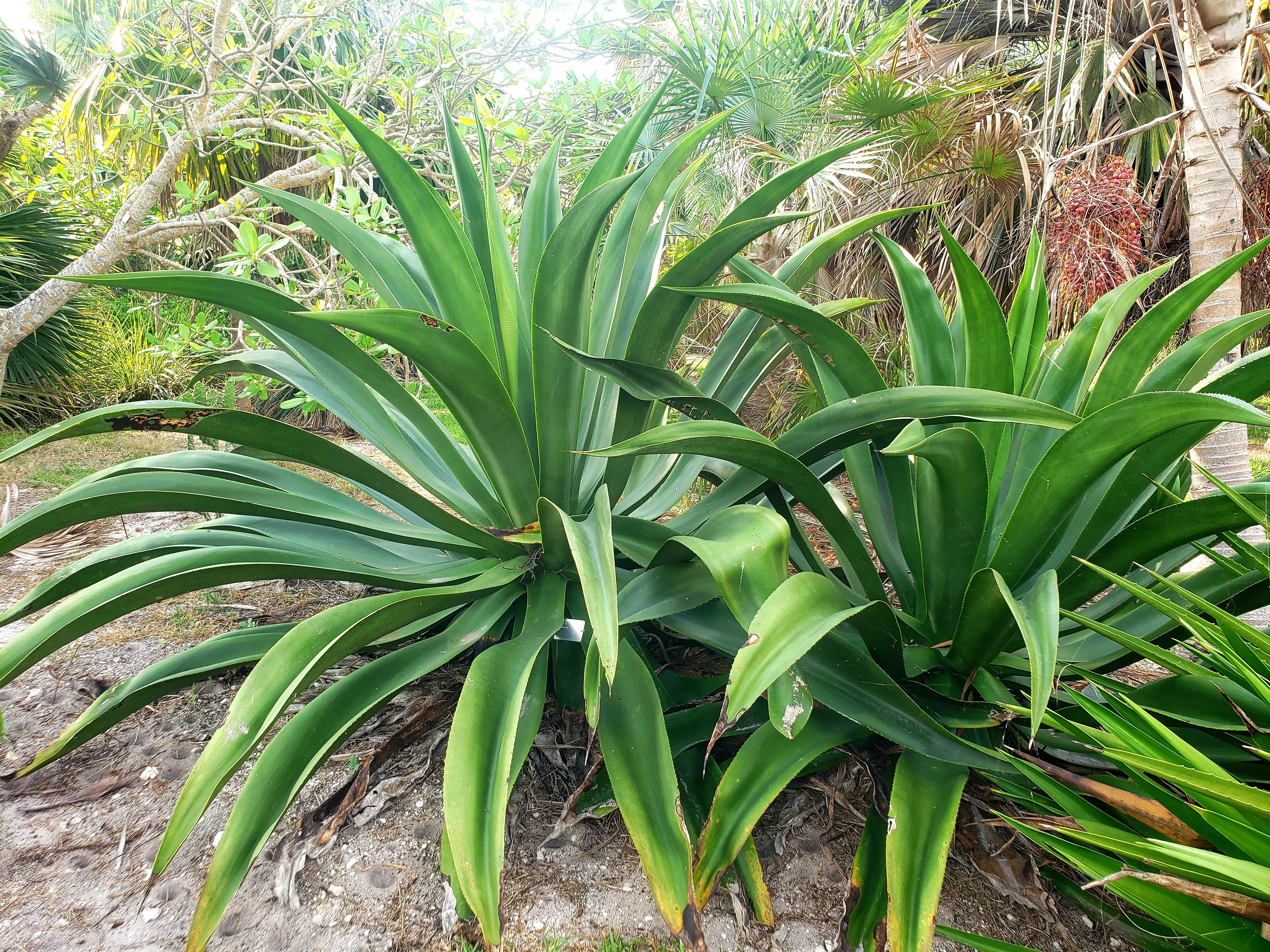
Low-maintenance outdoor succulents are drought-tolerant, water-storing plants that thrive with minimal care. For these reasons, they are ideal for beginners and busy gardeners.
They prefer bright sunlight, well-draining soil, and infrequent deep watering, making them especially suitable for dry climates. Hardy and naturally pest-resistant, they add vibrant color and texture with little effort.
Some popular types of low-maintenance outdoor succulents include:
- Agaves: Large, hardy succulents well suited for outdoor landscapes.
- Sedum (Stonecrop): A low-spreading plant that’s excellent for adding texture.
- Sempervivum (Hens and Chicks): Extremely cold-hardy and ideal for use as ground cover.
Outdoor Flowering Succulent Plants

Even if it is not always obvious, all succulents are flowering plants capable of producing beautiful, colorful blooms. Some require specific conditions or maturity before flowering, and bloom times vary by type.
Some succulents are monocarpic, flowering only once before dying and leaving offsets behind, such as Agave and Hens & Chicks. Polycarpic succulents, on the other hand, bloom repeatedly throughout their lives under the right conditions, including Aloes, Echeverias, Sedums, Crassulas, Delosperma, and most cacti.
Succulent flowers attract bees and other pollinators, like butterflies, essential for seed creation. Succulent plants outdoors can boost garden biodiversity when planted with care.
Tall and Large Outdoor Succulent Plants
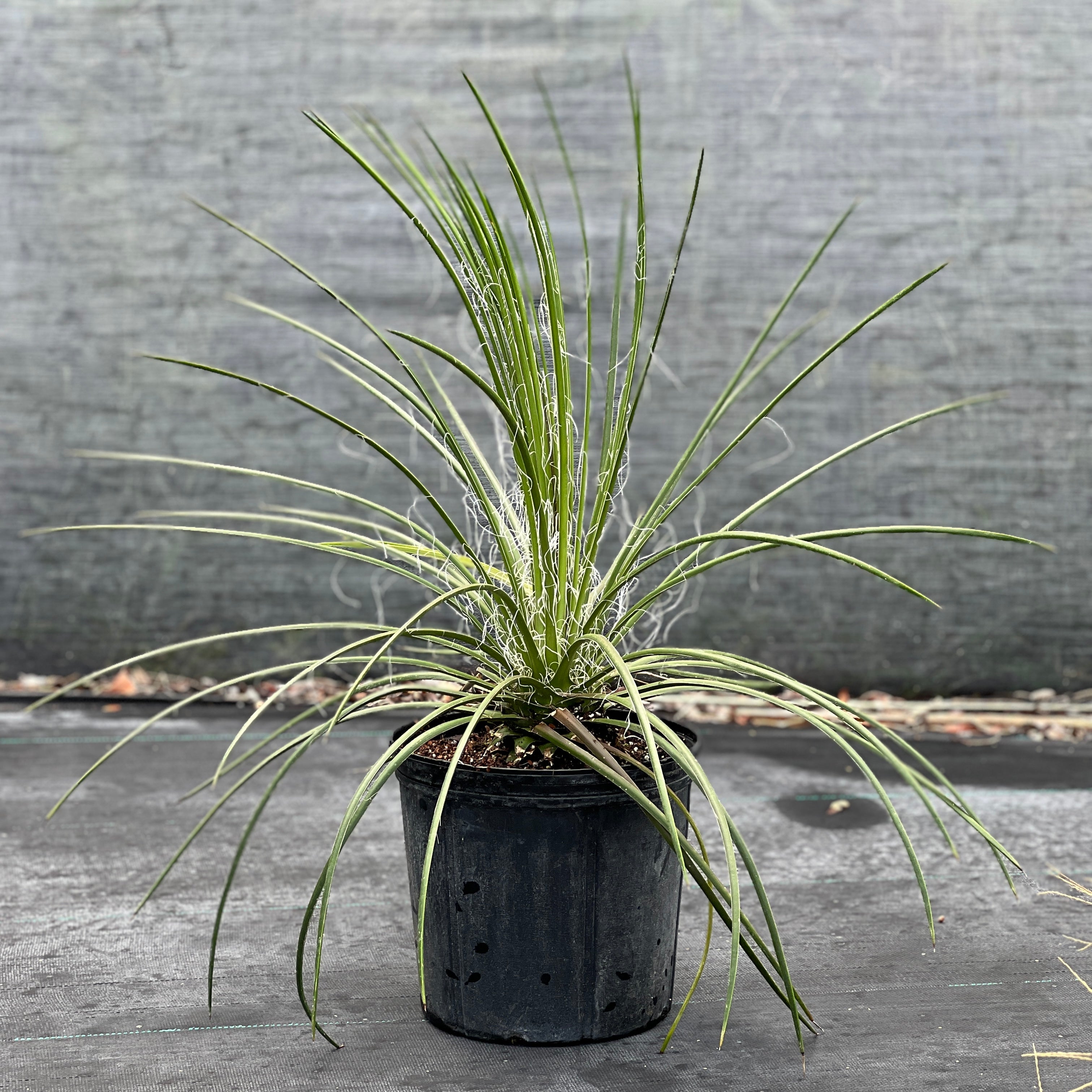
Both tall and large succulents create strong focal points and visual interest in a garden, but they achieve this impact in different ways depending on how they grow.
Tall outdoor succulents are prized for their vertical growth, such as aloes and columnar euphorbias, while large outdoor succulents emphasize overall volume and spread, including agaves, large aloes, and crassulas that form bold rosettes or dense masses.
Succulents make excellent garden anchors, adding height, structure, and textural contrast to landscape designs. Their bold shapes allow them to function as striking visual statements that enhance the overall layout of a garden.
Hanging Succulent Plants Outdoor

Outdoor hanging succulents are trailing, low-maintenance plants ideal for baskets and elevated planters. Their cascading growth creates eye-catching displays for patios, balconies, and pergolas.
They thrive outdoors in bright light, ideally morning sun with afternoon shade, and prefer well-draining soil. Like other succulents, they require infrequent watering, with slightly increased watering during extreme heat.
Popular types include String of Pearls (Senecio rowleyanus), Burro’s Tail (Sedum morganianum), String of Bananas (Senecio radicans), and Calico Kitten (Crassula marginalis rubra ‘Variegata’).
Our favorites for hanging baskets include mistletoe cactus and pendant cacti.
How to Care for Outdoor Succulent Plants
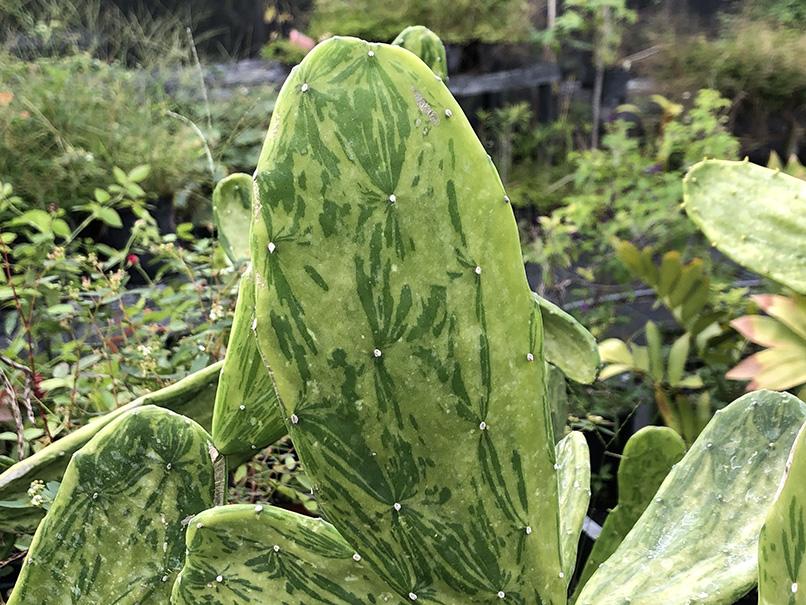
Outdoor succulents ask for very little, but the little they ask for is specific. Getting four things right covers almost every situation.
- Soil and drainage: This matters more than everything else combined. Succulents tolerate drought easily and standing water not at all. A gritty mix of roughly half mineral material, such as pumice, coarse perlite, or crushed granite, and half organic material works for most species. In heavy or clay soils, plant on a raised mound or in a raised bed rather than amending the surrounding ground.
- Sunlight: Most outdoor succulents want at least six hours of direct sun to keep their compact shape and color. Highly pigmented Echeveria and Haworthia are exceptions and can scorch in intense afternoon light, so they do better with morning sun and afternoon shade.
- Watering: Water deeply, then allow the soil to dry completely before watering again. For containers in active growth, that is typically every one to two weeks, and considerably less during cool weather or dormancy. Established in-ground plants in humid climates may need no supplemental water at all outside of drought. Always water at the base rather than overhead, and avoid wetting the rosettes.
- Spacing: Give clumping varieties room to fill in. Crowded plantings trap humidity between the leaves, which is the most common path to rot in warm, wet climates.
Propagation is straightforward. Take leaf or stem cuttings, let the cut end callus for a few days somewhere dry and shaded, then set them on barely moist mix. Offsets can be separated from the parent plant and replanted directly.
In zones 8 and colder, move tender species into containers before the first frost and keep them cool, bright, and nearly dry until spring. Hardy varieties need no protection, but they do need to stay dry, since wet soil combined with freezing temperatures kills far more succulents than cold alone.
Outdoor Succulent Plants for Homes with Pets
There are several types of outdoor succulent plants that are considered toxic to pets. Therefore, when pet owners are selecting succulents for a garden or outdoor space, it is important to choose non-toxic varieties. The ASPCA’s toxic and non-toxic plant database is the reference we recommend for checking any species before planting.
Some pet-safe outdoor succulents include Haworthia (Zebra Plant), Sempervivum (Hens & Chicks), Echeveria, Burro’s Tail (Sedum morganianum), Ponytail Palm (Beaucarnea recurvata), and Opuntia (Prickly Pear). These succulents are generally considered non-toxic to pets and thrive outdoors in sunny, well-drained locations. Opuntia is the one to place thoughtfully: it is not toxic, but its spines and fine glochids are a physical hazard for a curious animal.
Examples of common outdoor succulents that may be toxic to pets include Aloe vera, Jade Plant (Crassula ovata, listed in older references as Crassula argentea), Kalanchoe, Curio and Senecio species (many hanging succulents), Euphorbia species, and Snake Plant (Dracaena trifasciata, formerly Sansevieria trifasciata). Always check toxicity by variety before planting.
FAQs About Outdoor Succulent Plants
Succulents that thrive outdoors include hardy varieties that can tolerate below-freezing temperatures, such as Sedum (Stonecrop), Sempervivum (Hens & Chicks), and hardy Opuntia (Prickly Pear).
Success depends on choosing varieties suited to your local hardiness zone and providing good drainage.
Cold-hardy succulents, such as Sempervivum and Sedum, can tolerate temperatures as low as –20°F. They survive winter by going dormant, and return strong in spring.
For soft succulents, like Echeveria, Crassula and Kalanchoe, temperatures below 40°F can cause discoloration, leaf drop, or freeze damage.
Knowing which type of succulent you have helps you prepare and protect your plants during winter.
Succulents can thrive outdoors, especially in sunny, dry climates, but their success depends on the specific variety and local conditions.
Hardy succulents can tolerate frost, while soft or tender types need protection from freezing temperatures. With the right plants for your hardiness zone, along with proper drainage and watering, succulents can become beautiful, low-maintenance features in any outdoor space.
Many outdoor succulents are perennials, meaning they return year after year. Hardy perennial varieties include Sedum (Stonecrop), Sempervivum (Hens and Chicks), Agave, and cold-hardy ice plants such as Delosperma and Lampranthus. Echeveria is also a perennial genus, best suited to mild climates.
Water deeply, then wait until the soil has dried completely before watering again. For containers in active growth, that usually means every one to two weeks, and much less in cool weather or dormancy. Established in-ground plants in humid climates often need no supplemental water outside of drought. Overwatering causes far more losses than underwatering.
A fast-draining mix of roughly half mineral material, such as pumice, coarse perlite, or crushed granite, and half organic material. In heavy or clay soils, plant on a raised mound or in a raised bed instead of amending the surrounding ground. In consistently wet climates, increase the mineral fraction to 60 or 70 percent.
Final Thoughts
Outdoor succulent plants are an easy-to-maintain alternative that can enhance the beauty of any outdoor space while also supporting biodiversity. Selecting the right succulent species for your local climate is essential, as climate suitability plays a key role in plant health and long-term survival.
In addition to climate considerations, succulents offer great creative potential in landscape design. They can stand alone as eye-catching focal points or complement existing plants in garden beds, containers, or rock gardens. Their wide range of forms, colors, and textures allows for flexible and visually engaging designs.
Ultimately, variety is key. Choosing appropriate succulent types and providing the right soil, drainage, and watering conditions will help ensure a thriving outdoor space that remains attractive throughout the year.