
Best Outdoor Plants: Low-Maintenance, Hardy, and Beautiful
When choosing the best outdoor plants for your space, it’s important to consider the specific conditions of your environment so you can select plants that not only beautify your garden but also thrive there.
Factors such as light exposure, soil type, space size and local weather conditions will guide you in finding the best outdoor plants for your yard, pot or garden. In this article, we’ll help you get started with confidence.
In This Article
- How to choose the best outdoor plants for your space
- Best low maintenance outdoor plants
- Best outdoor plants for full sun
- Best outdoor plants for shade
- Best outdoor plants for pots
- Hanging plants for balconies, patios, and railings
- Florida native plants for outdoor gardens
- Where to start if you are new to gardening in Florida
- FAQs
How to choose the best outdoor plants for your space
Factors to consider when choosing the best outdoor plants for beginners:
- Light exposure: Pay attention to how sunlight moves across your garden throughout the day. Note which areas receive full sun (at least 6 hours), partial shade (3–6 hours), or full shade (less than 3 hours).
- Climate conditions: Choosing plants that are well adapted to your region’s climate is essential. This includes considering temperature ranges (both highs and lows), humidity levels (wet or dry), wind and typical rainfall patterns.
- Soil and drainage: Does your soil hold moisture or drain quickly? Also consider the planting location: in-ground planting may require additional soil or a media mix (see our guide to soil and growing media); raised beds provide good drainage but dry out faster; and containers drain quickly.
- Space and final size: Before planting, consider each plant’s mature size. When plants are overcrowded, they compete for space, light, water, and nutrients, leading to stress, poor growth, and increased pruning needs.
Outdoor plants serve a wide range of practical, aesthetic and environmental purposes for both people and the planet:
Practical Purposes:
- Privacy & Protection: Create natural barriers or living fences for privacy, noise reduction, and wind protection
- Temperature Control: Help regulate your home’s temperature by providing shade where it’s needed
Aesthetic purposes:
- Curb Appeal: Refresh and uplift your home’s exterior with seasonal plants that bloom throughout the year
- Focal Points: Create visual interest and contrast within your landscape design
- Backdrops: Provide structure while adding depth, texture, and volume to your outdoor space
- Design Accents: Complement plantings with spillers, commonly used in hanging baskets or containers
Environmental purposes:
- Environmental Benefits: Support life, provide natural resources, and improve overall human well-being.
- Pollinators: Attract bees, butterflies, and other pollinators that are vital to the ecosystem while maintaining an evergreen look
| Plant | Light | Best use | FL native | Notes |
| Gaussia attenuata | Full to partial sun | In-ground specimen | No | Slow-growing palm, reaches ~65 ft |
| Haworthia fasciata | Bright shade to morning sun | Containers | No | Small succulent, sharp drainage |
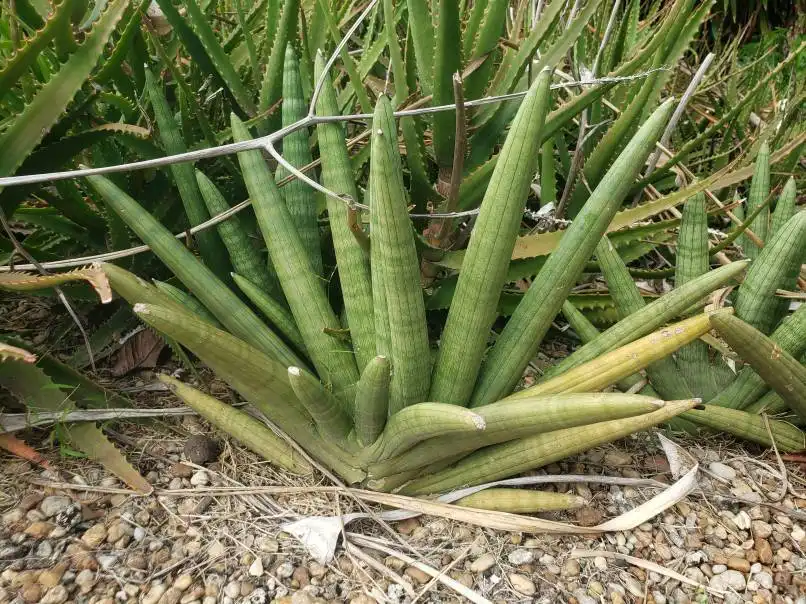
| Sansevieria cylindrica ‘Boncel’ | Full to part sun | Containers | No | Drought tolerant, also Dracaena angolensis |
| Salvia caymanensis | Full sun to light shade | Beds, borders | No | Sky-blue flowers, aromatic foliage |
| Centratherum punctatum | Full sun | Groundcover, borders | No | Butterfly magnet, reseeds freely |
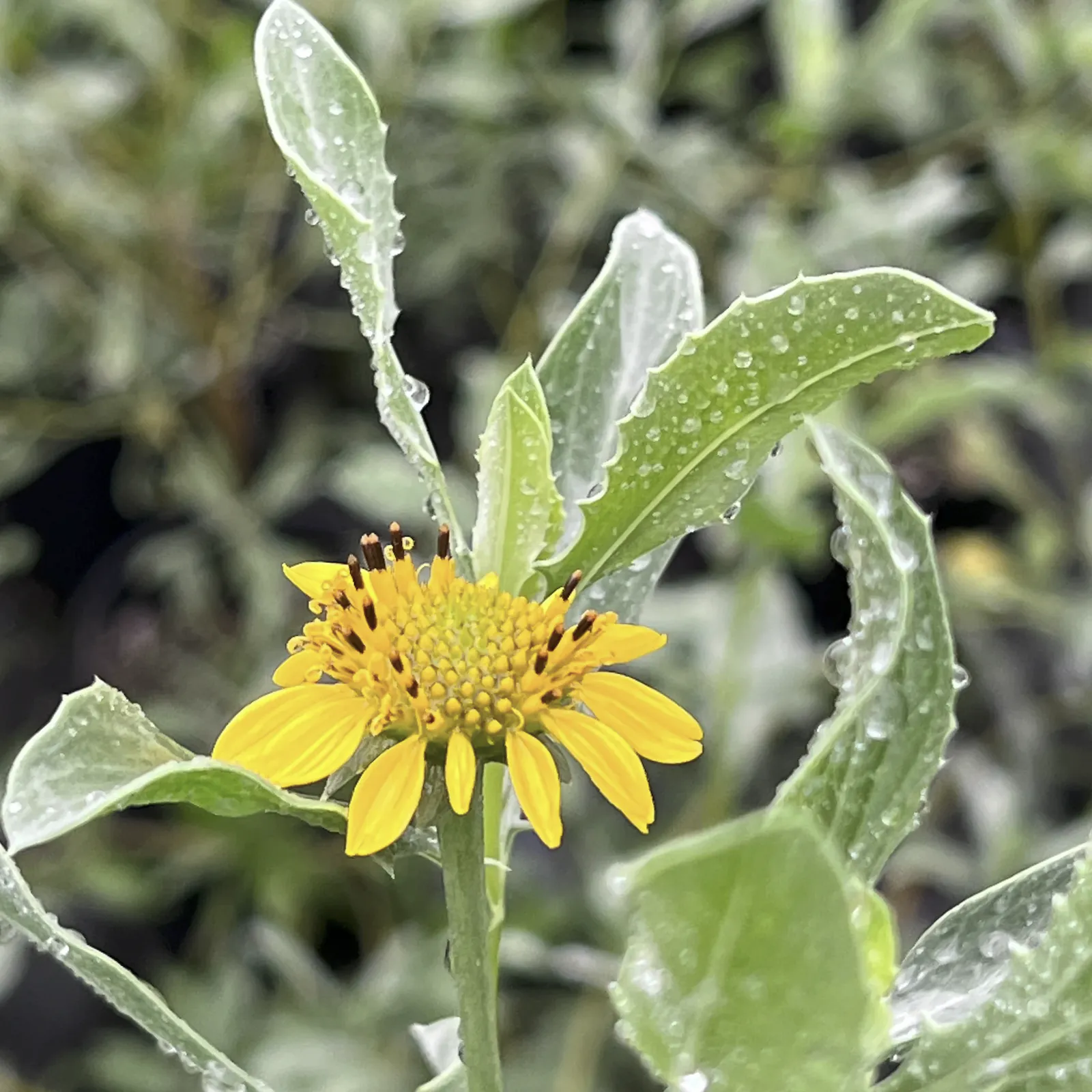
| Borrichia frutescens | Full sun to light shade | Coastal beds | Yes | Tolerates brackish water and salt spray |
| Adiantum tenerum | Partial to full shade | Shaded beds | Yes | Needs humidity and good drainage |
| Plectranthus ‘Inky Fingers’ | Full to partial shade | Containers, beds | No | Grown for foliage color |
| Begonia ‘Passing Storm’ | Shade to partial shade | Containers | No | Color intensifies with more light |
| Adiantum capillus-veneris | Filtered light | Shaded containers | Yes | Even moisture, high humidity |
| Aglaonema sp. | Bright indirect | Shaded groundcover | No | Evergreen, low upkeep |
| Alocasia ‘New Guinea Gold’ | Bright indirect | Containers | No | Protect from wind, leaves tear |
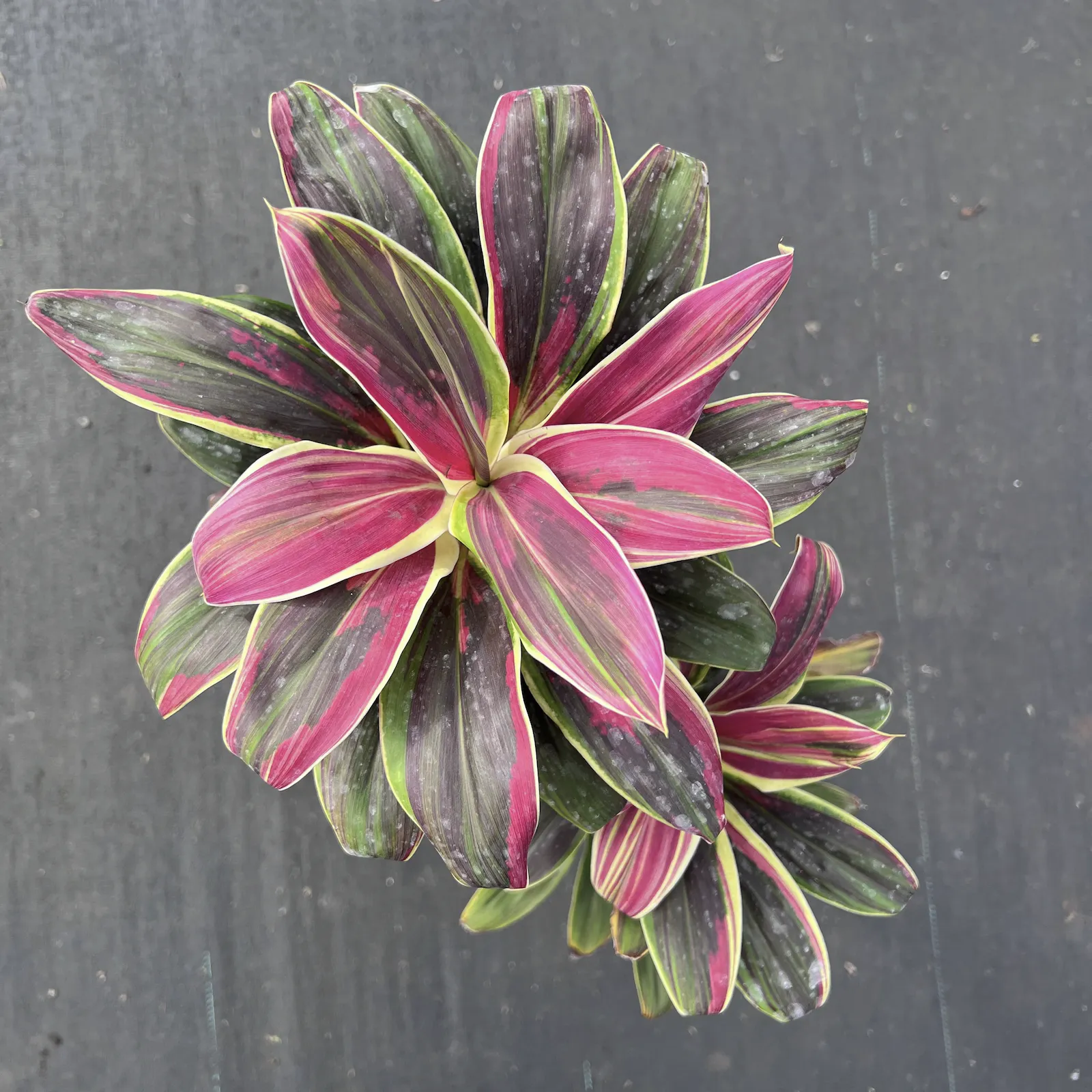
| Cordyline fruticosa ‘Cameroon’ | Bright shade to partial sun | Containers | No | 3–6 ft, 1.5-gal pot |
| Euphorbia elliotii | Full to partial sun | Containers | No | Upright to 5 ft, 3-gal pot |
| Gmelina philippensis | Full to partial sun | Containers, small tree | No | To ~15 ft, yellow flowers |
| Ficus sagittata | Full sun to partial shade | Hanging, groundcover | No | Trails or climbs |
| Passiflora suberosa | Full sun to light shade | Hanging, climbing | Yes | Butterfly host plant |
| Tournefortia hirsutissima | Full sun to light shade | Vine, trellis | Yes | Flowers year-round, nectar source |
| Bletia purpurea | Full sun to partial shade | Beds | Yes | Terrestrial orchid, blooms Dec–Mar |
| Coccothrinax argentata | Full sun | In-ground specimen | Yes | Threatened; nursery-propagated stock |
| Dracaena reflexa | Bright indirect | Containers, beds | No | Likes humidity |
| Hibiscus grandidieri var. greveanus | Partial to full sun | Beds, containers | No | 4–6 ft, red hanging flowers |
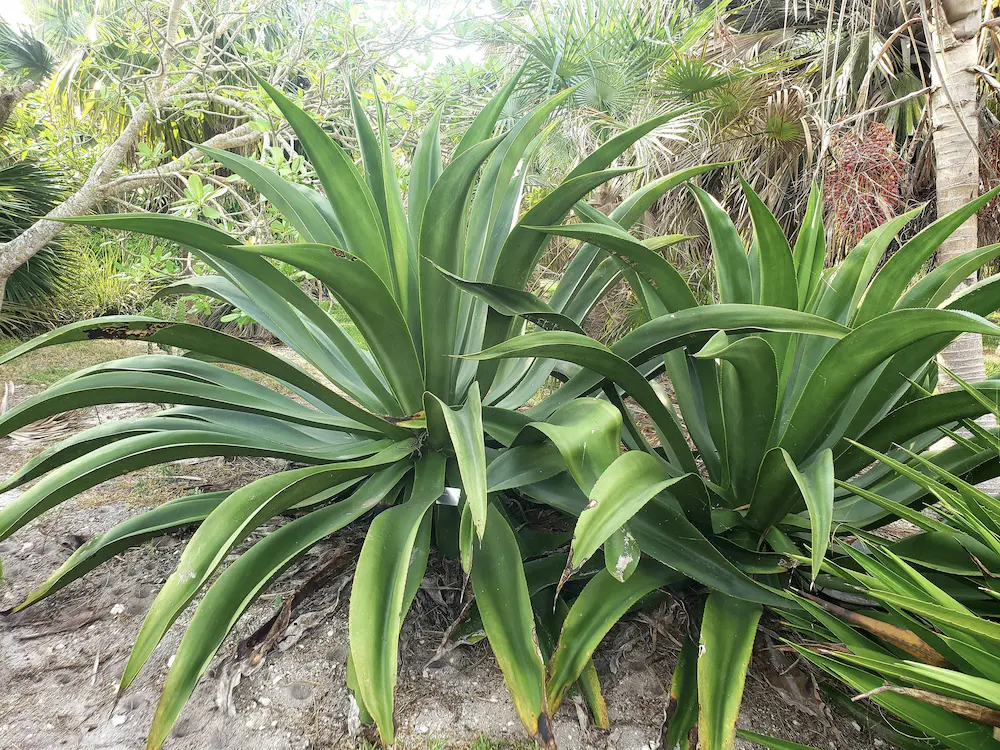
| Agave sp. | Full sun | In-ground specimen | No | Sharp leaves, handle with care |
Best low maintenance outdoor plants
For busy gardeners looking for the best low-maintenance outdoor plants, choose varieties that can thrive in the part of your garden where they’ll be planted with minimal intervention.
Hardy perennials and evergreen plants are resilient and provide year-round interest. Drought-tolerant plants require less replanting, pruning, and watering.
Always choose plants that are well suited to your light conditions and soil type for the least amount of upkeep.
Examples of the best outdoor low maintenance plants:
1- Gaussia attenuata (Palma de lluvia): Slow-growing and resistant, graceful palm. It can grow up to 20 meters tall, giving your garden an edge and focal point.
2- Haworthia fasciata (Zebra Plant): Small succulent, drought tolerant that can thrive in full or part sun spaces. It is suitable to grow on soil or in containers.
3- Sansevieria cylindrica ‘Boncel’: Drought tolerant succulent that grows well in full or part sun. It requires good drainage and it is container-friendly.
Best outdoor plants for full sun
The term “full sun” describes plants that require at least 6–8 hours of direct, unfiltered sunlight each day. The best outdoor plants for full sun thrive in bright, warm conditions and produce vibrant, colorful blooms.
Heat-resistant, low-maintenance outdoor full-sun plants are generally drought-tolerant perennials and succulents. Many varieties provide an evergreen look and colorful blooms with minimal care once they are well established in well-drained soil.
For sunny coastal yards, choose plants that are adapted to salty air, high winds, and sandy, well-drained soil. Varieties with thick, waxy, or hairy foliage tend to perform best in these environments.
Best full sun outdoor plants
1- Salvia caymanensis (Cayman Sage): Produces delicate, sky-blue flowers and fragrant gray-green leaves. It grows best in full sun to light shade.
2-Centratherum punctatum (Brazilian Buttonflower): A low, spreading perennial with fluffy purple flowers that appear nearly year-round in South Florida. It thrives in full sun with well-drained soil, tolerates drought once established, and draws butterflies and bees. It reseeds freely, so deadheads spend flowers if you want to keep it contained.
3- Borrichia frutescens: Suitable for full sun to light shade. Prefers wet to moist, well-drained soil and tolerates brackish water and periodic saltwater exposure.
Best outdoor plants for shade
Shade-loving plants are adapted to grow well with limited direct sun, usually in areas that receive fewer than six hours per day, and often far less.
Deep shade: under tree canopy and north-facing walls
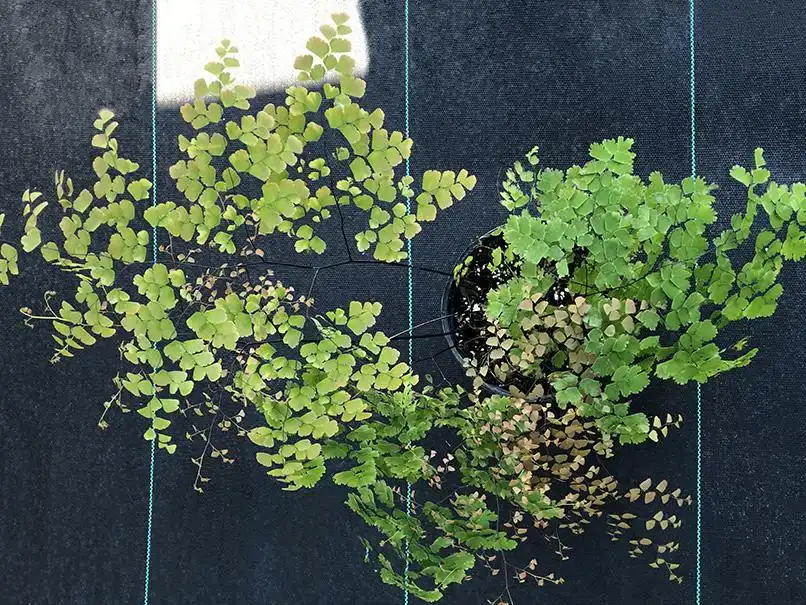
These plants are well suited for spots beneath tree canopies, on the north-facing side of buildings, or in courtyards where strong sun exposure is minimal.
In shaded settings, the “shade strategy” focuses on blending a variety of leaf shapes, textures, and plant heights to create depth and visual balance in the garden. This layered approach prevents shaded spaces from looking flat or dull and adds interest where flowering plants may be limited.
Shaded areas of the garden tend to hold moisture longer than sunny locations, making proper drainage especially important for plant health. Plants suited to these conditions typically prefer humus-rich soil that remains consistently moist while still draining well.
Best outdoor shade plants:
1- Adiantum tenerum (Brittle Maidenhair Fern): This Florida native prefers partial to full shade, well-draining soil and humidity.
2- Plectranthus scutellarioides ‘Inky Fingers’: A compact, eye-catching coleus with unique duck-foot–shaped leaves in electric lime green and deep purple. Grows year-round in full to partial shade with good drainage.
3- Begonia ‘Passing Storm’: Its color varies with light exposure, the more light it receives, the stronger the pink tones. It prefers shade to partial shade and well-draining soil.
Visit Fairchild to explore the best outdoor plants for shade and partial shade available in Florida.
Filtered and low light: patios, courtyards, and covered areas
Low light is not the same as deep shade. These are spots that get bright but filtered light for most of the day: covered patios, north-facing entryways, and courtyards where sun reaches the walls but never the plants directly.
Many prefer moist soil, though some can tolerate dry shade, adding color and texture to darker corners, areas with filtered light, or north-facing patios.
Great outdoor plants for low-light areas that perform well with steady moisture and humidity include many types of shade-loving ferns, such as maidenhair ferns.
Best plants for low sunlight outdoor:
1- Adiantum capillus-veneris: Like A. tenerum, this maidenhair fern is native to Florida. It grows best in bright, filtered light with evenly moist soil and high humidity.
2- Aglaonema sp. (Silver with green speckles): An easy-care, evergreen perennial. It grows best in bright, indirect light, thrives in humid environments with consistently moist soil, and benefits from regular misting of the leaves. In South Florida landscapes it also works as a low, evergreen groundcover in shaded beds, not only in containers.
3- Alocasia ‘New Guinea Gold’: It is fast growing and performs best in bright, indirect light. Good drainage and regular watering are important, along with fairly heavy fertilization. Outdoors, give it a spot with wind protection: the large leaves tear easily in storms and exposed corridors.
Some of these plants also perform well indoors. See our guide to indoor outdoor plants for Florida homes and gardens.
Best outdoor plants for pots
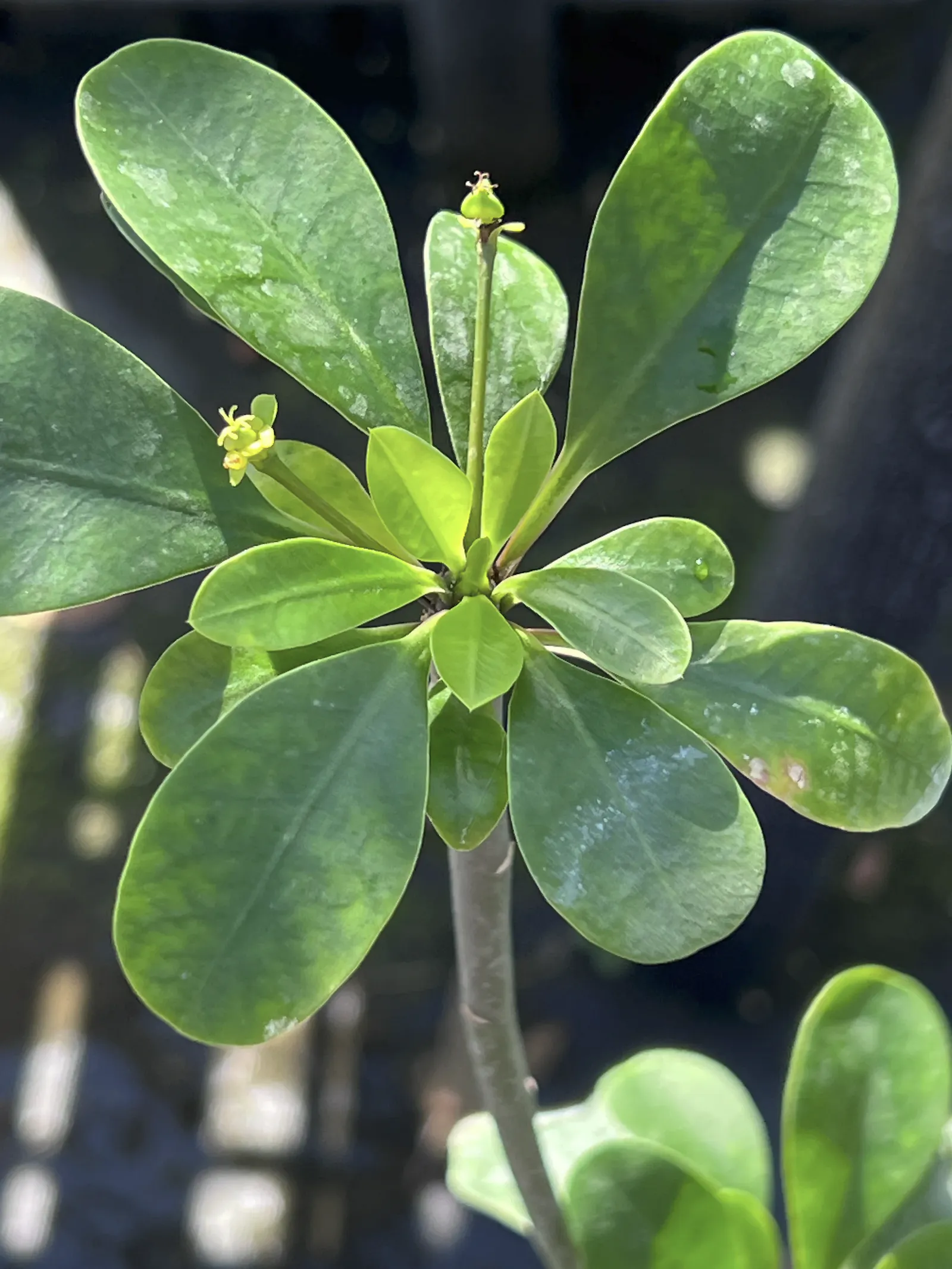
The best plants for outdoor pots include a mix of sun-loving varieties, shade-tolerant options, and plants that perform well year-round.
Always select plants based on your pot’s placement (sun or shade), available space, and desired features, such as flowers, foliage, or height, to create a dynamic display using thrillers (upright plants), fillers (mounding plants), and spillers (trailing plants).
Container rules that keep plants thriving
- Light: Select plants that match the light conditions available in your space.
- Size: Choose a container that is proportionate to the plant’s expected mature size.
- Drainage: Always use pots with drainage holes to allow excess water to escape, and pair them with well-draining soil.
- Potting Mix: Opt for a mix that provides good aeration while supporting proper drainage and moisture retention.
- Watering: Water needs vary by plant type. Container plants dry out faster than those planted in the ground, so check moisture regularly and water in the morning to reduce evaporation.
- Pruning: Proper pruning, depending on the plant variety, can encourage healthy growth and rejuvenate the plant.
- Pest Control: Well-maintained, healthy plants are less likely to develop pest problems.
Best plants to grow in pots
1-Cordyline fruticosa ‘Cameroon’ (Ti Plant ‘Cameroon’): Features striking bright green foliage accented with rich brown and purple tones. Prefers bright shade to partial sun and well-draining soil. Reaches 3–6.5 feet in height and can be grown in a 1.5-gallon pot.
2-Euphorbia elliotii: A small shrub that grows up to 5 feet tall, featuring an upright habit and small clusters of yellow flowers. Easy to grow in a 3-gallon pot and drought tolerant. Prefers full to partial sun and well-draining soil.
3-Gmelina philippensis (Parrot’s Beak): Tropical shrub or small tree that can reach a height of about 15 feet. It has ivy-like leaves and yellow flowers. Prefers full to partial sun, and a well-draining soil. Use a 3 gallon pot.
Succulents deserve a section of their own: they are the easiest group to grow in containers and the hardest to overwater. Our guide to outdoor succulent plants covers varieties, potting mix, and drainage in more detail.
Hanging plants for balconies, patios, and railings
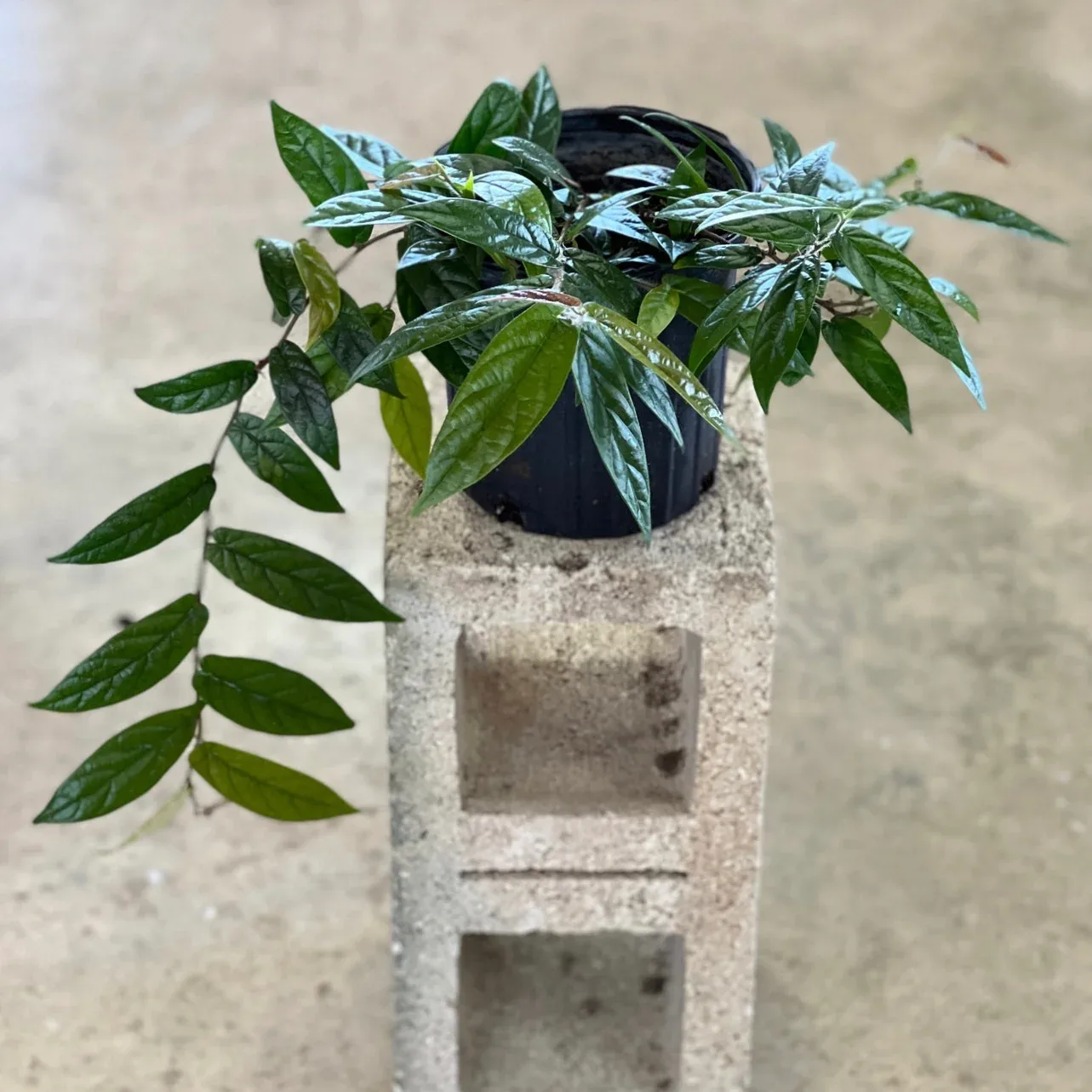
The best outdoor hanging plants feature trailing growth, vibrant, long-lasting blooms, and the ability to adapt to either sun or shade.
Popular sun-loving choices include portulaca, purple queen, and dipladenia, while begonias, ferns, bromeliads, and peperomia perform well in shadier locations. All of these plants thrive in moisture-retentive soil and baskets that provide enough room for healthy growth.
The key to success is matching plants to your light conditions and understanding their watering needs. Healthy hanging plants appear full and vigorous, gracefully spilling over the edges of their containers.
Hanging outdoor plants can serve different purposes depending on available space, design goals, and plant selection:
- Hanging Baskets: Ideal for creating focal points, adding vertical interest in open areas, and showcasing cascading plants.
- Wall Planters: Best for maximizing vertical space, creating living walls, and planting in narrow or confined areas.
- Railing Planters: Perfect for balconies, decks, and fenced areas with railings, helping maximize linear growing space.
Examples of outdoor hanging plants:
1- Ficus sagittata (Trailing Ficus): A sturdy, evergreen plant with trailing and climbing growth. It can be grown as ground cover, to climb trees, rocks, or limestone walls, or planted in a hanging basket. It prefers full sun to partial shade and moderate watering in well-drained soil.
2- Passiflora suberosa (Corkystem Passionflower): A Florida native vine that can grow as a ground cover or be guided to climb low structures or trees. It thrives in full sun to light shade.
Florida native plants for outdoor gardens
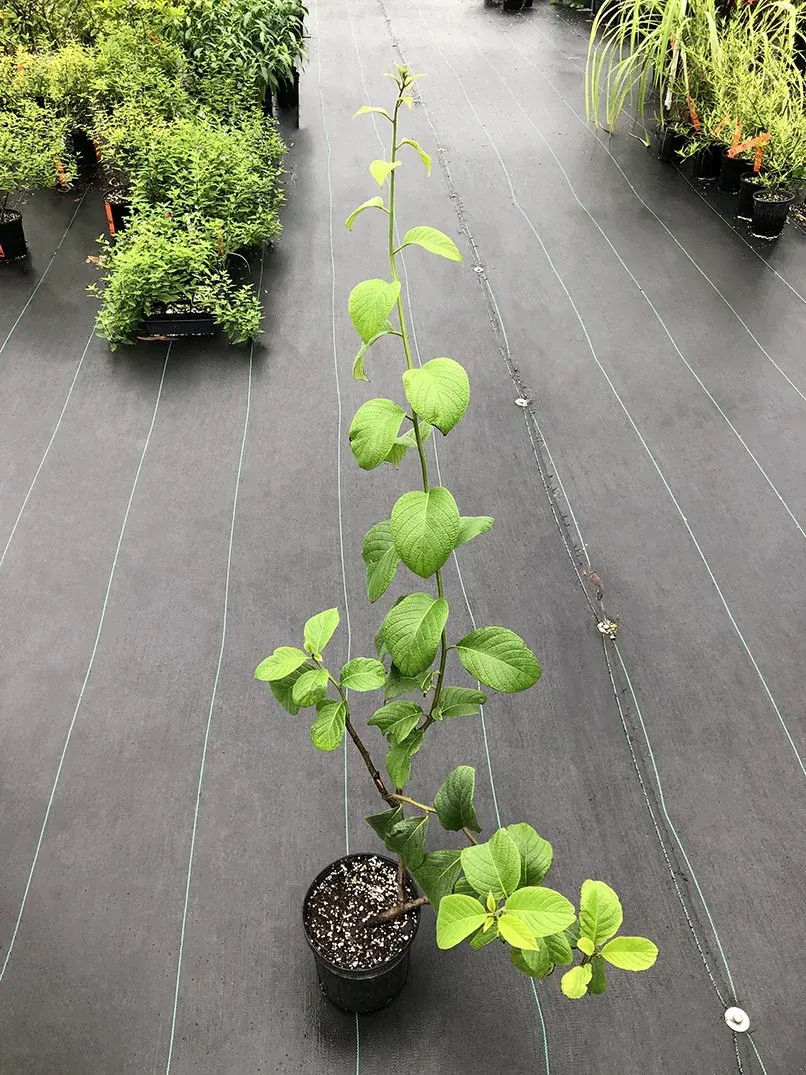
Plants in Florida must withstand intense sun, high heat and humidity, coastal salt, storms and strong winds, as well as pests.
Florida native plants naturally thrive in these local conditions, making them resilient and
low-maintenance once established.
Key characteristics of outdoor plants for Florida sun:
- Drought Tolerance: They thrive in poor, sandy soils with only natural rainfall, without the need for chemical fertilizers.
- Low Maintenance: Once established, they are naturally suited to Florida’s harsh conditions.
- Wildlife Support: They provide essential food and shelter for native birds, pollinators, and other insects.
- Ecological Harmony: They integrate into Florida’s diverse ecosystems, such as dunes, wetlands, and pine flatwoods, helping maintain local biodiversity. Fairchild’s plant collections are built around species that perform in these conditions. Browse our outdoor plant collections to see what is available now.
- Aesthetic Variety: From tough sea oats to fragrant magnolias, they offer vibrant colors, unique textures, and interesting forms, naturally enhancing landscapes.
- Water Conservation: Their adaptation to local rainfall reduces the need for supplemental irrigation, conserving water.
Best Florida outdoor plants:
1- Tournefortia hirsutissima (Chiggery Grapes): A native vine that produces small white flowers throughout the year. It provides nectar for butterflies and grows in full sun to light shade.
2- Bletia purpurea (Pine Pink Orchid): A terrestrial (ground) orchid with striking purple to pinkish-purple flowers. Blooming typically occurs from December to March. Prefers full sun to partial shade and well-draining soil.
3- Coccothrinax argentata (Silver Thatch Palm): This Florida native and threatened species is very slow-growing. Clusters of tiny white flowers attract numerous pollinators. Plant in full sun.
Many of these species grow in Fairchild’s collections. Plan your visit to see them established in the landscape before choosing for your own garden.
Where to start if you are new to gardening in Florida
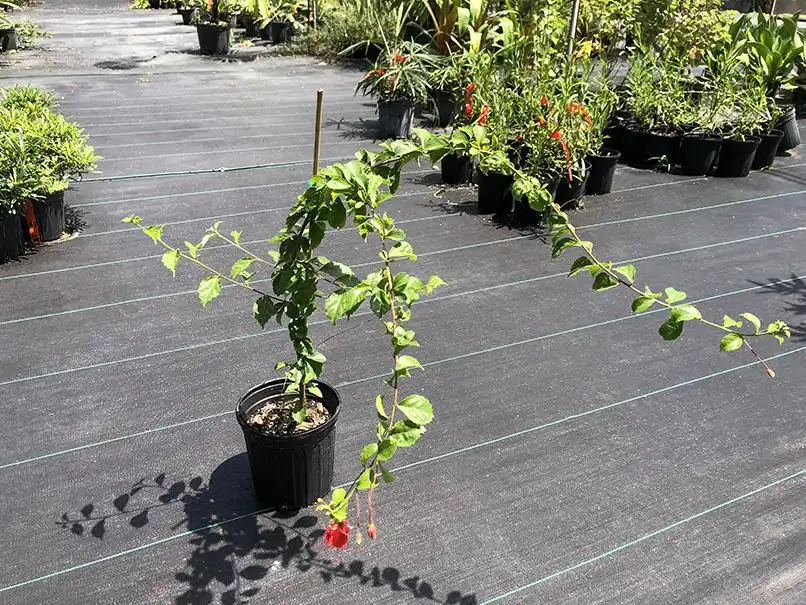
The best plants for beginner outdoor gardeners are those that are low-maintenance.
Plants like rosemary, coontie, bromeliads, and muhly grass handle heat and dry spells well, and together they cover a range of light conditions, from full sun to shade. Start by observing the sunlight in your yard, then choose plants that match, focusing on easy-to-grow varieties for the best chance of success.
Growing plants in pots may require a bit more watering and care, but it gives you greater flexibility if you want to move them around.
Start experimenting with different types of plants:
- Structural Plants: These often have bold shapes or evergreen foliage. Yucca, for example, adds a tropical touch with its sword-shaped leaves. Most varieties are hardy and drought-tolerant once established.
- Flowering Plants: Species like Pentas lanceolata are cheerful and bloom nearly year-round in South Florida. They are tough, thrive in full sun, and pull in butterflies and hummingbirds.
- Trailing Plants: Ideal for adding cascading foliage or flowers, Portulaca is perfect for hanging baskets and hot, exposed spots, offering a long blooming period and a wide range of colors.
Best outdoor plants for beginners you can find at Fairchild:
1-Dracaena reflexa (Song of Jamaica): This plant prefers bright, indirect light and slightly drier soil. It thrives in humid conditions, making it a great addition to South Florida landscapes. When grown indoors, mist regularly to maintain humidity.
2-Hibiscus (Madagascar Hibiscus): An uncommon hibiscus with delicate red, downward-hanging flowers. It prefers partial to full sun and can reach 4–6 feet in height.
3- Agave: A large, striking dark green plant native to the Caribbean. It thrives in full sun with well-draining soil and typically grows as a solitary specimen. Its leaves are sharp, so handle with care.
New to gardening in South Florida? Our gardening how-tos cover watering, soil, pruning, and pests in more detail.
FAQs
To choose the best outdoor plant, match the plant’s requirements to your garden’s specific conditions, including sunlight, climate zone, and soil type. There is no single “best” plant for every location.
Durable plants are those that can withstand a region’s primary environmental stressors, such as heat, drought, wind, salt, and excessive shade.
When planted in conditions that meet their specific needs, plants thrive with minimal care while providing long-lasting beauty and ecological benefits. Understanding the local climate and soil type is key to selecting the most suitable durable species.
Top low-maintenance outdoor plants for Florida include tough perennials like pentas, blanketflower, and beach sunflower; reliable shrubs such as firebush, cocoplum, and wild coffee; drought-tolerant herbs like rosemary and thyme; and easy bulbs like rain lilies and crinum. Choose plants suited to your light and moisture conditions for a low-effort garden.
In South Florida, year-round interest comes from combining evergreen structure plants with species that bloom in different months, so something is always in flower. Consider bloom timing rather than seasons: Bletia purpurea flowers December through March, while Tournefortia hirsutissima flowers year-round.
Final Thoughts
Overall, choosing the best outdoor plant for your garden or yard starts with understanding the space itself.
The conditions of your outdoor area, such as sunlight, shade, and drainage, will help narrow your options, allowing you to confidently select plants that suit both the environment and your preferences.
Before planting, observe which areas receive full sun and which remain shaded throughout the day.