
Indoor Outdoor Plants for Florida Homes and Gardens
“Indoor–outdoor plants” is a broad, non-scientific term used to describe plants that are adaptable enough to grow successfully in both indoor and outdoor environments.
Their flexibility allows them to transition between spaces with differing growing conditions. These resilient plants can adjust to changes in light, humidity, and temperature, enabling them to tolerate:
- Indoor environments: limited natural light and drier air, often influenced by heating or air conditioning.
- Outdoor environments: fluctuating temperatures and varying levels of sun exposure.
Examples include container-grown plants that spend the warmer months on a patio or balcony and are later brought indoors during brief cold spells.
Drawing on decades of horticultural expertise, at Fairchild Tropical Botanic Garden we offer a diverse selection of plants well suited for both indoor and outdoor use in Florida’s climate. With thoughtful acclimation, these plants can be seamlessly integrated into home and garden spaces, supporting healthy growth throughout the year.
In This Article
- Understanding Florida’s Climate
- The Difference Between Indoor and Outdoor Environments
- 15 Best Indoor Outdoor Plants (By Category)
- Transitioning Plants Between Indoor and Outdoor Environments
- Indoor–Outdoor Plant Care Essentials
- FAQs
Understanding Florida’s Climate
Florida’s climate is characterized by warm, sunny conditions that vary across the state.
Northern Florida experiences a humid subtropical climate with mild winters and hot summers, while southern Florida is predominantly tropical, remaining warm throughout the year.
Seasonal patterns include a wetter summer period and a drier winter season, along with consistently high humidity that influences plant growth and care.
The Difference Between Indoor and Outdoor Environments
Indoor environments provide more stable and controlled growing conditions than outdoor settings.
One of the most significant differences is light intensity: what is considered “bright” or “high light” indoors often equates to shaded conditions outdoors. As a result, plants moved outside too quickly may experience sunburn from sudden exposure to stronger sunlight.
Additional factors such as temperature consistency, air circulation, soil composition, and overall stress levels also influence plant performance. Indoor plants generally thrive in predictable, protected environments, while outdoor plants adapt to natural variations that can encourage sturdier, more vigorous growth.
Container-grown plants rely entirely on attentive care for their water needs. Because their roots are confined to a limited volume of soil, moisture is used more quickly and cannot be replenished from surrounding ground. As a result, potted plants tend to dry out faster, making regular monitoring and timely watering essential to maintaining plant health.
| Plant | Light | Container | Indoor–outdoor tier | Notes |
| Philodendron pedatum (Oak Leaf Philodendron) | Partial to filtered shade | 3 gal | Indoors year-round | Climbing aroid, South American native |
| Philodendron lacerum (Deep Lobe Form) | Shade to partial sun | 3 gal | Indoors year-round | Leaves 1–2 ft; climbs trees or walls |
| Philodendron ‘Bob Cee’ | Bright, indirect | 3 gal | Indoors year-round | Stays compact indoors, climbs outdoors |
| Philodendron hastatum ‘Narrow Leaf’ (Silver Sword) | Shade to partial shade | 1 gal | Indoors year-round | Silvery vining foliage |
| Philodendron hederaceum (Heartleaf Philodendron) | Bright indirect to low light | 1 gal | Indoors year-round | Most forgiving aroid on this list |
| Euphorbia punicea (Jamaican Poinsettia) | Full sun | 1.5 gal | Outdoors primary | Indoors only during cold snaps, brightest window |
| Gustavia augusta (Membrillo) | Morning sun | 3 gal | Seasonal transition | Keep soil moist; east-facing window indoors |
| Talipariti tiliaceum var. populneus (Beach Hibiscus) | Full sun | 3 gal | Outdoors primary | Salt tolerant; reaches 30 ft in ground |
| Acropogon bullatus (Acropogon) | Full to partial sun | 1.5 gal | Outdoors primary | Upright to 15–20 ft before branching |
| Juanulloa mexicana (Gold Finger Plant) | Full sun to filtered light | 3 gal | Seasonal transition | Attracts hummingbirds when grown outdoors |
| Weberocereus imitans (Fishbone Cactus) | Partial shade | 1 gal | Indoors year-round | Spineless cactus, zigzag stems |
| Drimiopsis botryoides (Giant Squill) | Sun to partial shade | 1 gal | Seasonal transition | Drought tolerant; groundcover in South Florida |
| Coccothrinax inaguensis (Inagua Thatch Palm) | Full sun | 4 gal | Outdoors primary | Needs sharp drainage; short indoor stints only |
| Sansevieria trifasciata ‘Bantel’s Sensation’ (Snake Plant) | Full sun to moderate light | 1 gal | Indoors year-round | Widest tolerance on this list; variegation fades in low light |
| Gaussia princeps (Sierra Palm) | Bright, indirect | 4 gal | Seasonal transition | Low maintenance indoors |
15 Best Indoor Outdoor Plants (By Category)
Not every plant on this list works the same way. Some live indoors year-round and simply enjoy a summer outside. Others are outdoor plants that can shelter inside during a cold snap. Each entry below notes which category it falls into.
Aroids and Houseplants That Transition Well Outdoors
Many tropical plants that thrive indoors also enjoy time outdoors during the warmer months. However, direct sunlight can easily scorch their leaves.
Gradually acclimating plants to brighter conditions, beginning in lightly shaded areas, helps them adjust successfully to outdoor light and temperature changes.
Several tropical species naturally flourish in shady outdoor locations, including Snake Plant, Pothos, Monstera, and Ficus. These plants typically grow as understory species in tropical forests, tolerating low light while performing best in bright, indirect sunlight.
At Fairchild Tropical Botanic Garden, a variety of indoor/outdoor plants are available for both home and garden settings, including:
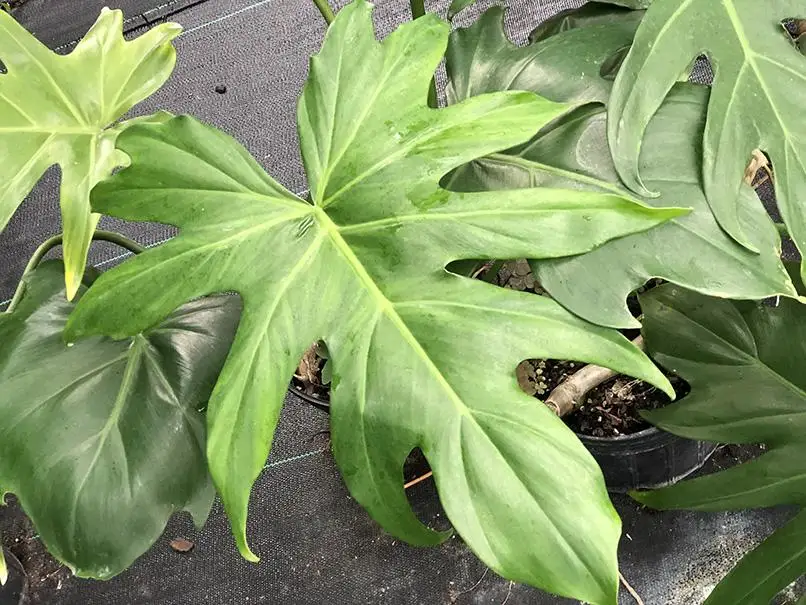
1- Philodendron pedatum (Oak Leaf Philodendron): A climbing aroid with multi-lobed, oak-shaped leaves. Native to South America, it grows well as a houseplant in a 3-gallon pot. Prefers partial or filtered shade and well-draining soil. Indoors year-round: happiest as a houseplant, with an optional summer in full shade outdoors.
2- Philodendron lacerum (Deep Lobe Form): A medium-sized climbing aroid with glossy, deeply lobed leaves 1–2 feet long. Thrives in shade to partial sun, and can climb a tree or wall, or remain a striking houseplant in a 3-gallon pot. Indoors year-round: can also climb a shaded wall or tree outdoors.
3- Philodendron ‘Bob Cee’: Can climb outdoors on trees or walls, or stay compact indoors. Prefers bright, indirect light, humid conditions, and well-draining soil. Indoors year-round: compact inside, a climber outdoors.
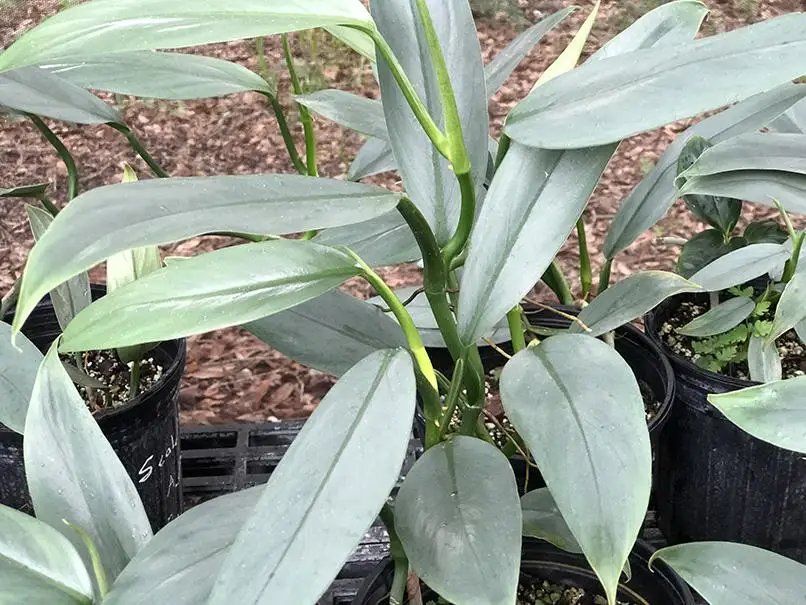
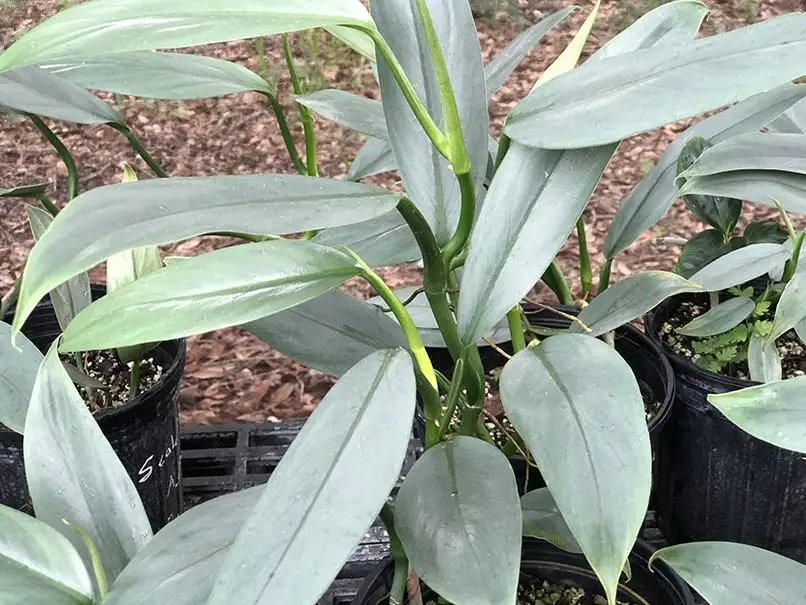
4– Philodendron hastatum ‘Narrow Leaf’ (Silver Sword Philodendron): A vining species with silvery leaves that makes an excellent houseplant in a 1-gallon pot. Grows best in shaded to partially shaded areas. Indoors year-round: keep it out of direct sun in either setting.
5- Philodendron hederaceum (Heartleaf Philodendron): A trailing aroid with glossy, heart-shaped leaves. One of the most forgiving houseplants available, tolerating everything from bright indirect light to low-light corners. Ideal for hanging baskets or shelves in a 1-gallon pot, and it can spend the warmer months in full shade outdoors. Indoors year-round: the easiest plant here to move back and forth.
Explore Fairchild’s unique range of outdoor/indoor plants.
Flowering Trees & Shrubs for Patios and Balconies
In South Florida, moving plants indoors is not about surviving winter. Miami-Dade sits in USDA zones 10b and 11, where most tropical plants stay outside year-round. The real reasons to move a container plant are narrower and more specific: a cold front dropping nighttime temperatures below 50°F (10°C), high winds ahead of a storm, or a stretch of intense sun during acclimation.
That changes what a patio plant needs. Rather than a season indoors, most of the plants below need a few nights of shelter, a few times a year. Tender flowering plants such as hibiscus, lantana, coleus, and begonias handle those short indoor stints well when given bright light and careful watering.
At Fairchild, we grow a variety of plants suited for both indoor and outdoor enjoyment:
6- Euphorbia punicea (Jamaican Poinsettia): An evergreen succulent shrub or small tree native to the Caribbean. It grows slowly with an upright habit. Grows in a 1.5-gallon pot with well-draining soil. Outdoors primary: it needs full sun and belongs on a patio or balcony. It can come inside for a few days during a cold snap, but it needs the brightest south-facing window in the house and will decline in low light over a full season.
7- Gustavia augusta (Membrillo): A small tree from Guyana and Amazonian Brazil. Thrives in a 3-gallon pot with moist soil, receiving morning sun. Seasonal transition: outdoors in morning sun, indoors by an east-facing window during cold spells.
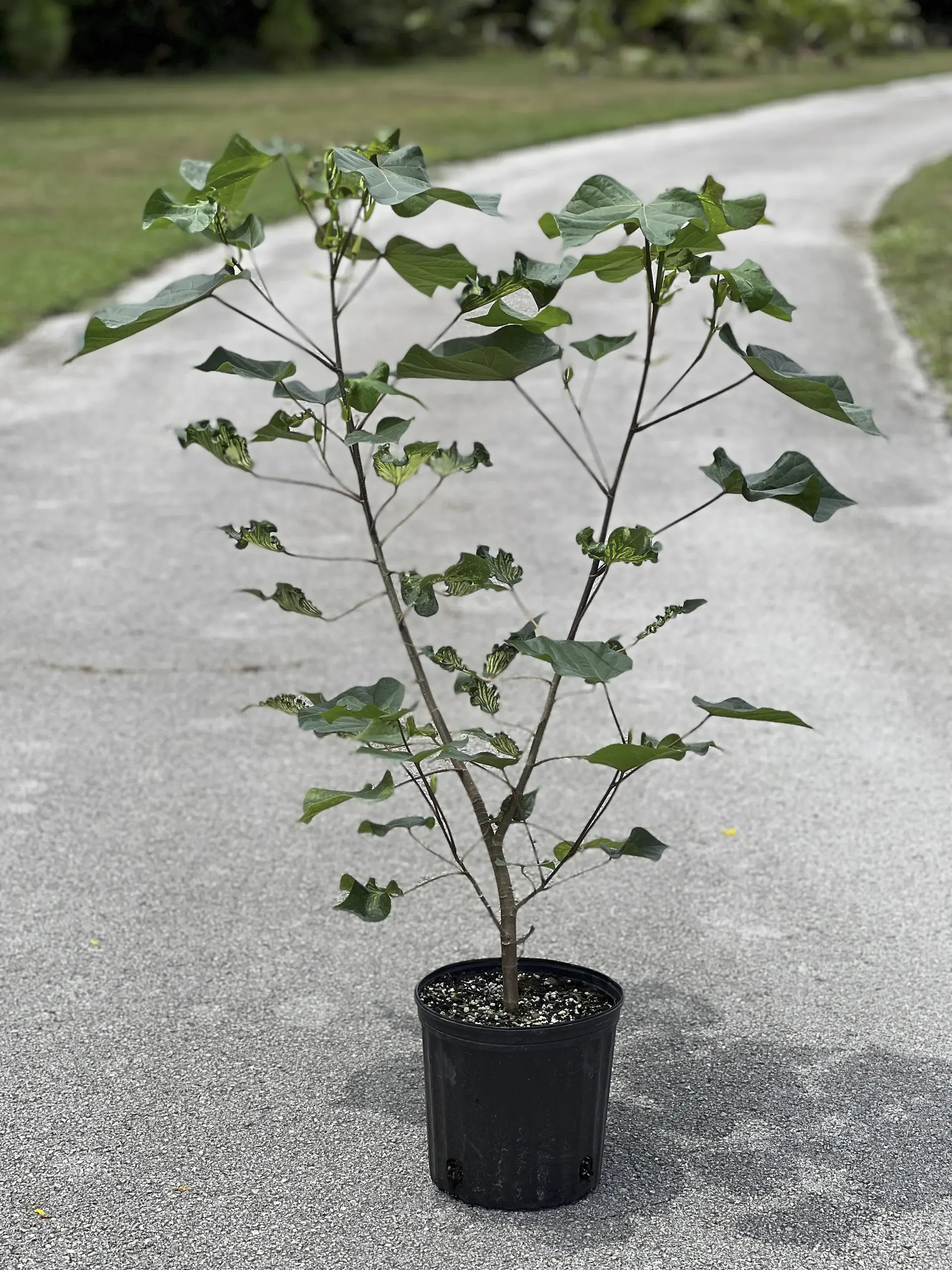
8- Talipariti tiliaceum var. populneus (Beach Hibiscus): An evergreen subtropical to tropical shrub or small tree that can reach 30 feet. Salt-tolerant and sun-loving, it grows in a 3-gallon container with well-drained soil. Outdoors primary: container culture keeps this coastal tree manageable, but it belongs outside in full sun. Young specimens can shelter indoors briefly during cold weather.
9- Acropogon bullatus (Acropogon): Native to New Caledonia and part of the hibiscus family, this narrow, upright tree grows 15–20 feet before branching. Prefers full to partial sun and well-draining soil in a 1.5-gallon pot. Outdoors primary: grow it on a sunny patio or in the ground. Bring it under cover only during cold events.
10- Juanulloa mexicana (Gold Finger Plant): A vining shrub from Central and South America that can reach 8–10 feet tall with a wide spread. Grows in a 3-gallon pot with well-draining soil, thrives in full sun to filtered light, and attracts hummingbirds. Seasonal transition: grow it outdoors for the flowers and the hummingbirds; bring it in only for cold nights.
Succulents and Palms for Indoor and Outdoor Growing
Both succulents and palms can thrive as indoor/outdoor plants, though each has distinct care requirements.
Succulents prefer sunny, dry conditions and can grow successfully indoors or outdoors when provided with ample light and minimal watering. Their adaptability and low maintenance make them ideal for container culture.
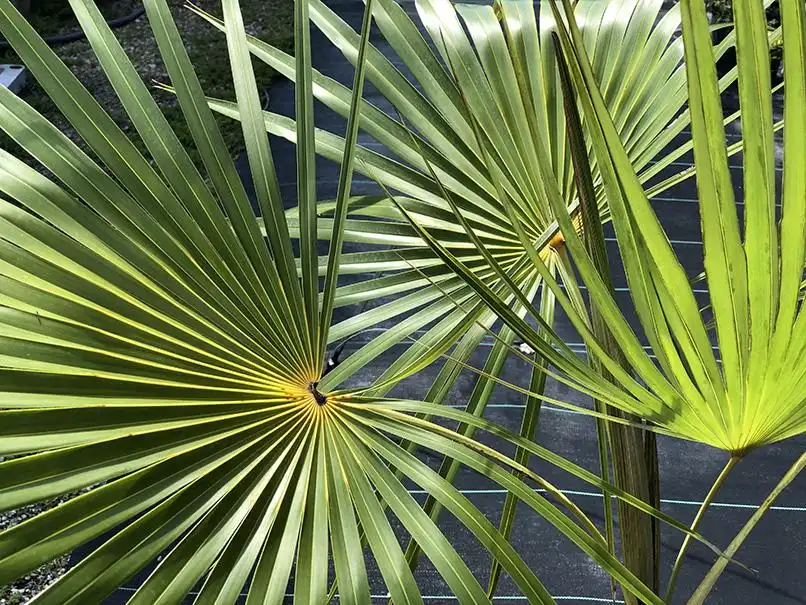
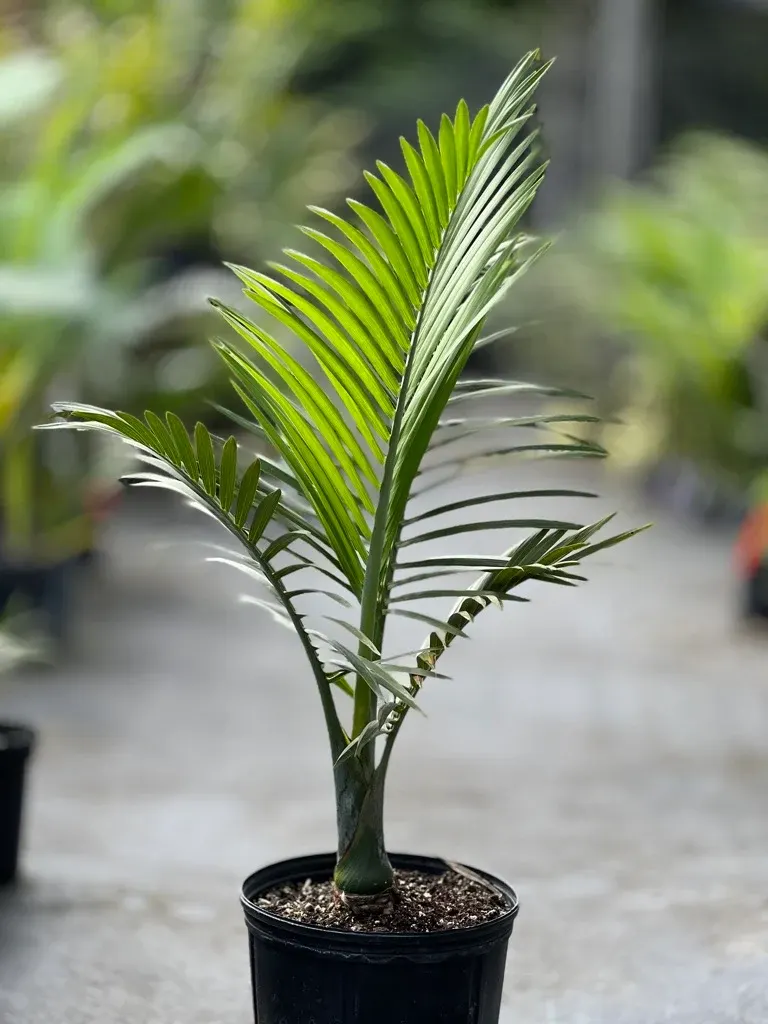
Palms, when grown in smaller containers, naturally limit their growth and mature size, keeping them manageable indoors. They perform best with bright, indirect light and evenly moist soil. Palms can also be placed outdoors, but they generally need time to acclimate to changes in sunlight and temperature.
Some noteworthy indoor/outdoor succulents and palms include:
11- Weberocereus imitans (Fishbone Cactus): A rare, spineless cactus from Central America with stems forming a distinctive fishbone pattern. Grows best in partial shade with well-draining soil. Ideal as a houseplant in a 1-gallon pot. Indoors year-round: an epiphytic cactus that prefers shade, not desert sun.
12- Drimiopsis botryoides (Giant Squill): Native to tropical Africa, this drought-tolerant plant prefers well-draining soil and sun to partial shade. It functions well as ground cover in South Florida or as a container plant in a 1-gallon pot. Seasonal transition: works as groundcover outdoors or in a container indoors.
13- Coccothrinax inaguensis (Inagua Thatch Palm): A Caribbean native that thrives in full sun with sharp drainage, grown in a 4-gallon pot. Outdoors primary: best kept outside year-round in South Florida. Indoors it works as a short-term accent in the brightest room available; expect slower growth and rotate it back outside when you can.
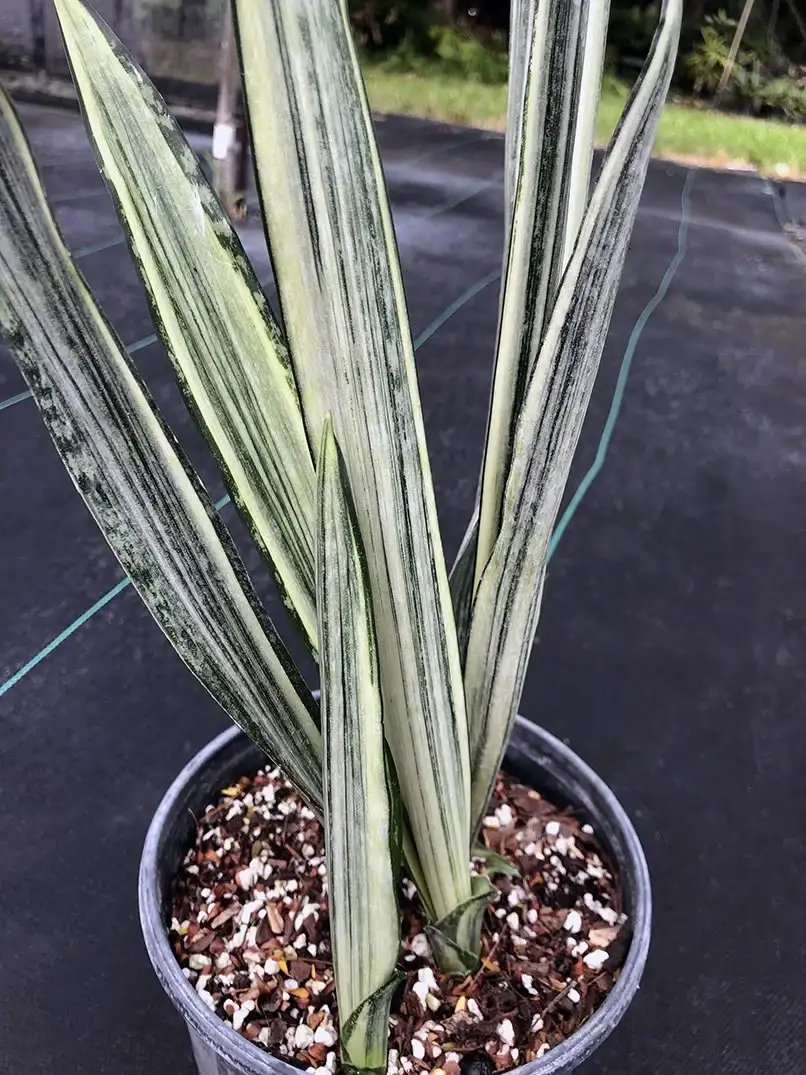
14- Sansevieria trifasciata ‘Bantel’s Sensation’ (Snake Plant): Also known as Dracaena trifasciata, this is the most adaptable plant on the list. Narrow upright leaves with creamy white vertical stripes. It tolerates full sun outdoors and moderate light indoors, needs minimal watering, and moves between the two with almost no acclimation period. Grows well in a 1-gallon pot. Indoors year-round: the most flexible plant on this list in either direction.
15- Gaussia princeps (Sierra Palm): A resilient tropical palm, tolerant of light frost and drought. Low-maintenance indoors and well-suited to a 4-gallon pot. Seasonal transition: tolerates more cold than most tropicals, so it can stay out longer.
These versatile plants can enhance both indoor and outdoor spaces, offering beauty and interest year-round with careful acclimation and attention to their specific needs.
Transitioning Plants Between Indoor and Outdoor Environments
Moving Outdoors (Hardening Off)
Hardening off is the gradual process of introducing an indoor-grown plant to outdoor conditions. In South Florida it matters less because of the calendar and more because of light: a plant that has spent months in a living room will scorch if it goes straight onto a sunny patio, regardless of the month.
By slowly exposing plants to natural elements such as sunlight, wind, and rain, they are given time to adjust to the environment they will experience throughout the growing season. This essential step helps minimize transplant shock and supports strong, healthy growth.
During hot, dry summers, container-grown plants may require an increased watering frequency to remain healthy. Avoid allowing plants to become water-stressed before providing moisture.
When moved outdoors, expect to water two to three times more frequently than indoors, due to higher temperatures, increased sunlight, and drying winds that accelerate evaporation.
Moving Indoors (Cold Snaps)
While indoor plants spend time outdoors, they may be exposed to common Florida pests such as aphids, whiteflies, mealybugs, and spider mites. Before bringing plants back inside, carefully inspect them to help prevent pests from entering your home and spreading to other houseplants.
Rinse plants thoroughly with a gentle spray of water, paying close attention to stems and the undersides of leaves, and use an insecticidal soap when needed.
To reduce light shock during the transition indoors, place plants near a bright window where they can receive light levels similar to those experienced outdoors. Some leaf drop is normal during this adjustment period, but returning plants indoors gradually will support successful acclimation and long-term health.
Indoor–Outdoor Plant Care Essentials
The practices below apply to any plant that moves between a patio and an interior space, whatever the reason for the move.
Use a light, well-draining potting mix designed for container plants rather than heavy garden soil, which can compact and restrict drainage.
Proper drainage is critical to preventing root rot, so be sure all containers have drainage holes and place saucers beneath pots to protect indoor surfaces.
Growth slows during South Florida’s dry season, when days are shorter and nights are cooler. Reduce or pause fertilization during that stretch and water less frequently, since a plant that is not actively growing takes up far less of either.
FAQs
A wide range of varieties is available, allowing gardeners to select plants that best suit their individual preferences and growing conditions.
For use as both indoor and outdoor plants, resilient evergreen perennials that adapt well to changing environments are excellent choices.
Low-maintenance options such as Dracaena trifasciata (snake plant) and Plectranthus scutellarioides (coleus) perform reliably across varying light levels and temperatures, making them well suited for seasonal transitions between indoor and outdoor spaces.
Tender plants should be moved indoors when nighttime temperatures consistently fall below 50°F (10°C). According to UF/IFAS Extension, tropical plants and summer annuals suffer chilling injury below this threshold, and cold damage to the roots of container-grown plants is common even when the foliage looks unaffected.
Spider plants can be grown indoors and transitioned outdoors during the warmer months. To avoid stress, it is important to acclimate plants gradually to outdoor conditions. Begin by placing the plant in a shaded location for a few hours each day, then slowly increase light exposure over one to two weeks. This gradual adjustment helps the plant adapt to brighter sunlight and natural temperature fluctuations while maintaining overall health.
Final Thoughts
Transitioning plants between indoor and outdoor environments is not an exact science. Conditions do not need to be perfect; what matters most is a gradual approach.
By moving plants slowly and paying close attention to soil moisture, drainage, and watering needs, stress can be minimized and plants can thrive in both settings.
Allow one to two weeks for acclimation, offering protection from intense sunlight and monitoring for pests. With thoughtful care, these transitions become part of a plant’s natural rhythm.
To explore plants well suited to your home or garden, consider browsing Fairchild’s collections, including Houseplants, Aroids, Succulents, Vines, and Flowering Trees and Shrubs, for options that match your growing conditions and seasonal needs.