
Orchid Varieties, Identification & Care
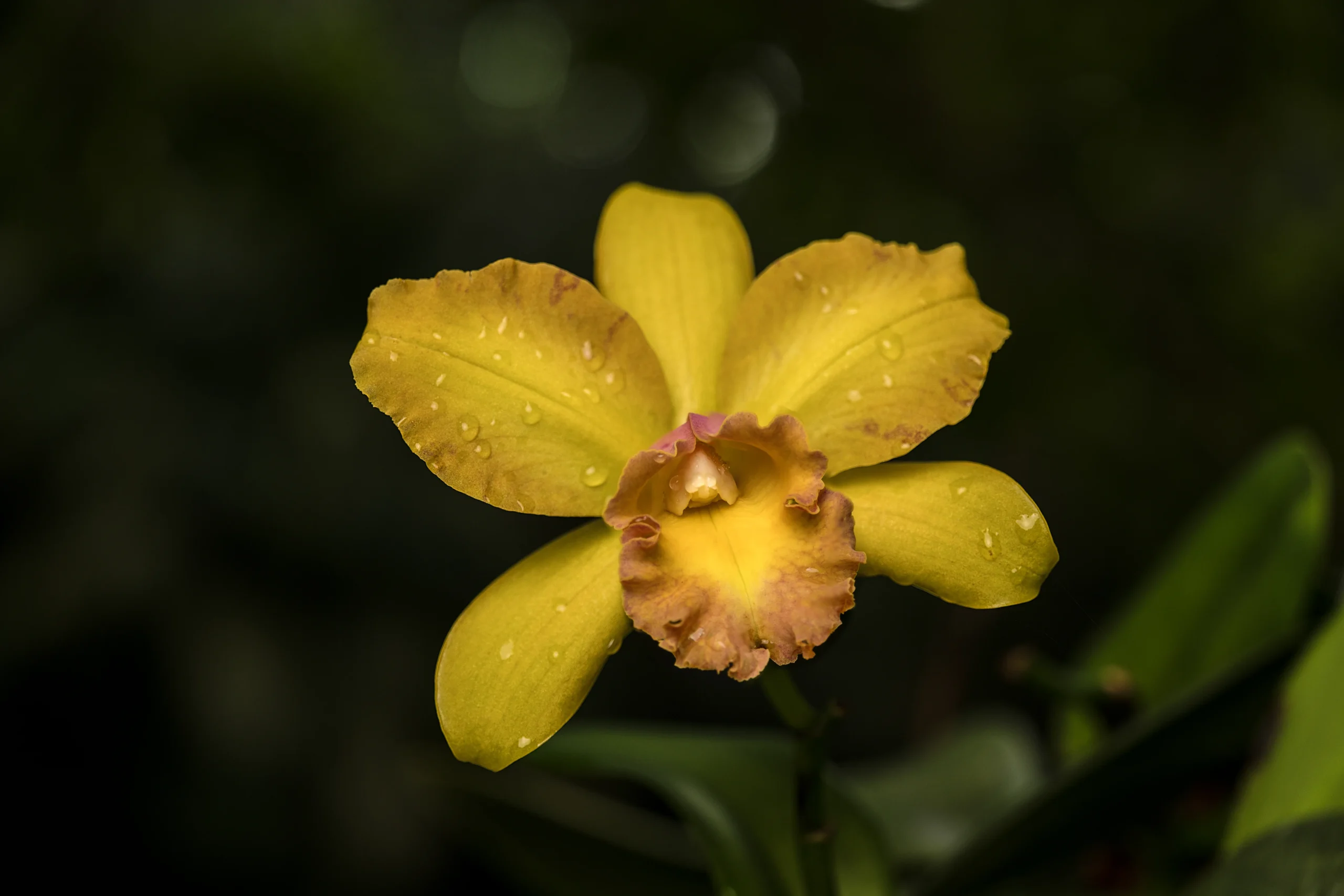
Within the diversity of the plant kingdom, orchids represent a distinctive group that has long attracted scientific interest. At Fairchild Tropical Botanic Garden, orchids are studied as living records of evolutionary adaptation, ecological specialization, and conservation challenges across tropical and subtropical ecosystems.
Orchids are among the largest and most diverse families of flowering plants, with more than 25,000 known species worldwide and over 100,000 registered hybrids.
This extraordinary diversity is the result of natural evolution as well as intentional hybridization, in which different orchid species are crossed to create new forms.
Together, these processes have produced an impressive range of growth habits, flower shapes, and adaptations that allow orchids to thrive in habitats ranging from tropical forests to temperate regions.
In This Article
- Types of Orchids
- Widely Grown Orchid Types
- Types of Orchids by Growth Habitat
- Rare & Exotic Types of Orchids
- How to Tell What Kind of Orchid You Have
- FAQs
- A Living Legacy of Diversity
Types of Orchids
The orchid family, Orchidaceae, is recognized for having elegant floral structures, which commonly exhibit symmetry, intricate patterns, and, in many species, a characteristic fragrance.
Orchids are traditionally divided into five subfamilies, based on key differences in flower structure and growth habit:
Often regarded as the most ancient lineage of orchids. Its flowers are more symmetrical and less specialized than those of most modern orchids.
This subfamily includes the familiar Vanilla genus, best known for producing vanilla beans. Many species are vigorous climbers, growing as vines in tropical forests.
Well-known genera such as Paphiopedilum and Cypripedium belong to this group. These orchids are easily recognized by their distinctive, pouch-shaped lip, which plays a key role in guiding and trapping pollinators.
A diverse group that includes many terrestrial, or ground-dwelling, orchids. Species in this subfamily are commonly found in temperate regions and are often associated with meadows, woodlands, and open landscapes.
The largest orchid subfamily, accounting for roughly 80 percent of all orchid species. It includes many well-known orchids such as Phalaenopsis (moth orchids), Cattleya, and Dendrobium. Most members grow as epiphytes, living on trees or other plants, and are characterized by having a single anther.
Widely Grown Orchid Types
The most widely encountered species and hybrids are often grown in homes, gardens, and public landscapes, where their adaptability and ornamental appeal have made them appropriate for both indoor and outdoor settings.
Phalaenopsis (moth orchids)
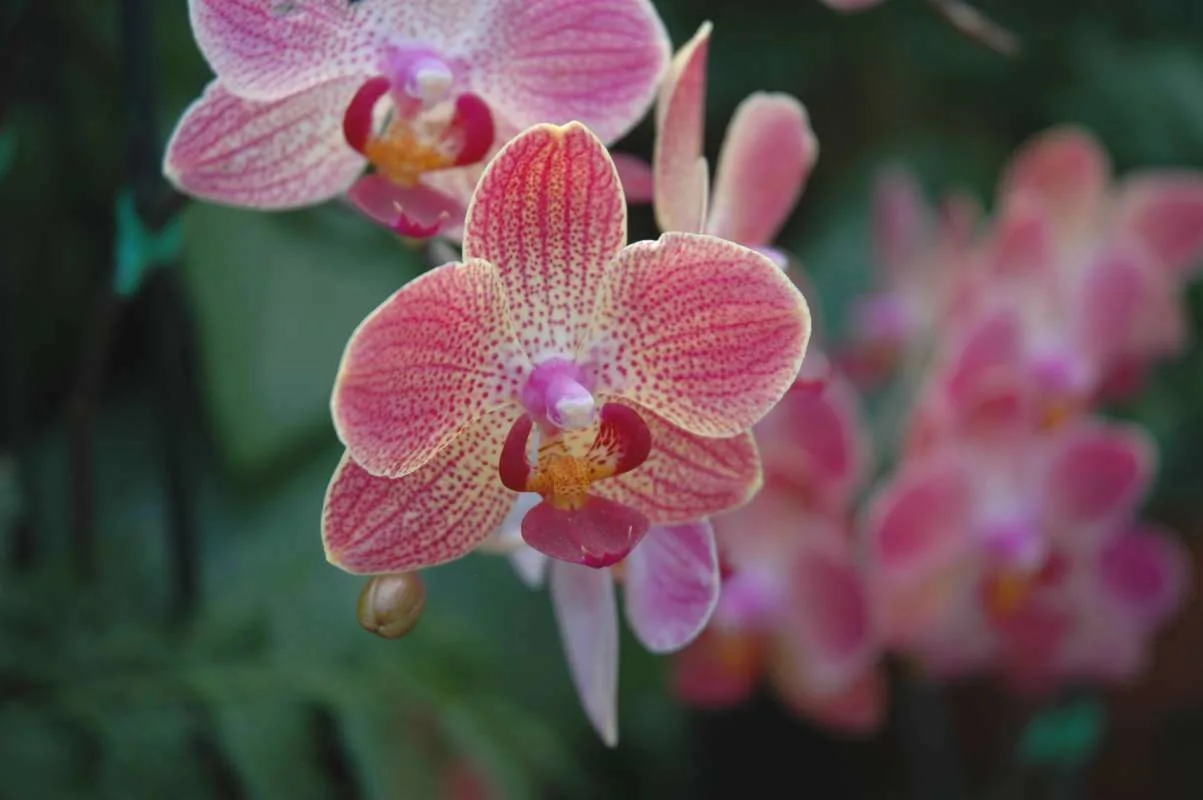
Phalaenopsis orchids are widely grown and easily recognized by their rounded flowers, often compared to a moth in flight. Their adaptability and long-lasting blooms have made them among the most commonly cultivated orchids worldwide.
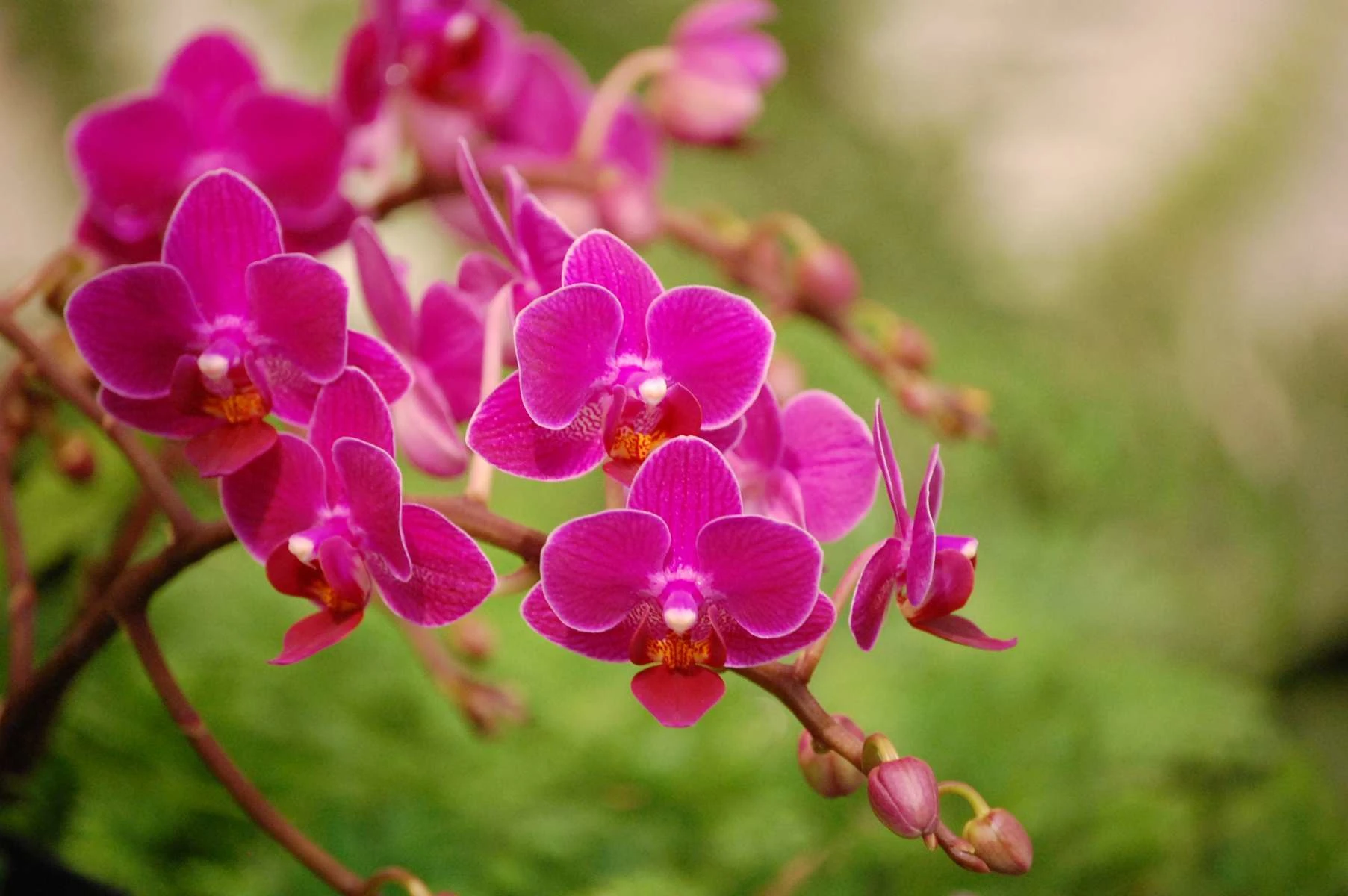
These orchids favor bright, filtered light and warm conditions, with a slight drop in temperature at night, and may flower more than once each year when grown in suitable environments.
The genus includes numerous species and hybrids exhibiting a wide range of colors and patterns. Notable examples include the fragrant Phalaenopsis bellina, the attractively mottled Phalaenopsis schilleriana, and the classic white-flowered Phalaenopsis aphrodite.
Dendrobium orchids
Dendrobium is one of the largest and most diverse orchid genera, comprising more than 1,600 species that display an exceptional range of flower colors, forms, and growth habits.
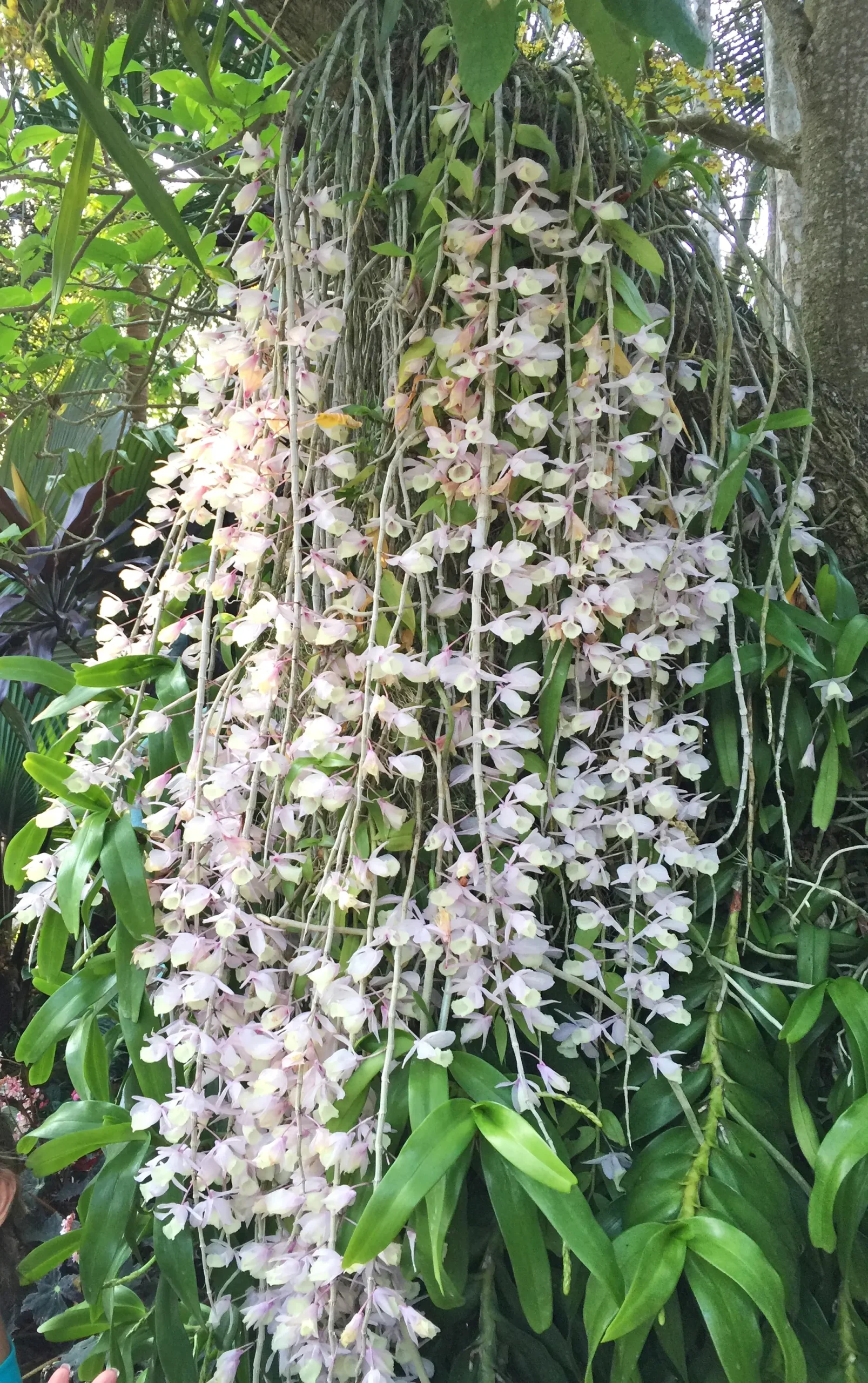
Many species produce long-lasting blooms, some of which are fragrant. Members of this genus occur across a broad geographic range, from tropical lowlands to cooler, upland regions, resulting in varied environmental preferences among species, though most favor bright light and moderate to high humidity.
Dendrobiums are typically characterized by upright, cane-like stems that bear clusters of flowers. In cultivation, mature plants may benefit from support. Commonly grown species include Dendrobium phalaenopsis, Dendrobium nobile, and Dendrobium kingianum.
Cattleya orchids (corsage orchids or queen of orchids)
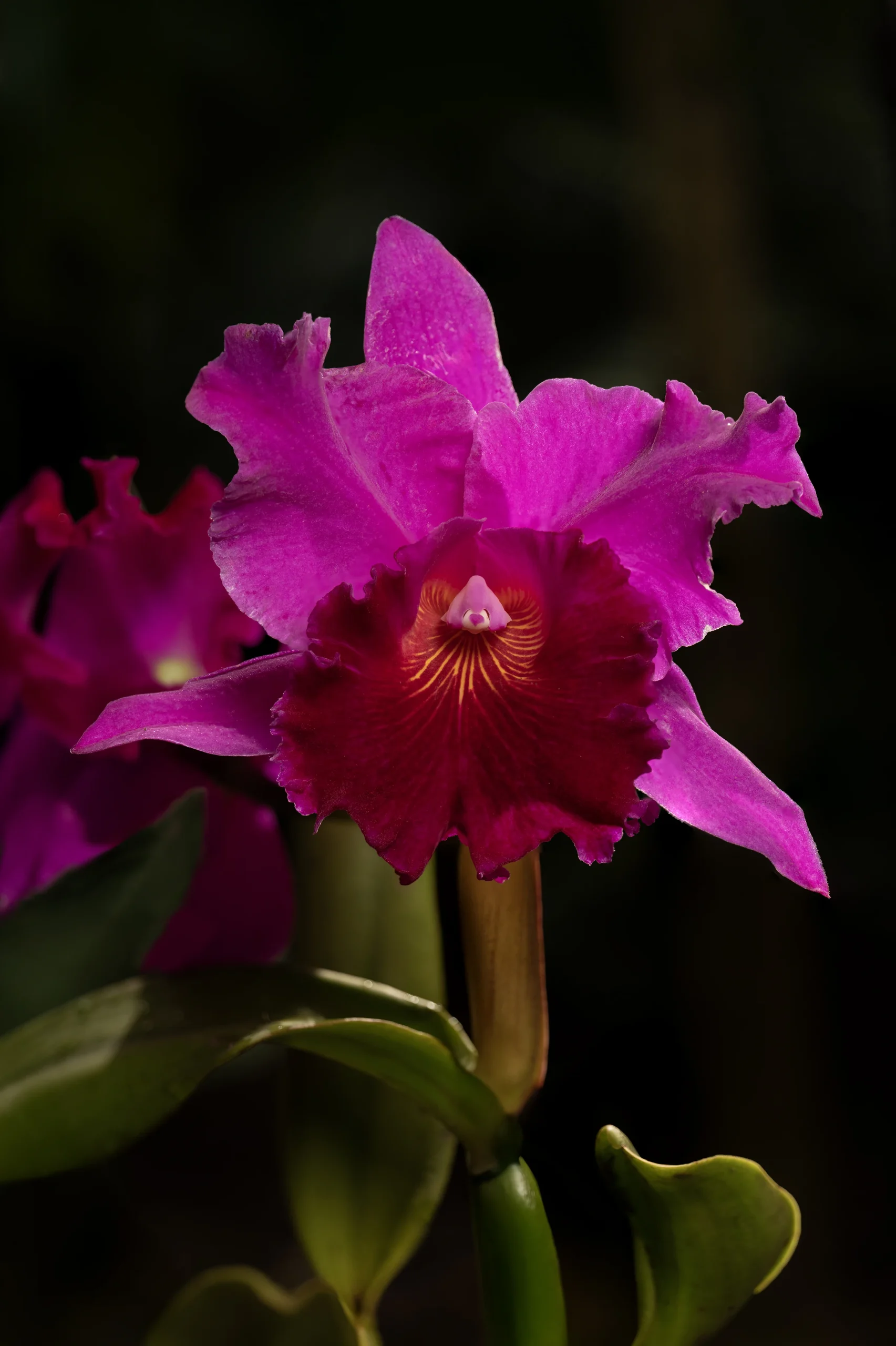
Cattleya orchids are native to Costa Rica and much of South America and are best known for their large, showy flowers. In the wild, many species grow as epiphytes, living on trees within forested habitats.
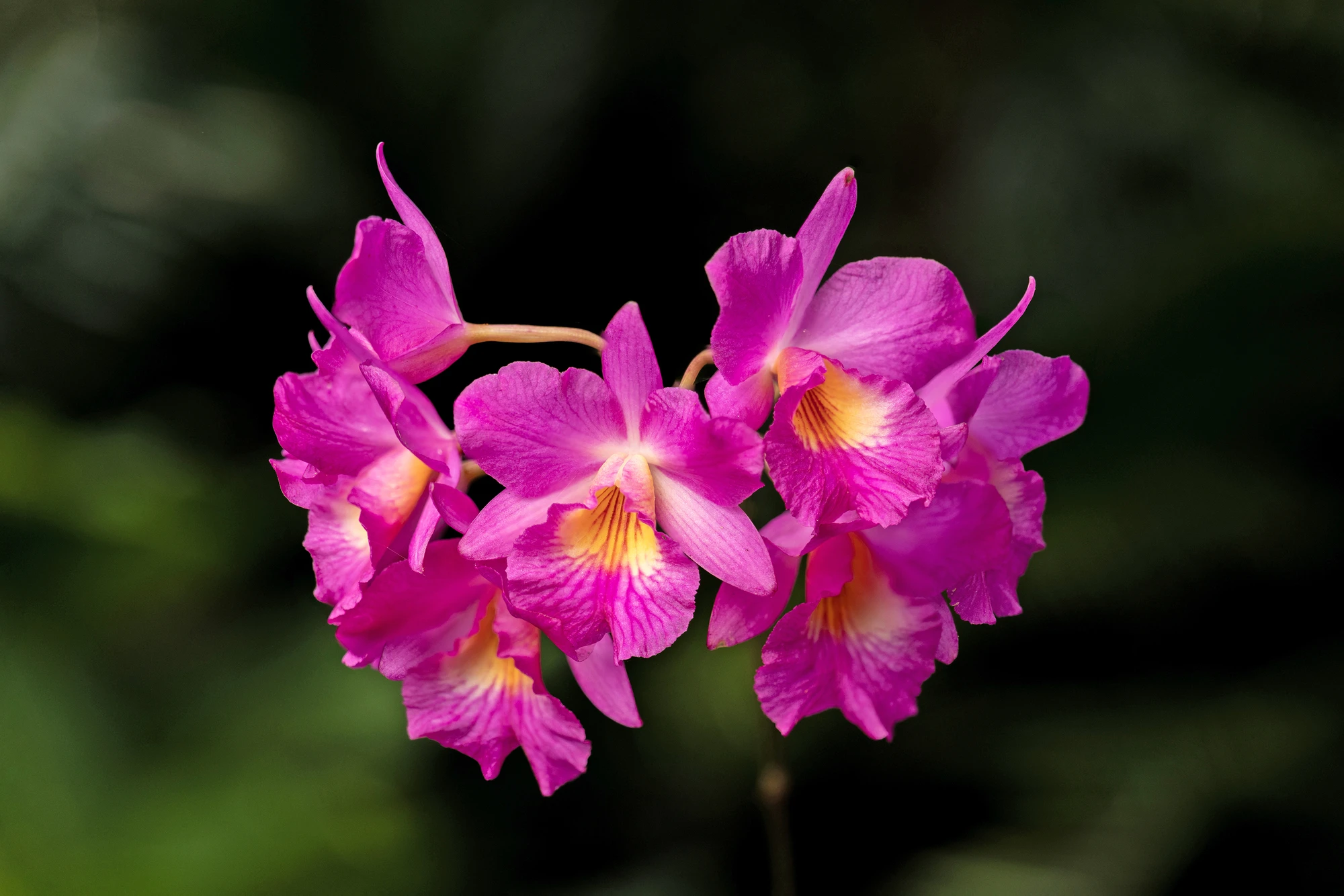
Extensive natural variation, along with decades of hybridization, has produced a wide range of Cattleya species and hybrids displaying diverse colors, forms, and patterns, many of which are also noted for their strong and pleasant fragrance.
These orchids grow from upright, thickened stems called pseudobulbs, which are connected by a creeping rhizome near the surface of the growing medium. Each new pseudobulb produces the following season’s flowers. Well-known species include Cattleya trianae, Cattleya walkeriana, and Cattleya maxima.
Oncidium (dancing lady) orchids
Oncidium orchids are easily recognized by their branching sprays of small, brightly colored flowers, often likened to dancing figures. Blooms commonly appear in shades of yellow, brown, red, and pink, with many species displaying striking multi-colored patterns.
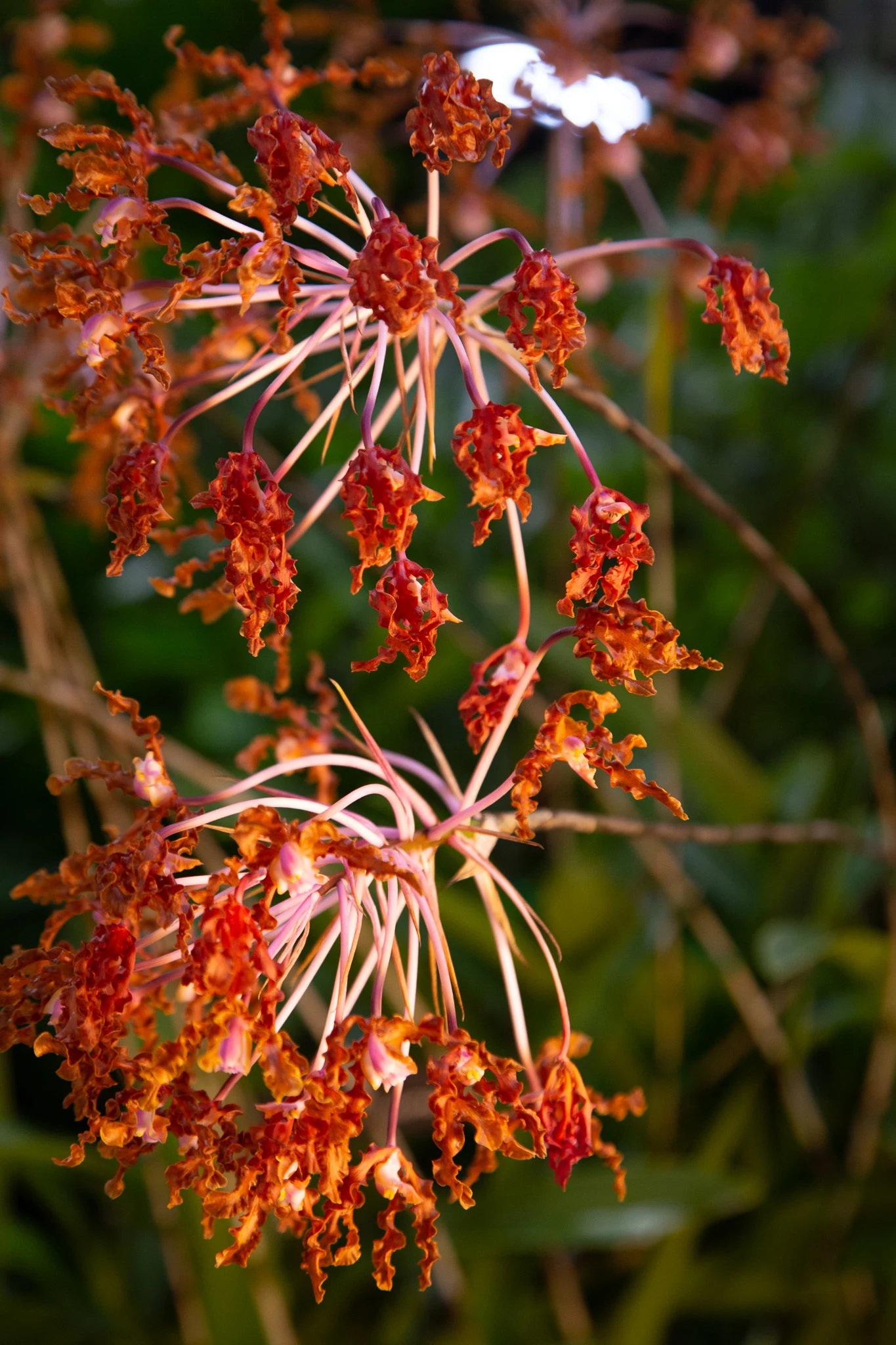
The genus includes hundreds of species, many of which grow as epiphytes in their native habitats, absorbing moisture and nutrients from the surrounding air and rainfall. This growth habit often causes plants to appear to rise or “climb” above the potting medium in cultivation.
Oncidium orchids generally prefer bright, filtered light, consistent moisture, and moderate to high humidity, along with warm days and slightly cooler nights. Well-known cultivated varieties include ‘sharry baby,’ noted for its chocolate-like fragrance, Oncidium ‘twinkle,’ and the popular “golden shower” types.
Cymbidium orchids
Often referred to as boat orchids, Cymbidium orchids are prized for their impressive floral displays. Their arching flower spikes carry numerous blooms, creating a bold and long-lasting presentation.
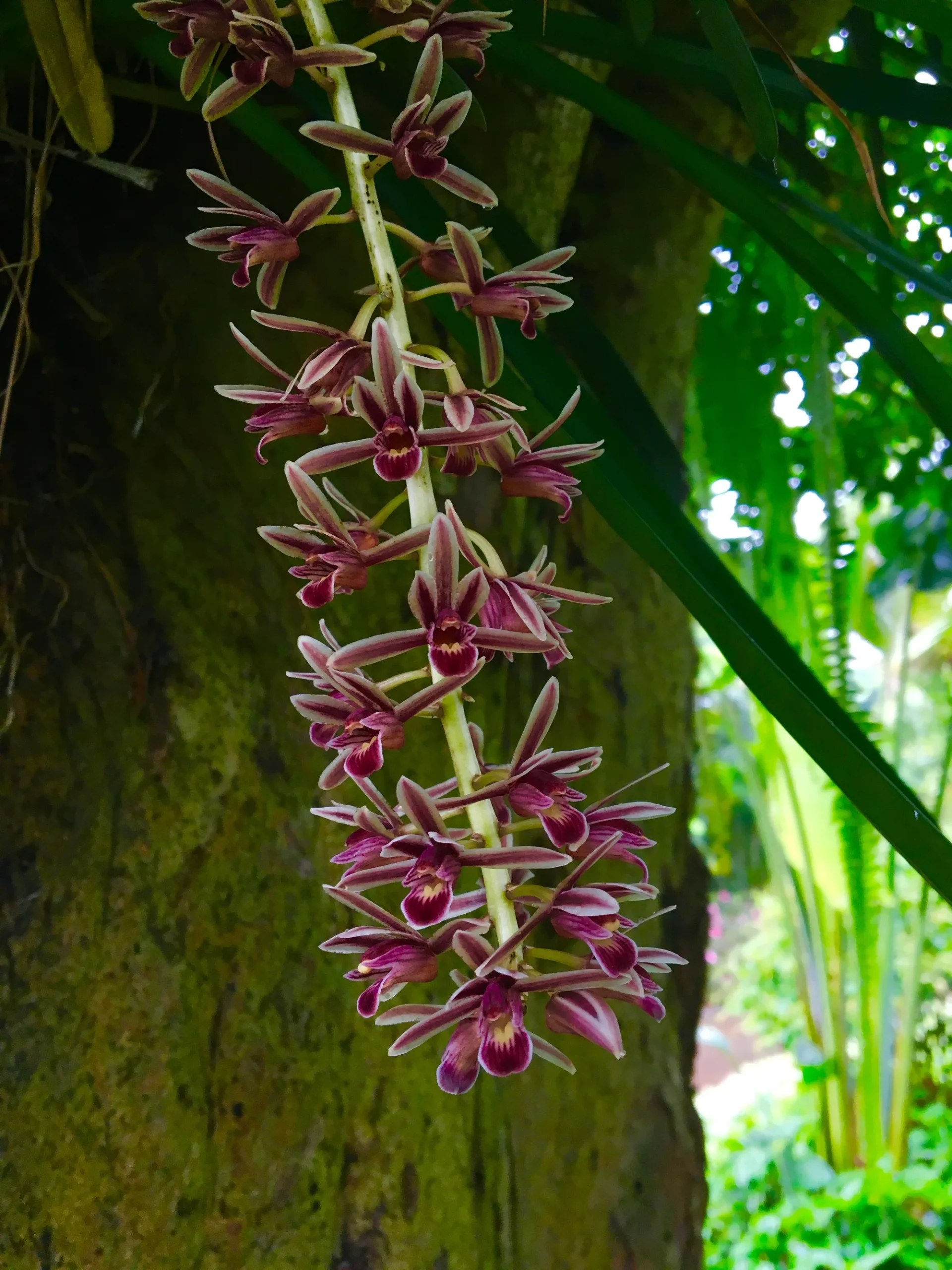
Flowers appear in a wide range of colors and are often produced in abundance, making this genus a favorite for both gardens and floral arrangements.
These robust orchids are characterized by long, strap-like leaves and a natural adaptation to cooler growing conditions. Warm days followed by cooler nights, particularly during autumn, play an important role in initiating flowering.
Cymbidium orchids are widely used in hybridization and are valued for their durability and extended bloom period. With regular watering and adequate humidity, many species and hybrids perform well in cultivation.
Notable species include Cymbidium tracyanum, Cymbidium lowianum, and Cymbidium erythrostylum.
Vanda orchids
The genus Vanda includes approximately 80 species and is admired for its bold, distinctive flowers. Many species produce large, colorful, and often fragrant blooms that are long-lasting and marked by striking patterns and vivid hues.
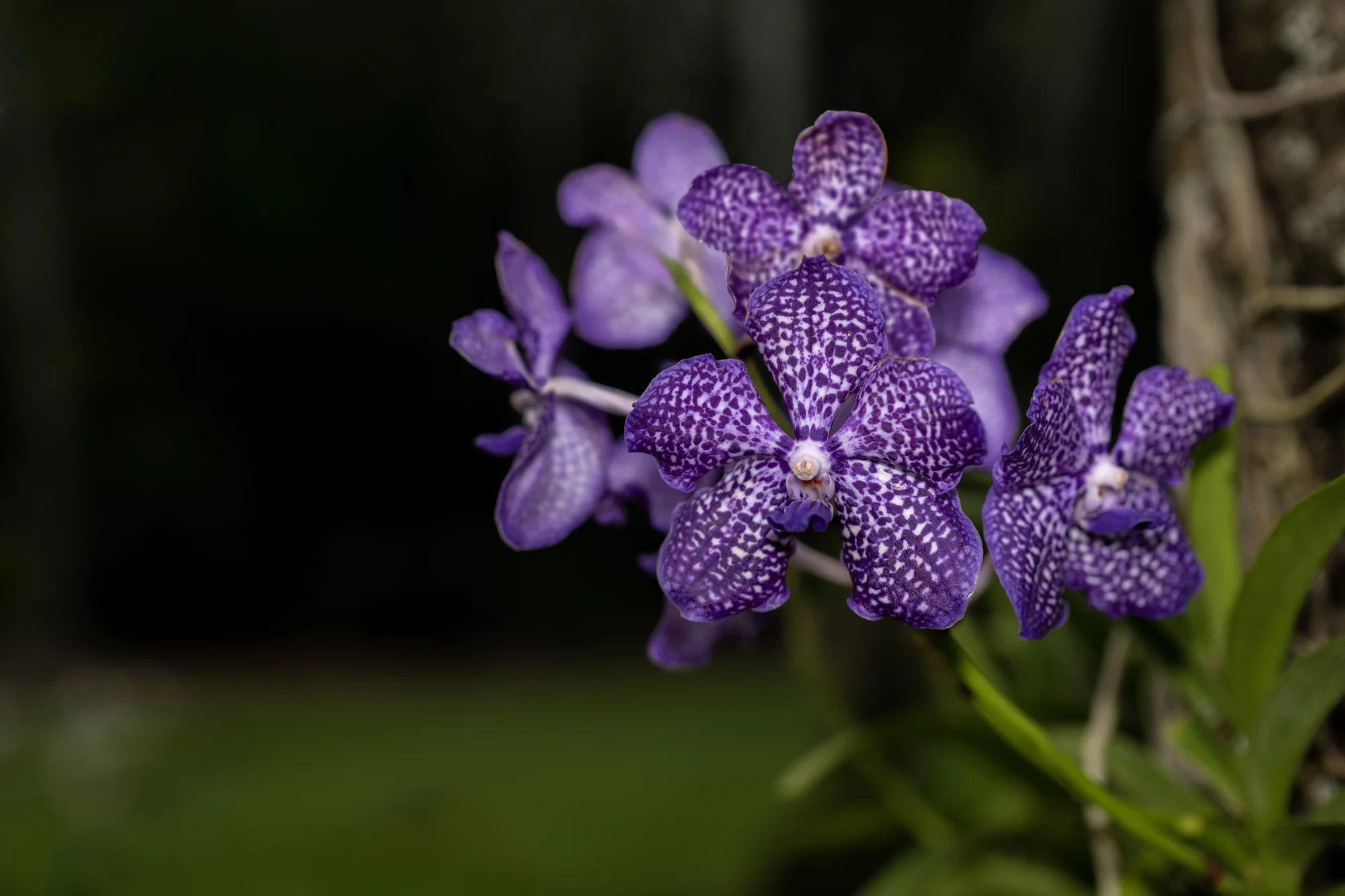
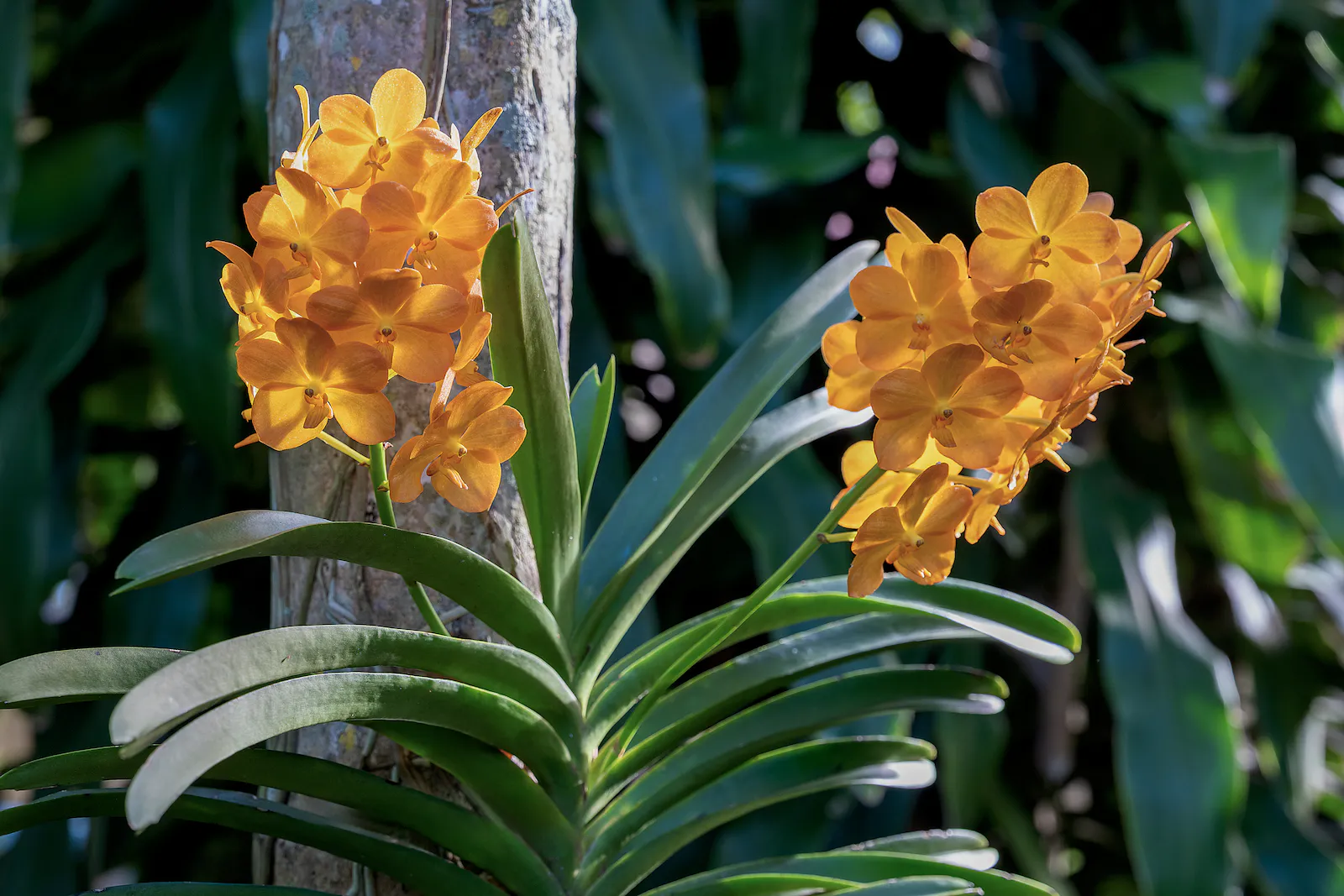
In their native habitats, Vanda orchids grow primarily as epiphytes, producing thick, exposed roots that hang freely and absorb moisture and nutrients from the surrounding air. This natural growth habit strongly influences how Vandas are displayed and cultivated, often in open baskets or with minimal growing media to allow maximum air circulation.
Under favorable growing conditions, Vanda orchids are capable of flowering multiple times throughout the year. Well-known species include Vanda coerulea, often referred to as the “blue orchid” of the Himalayan region, Vanda sanderiana, and several orange-flowered Vanda species that are prized for their vibrant coloration.
Types of Orchids by Growth Habitat
Orchids may be grouped according to where and how they grow in nature. While many orchids share similar needs for light, temperature, moisture, and humidity, their growth habitat can vary considerably.
In the wild, orchids are most commonly found in three distinct environments: on trees, on the ground, or on rocks.
Epiphytic Orchids
Epiphytic orchids grow attached to tree trunks or branches rather than in soil. They are not parasitic and do not harm their host plants, relying instead on specialized aerial roots to absorb moisture and nutrients from rain, humidity, and organic debris.
These roots are often coated with a spongy tissue known as velamen, which helps collect and retain water. Many epiphytic orchids also produce pseudobulbs that store moisture and nutrients, allowing them to withstand periods of dryness.
Growing above the forest floor provides access to brighter light and improved air circulation. Familiar epiphytic orchid genera include Phalaenopsis (moth orchids), Cattleya, Dendrobium, Vanda, and Oncidium.
Terrestrial (Ground) Orchids
Terrestrial orchids grow directly in the ground, anchoring their roots in soil rather than on trees or rocks. Many species develop underground structures such as tubers, rhizomes, or pseudobulbs that support seasonal growth and periods of dormancy.
In the wild, these orchids are commonly found on forest floors, grassy slopes, and open woodlands, where they benefit from well-drained soil, filtered light or partial shade, and consistent moisture. In temperate regions, terrestrial orchids often die back during winter and re-emerge with new growth in spring.
Representative genera include Paphiopedilum, Calanthe, Spathoglottis plicata, Bletilla striata (Chinese ground orchid), Phaius tankervilleae (nun orchid), and some terrestrial species of Cymbidium.
Lithophytic Orchids
Lithophytic orchids grow attached to rocky surfaces, anchoring themselves in cracks and crevices where organic material and moisture collect. They obtain water and nutrients from rain, humidity, and debris that accumulates around their roots.
Strong, clinging root systems provide stability, while many species develop pseudobulbs that store water and nutrients, helping them survive in exposed conditions.
Some orchids are highly adaptable and may grow as lithophytes, epiphytes, or terrestrials depending on local environmental factors. Lithophytic species occur in genera such as Laelia, Dendrobium, Epidendrum, and Catasetum, many of which are noted for their resilience and striking floral displays.
Rare & Exotic Types of Orchids
Beyond the orchids commonly seen in cultivation, there exists a remarkable group of species noted for their rarity, specialized habitats, and unusual growth forms. Many of these orchids are of particular interest to botanists and conservationists, as they are often restricted to narrow geographic ranges or highly specific environmental conditions.
Notable Rare Orchid Species
Dendrophylax lindenii (ghost orchid)
A leafless orchid native to the swamps of Florida and Cuba, recognized for its delicate, white, floating flowers. This species depends on precise ecological conditions and is rarely encountered in cultivation.
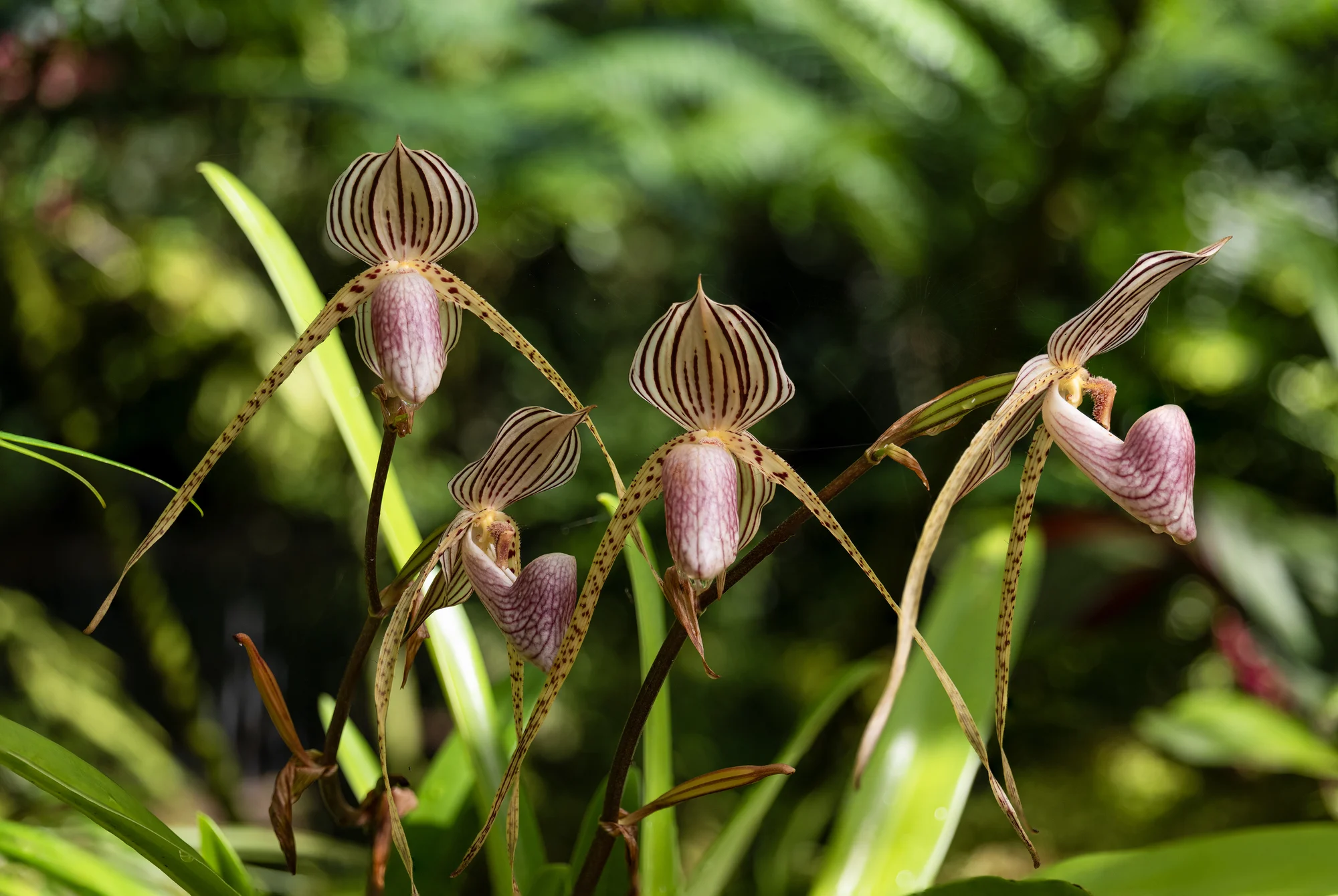
Paphiopedilum rothschildianum (gold of Kinabalu)
Endemic to Mount Kinabalu in Borneo, this striking slipper orchid is known for its boldly striped flowers and limited natural distribution.
Rhizanthella gardneri (western underground orchid)
An extraordinary species that completes its entire life cycle below ground. Native to Australia, it relies on underground fungi and insects for survival and pollination.
Dracula simia (monkey orchid)
A member of the Dracula genus, this orchid is noted for flowers that resemble expressive faces. It is native to cloud forests of Central and South America.
Angraecum sesquipedale (Darwin’s orchid)
Native to Madagascar, this species is renowned for its long floral spur and its historic association with Charles Darwin’s pollination studies. Habitat loss has contributed to its rarity in the wild.
These examples represent only a small portion of the extraordinary diversity found within the orchid family, highlighting the importance of conserving their natural habitats.
Exotic Orchids from Tropical Rainforests
Tropical rainforests support an exceptional diversity of orchids, many of which grow as epiphytes high in the forest canopy. In these environments, orchids benefit from filtered sunlight, high humidity, frequent rainfall, and constant air movement. These conditions have shaped a wide range of growth forms and flowering strategies.
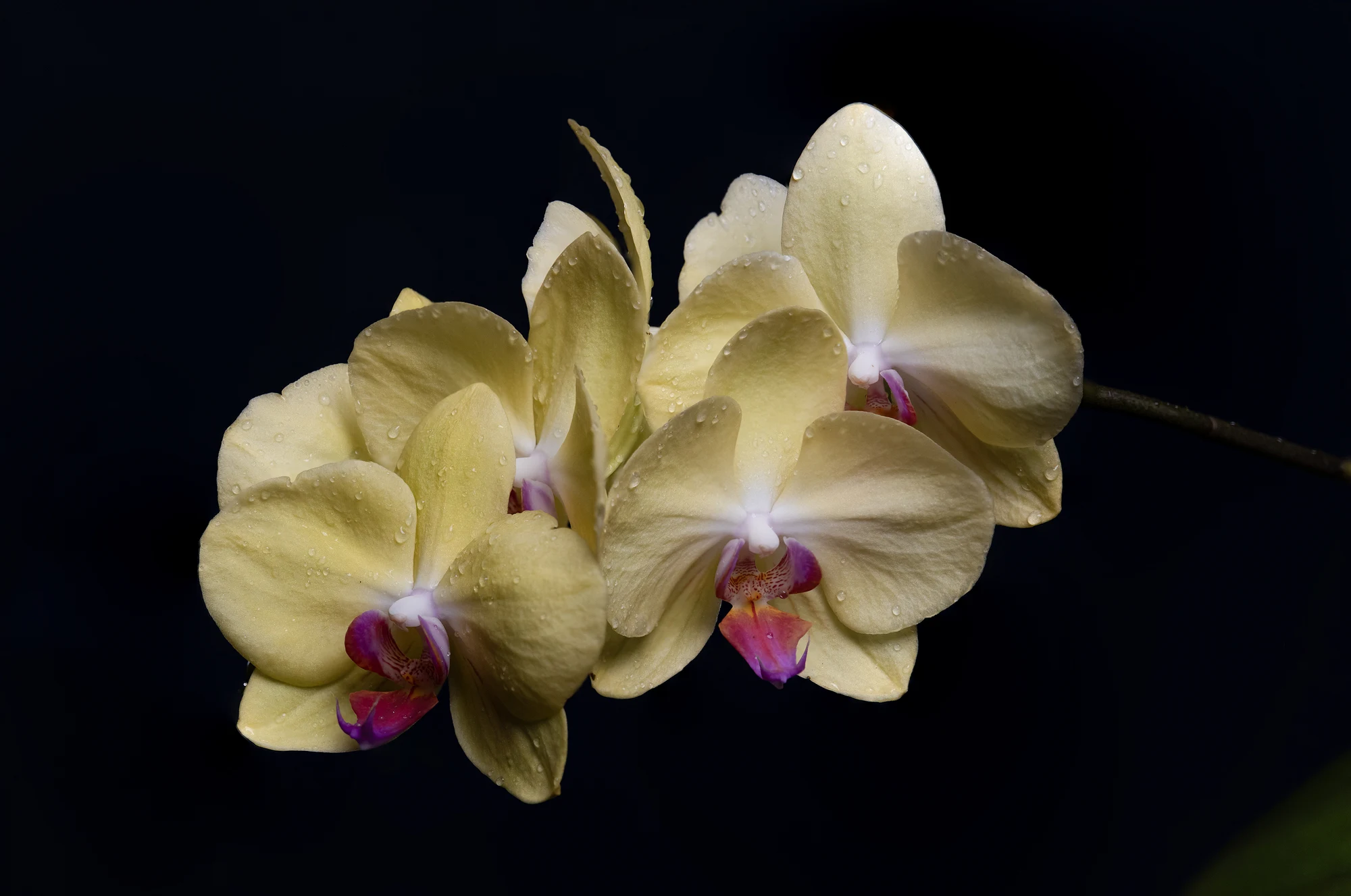
Phalaenopsis (moth orchids) 
Native to Southeast Asia and parts of Australia, these orchids are known for their broad, rounded flowers, often compared to moths in flight.
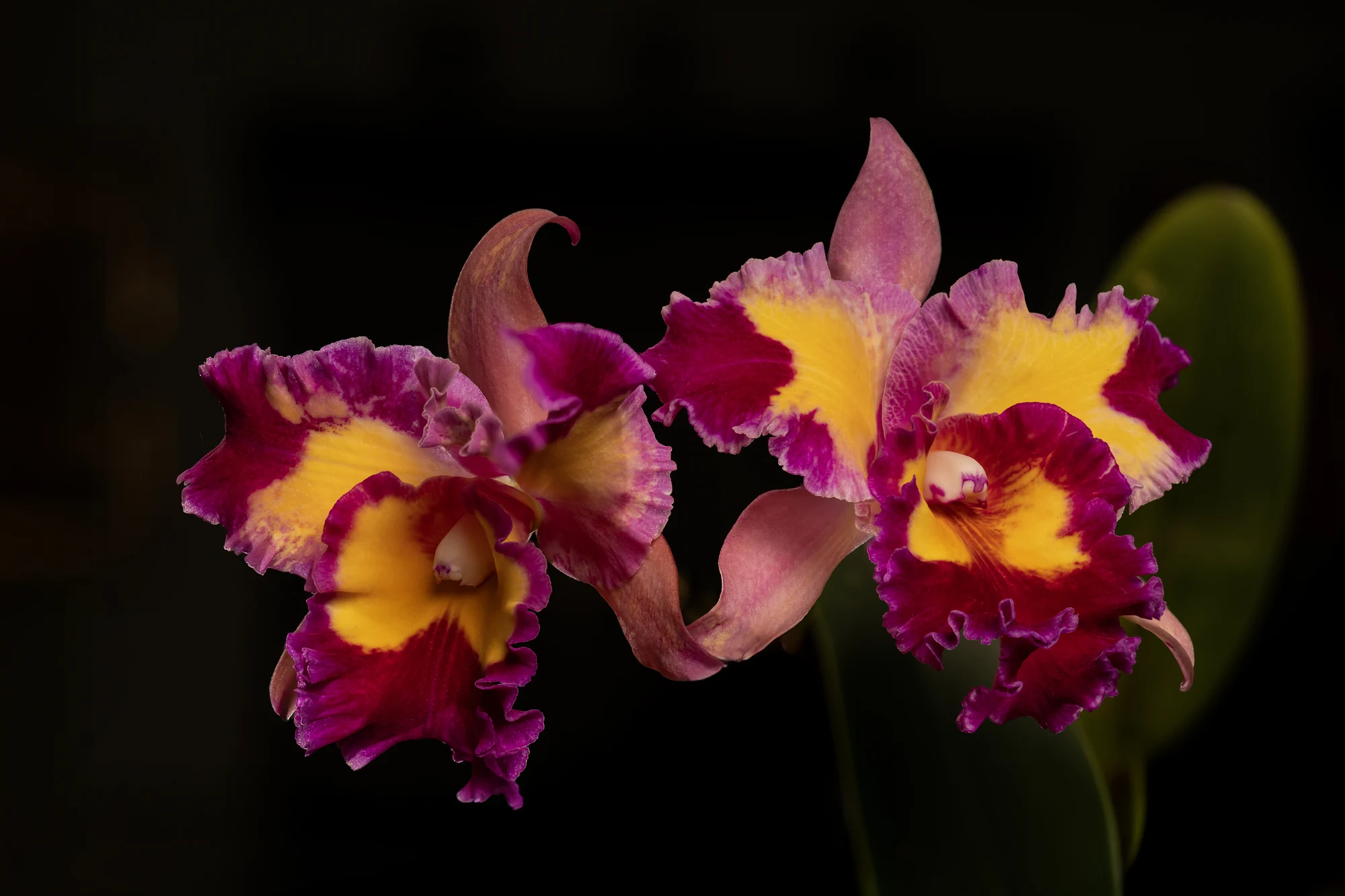
Cattleya
Found throughout Central and South American rainforests, including the Amazon Basin. Many species grow high in trees and are valued for their large, colorful blooms.
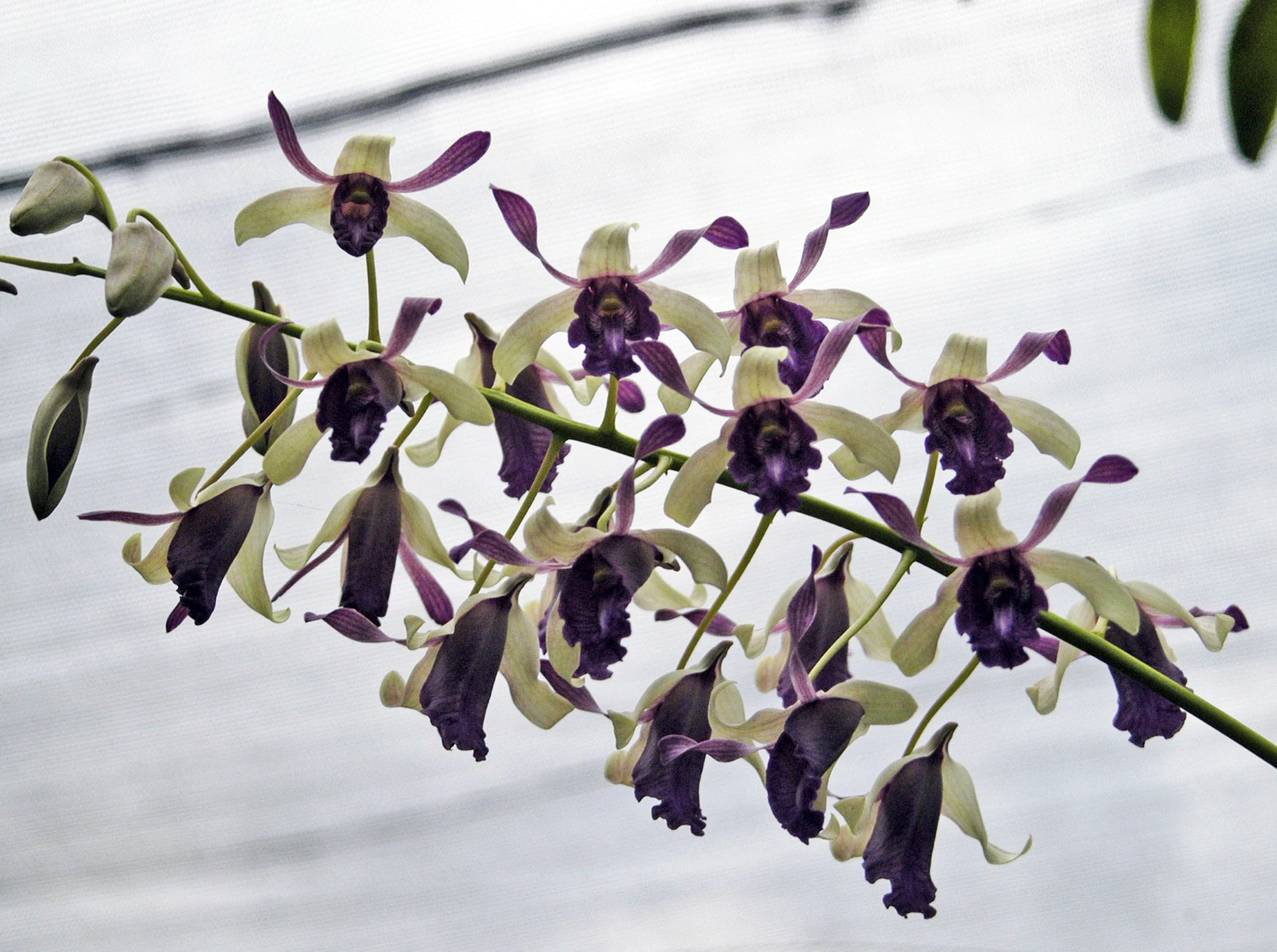
Dendrobium
One of the largest orchid genera, with more than 1,800 species. Flowers occur in clusters and may appear in white, pink, purple, red, or yellow.
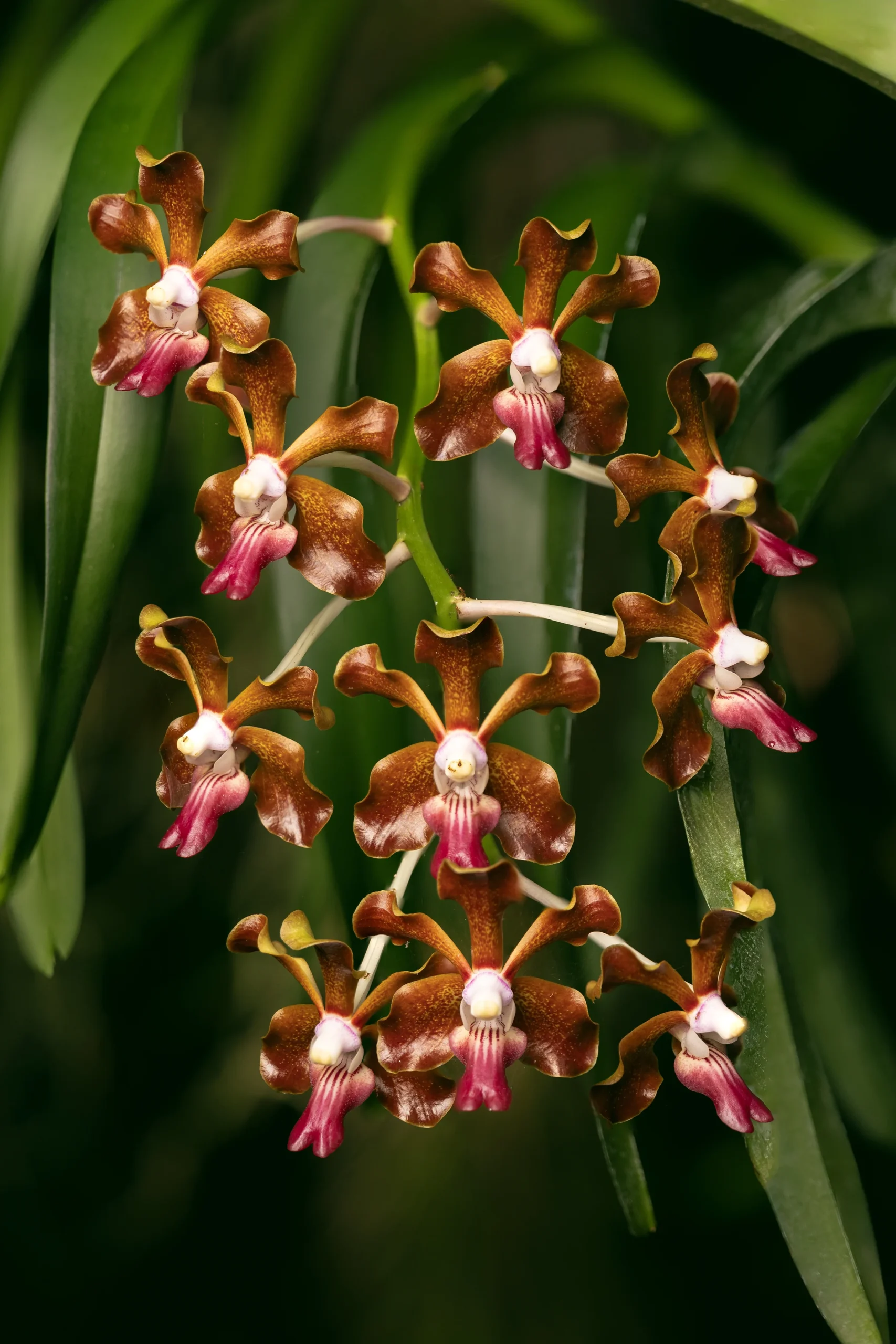
Vanda
Native to tropical Asia and the Pacific, these orchids are recognized for their vivid, long-lasting flowers and prominent aerial root systems.
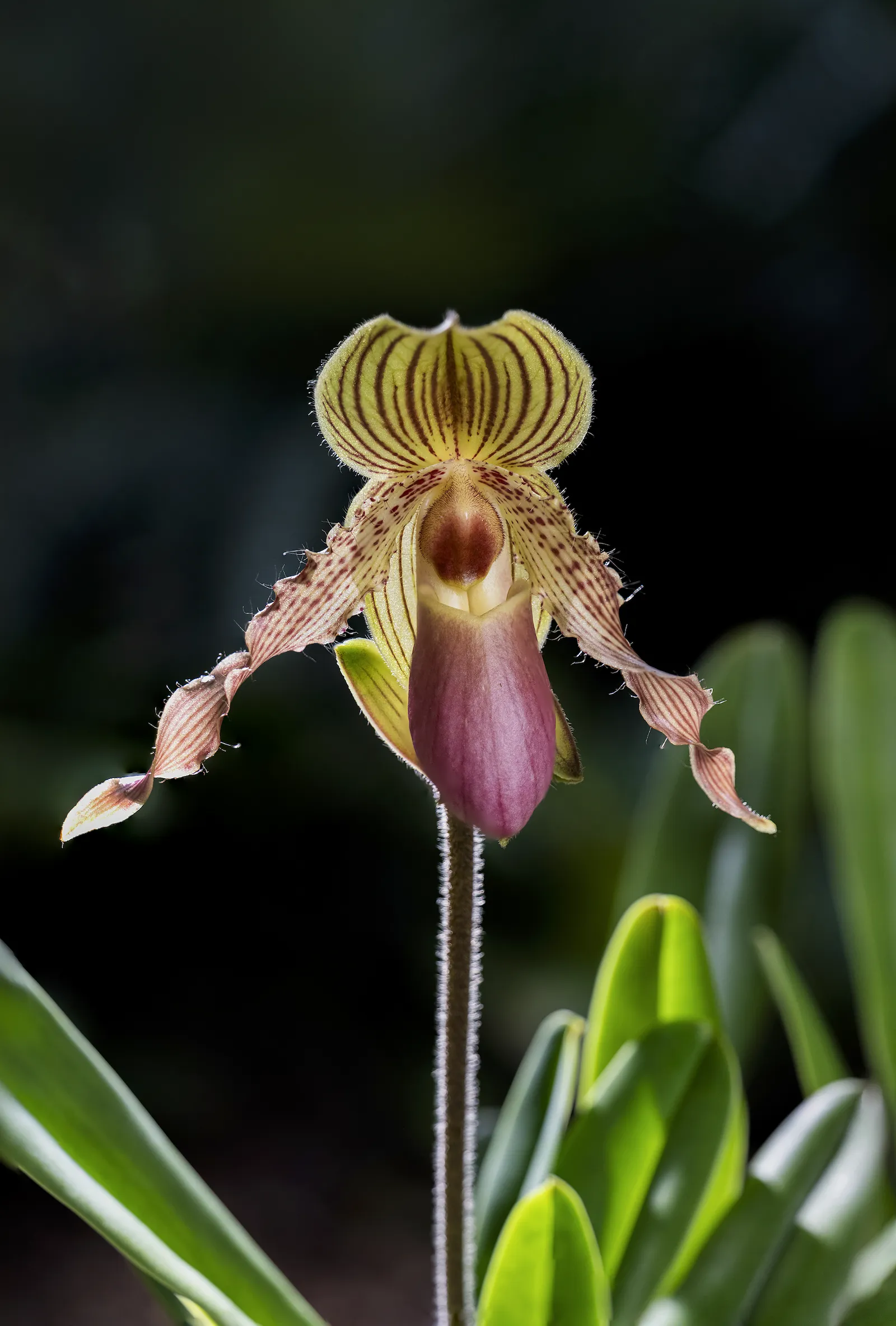
Paphiopedilum (slipper orchid)
Native to Southeast Asian rainforests, these orchids are distinguished by their pouch-shaped lip, which plays a role in pollination.
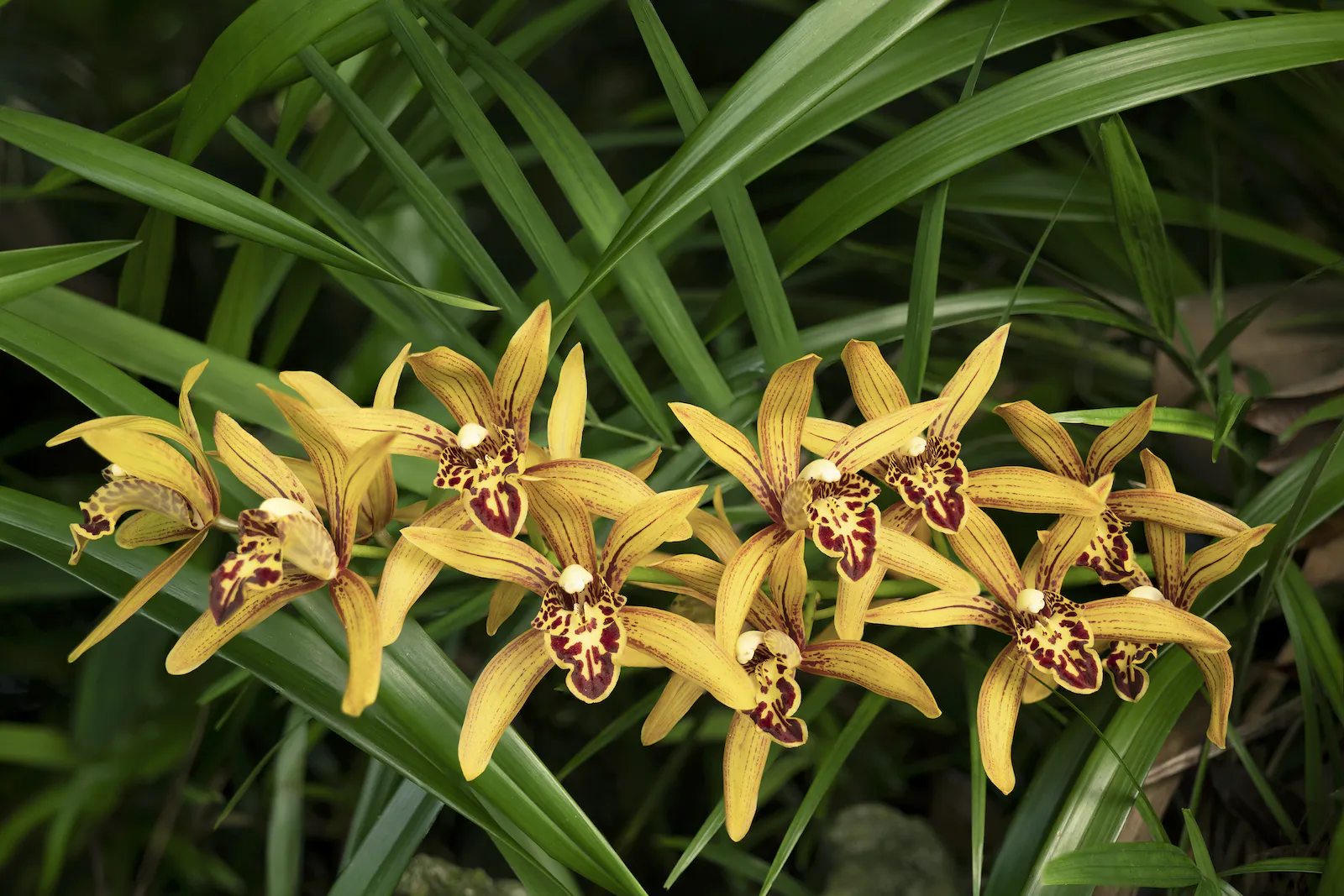
Cymbidium
Evergreen orchids of tropical and subtropical forests, known for their tall flower spikes and wide range of colors.
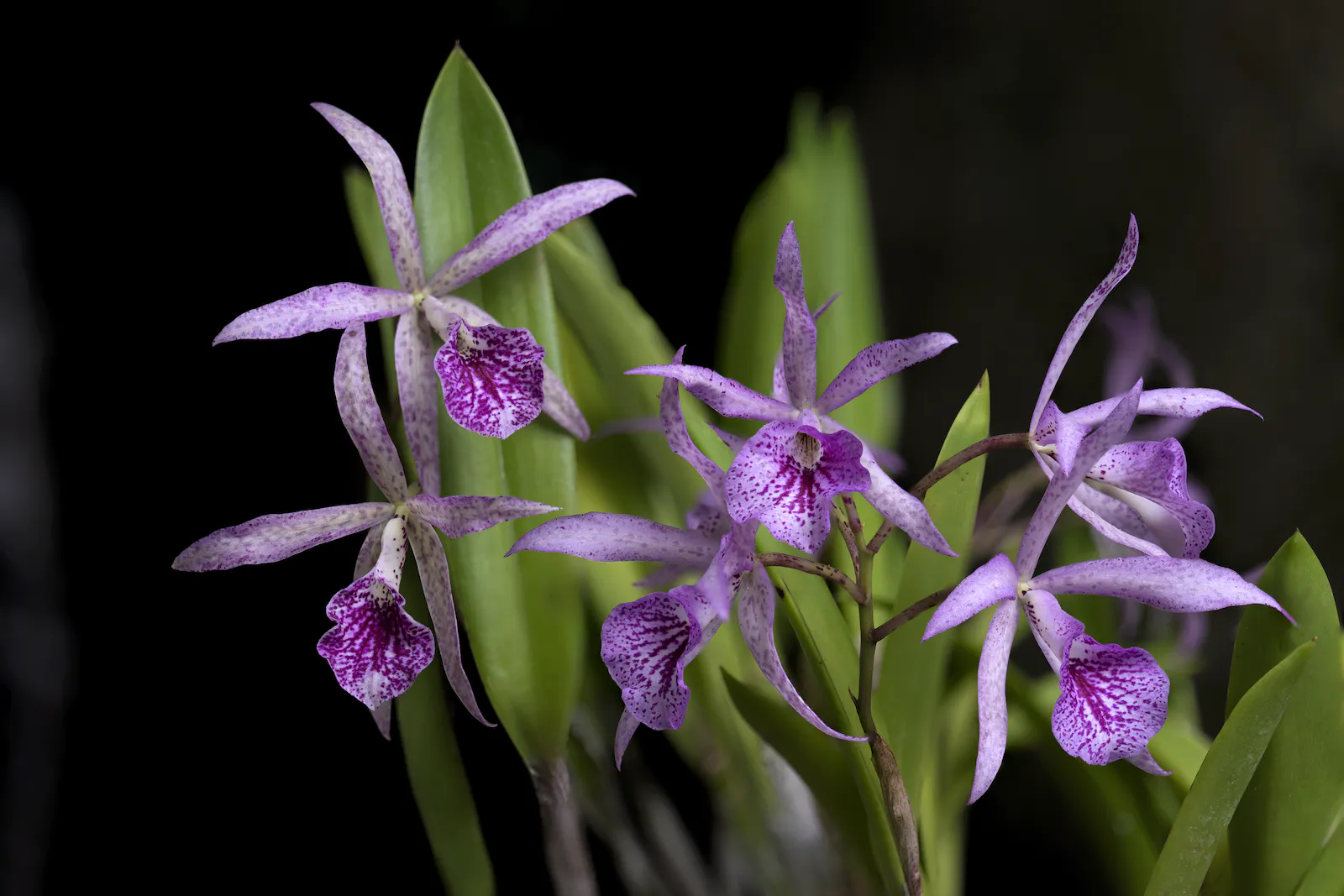
Epidendrum
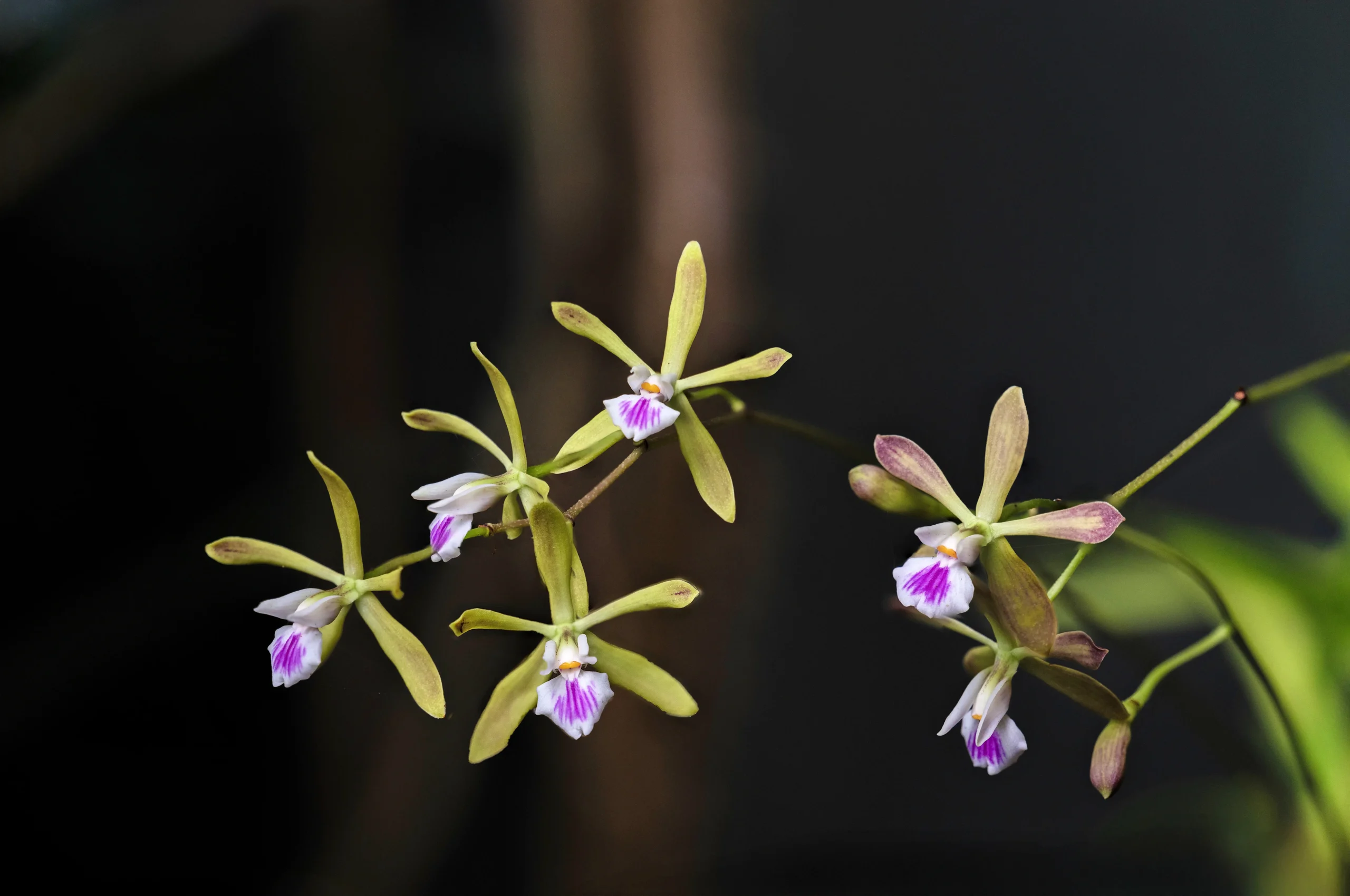
A diverse genus that includes species such as Epidendrum wallisii, which produce star-shaped flowers and grow firmly attached to rainforest trees.
Notable Rainforest Orchid Species
Trichocentrum undulatum (spotted mule-eared orchid)
Native from the Caribbean through southern Florida, including the Everglades. This species is noted for its mottled petals and vibrant purple-pink lip.
Lycaste schilleriana var. rosea
A Central American species with large, showy flowers adapted for pollination by Euglossine bees.
Coelogyne viscosa
A lithophytic rainforest orchid that grows on rocky surfaces and relies on pseudobulbs to store water.
Aerangis
A genus of delicate, epiphytic orchids from African and Indian Ocean rainforests, known for their graceful, often pale-colored flowers.
Together, these orchids illustrate the remarkable diversity of tropical rainforests and underscore the importance of conserving the ecosystems that support them.
How to Tell What Kind of Orchid You Have?
Identifying an orchid may seem challenging at first, but careful observation of a few key features can provide valuable clues. Characteristics such as overall form, flower size and shape, color, and growth habit all play an important role in recognizing different orchid groups.
Observing the Flowers
Flowers offer the most reliable features for orchid identification. Each orchid genus displays distinctive floral characteristics that reflect its evolutionary history and pollination strategies.
Flower size
Orchid flowers range from delicate, inch-wide blooms to large, showy blossoms several inches across. The relative proportions of the petals, sepals, and lip can be especially helpful, as some genera are known for miniature flowers while others produce bold, oversized blooms.
Color and pattern
While orchids occur in nearly every color, certain hues and markings, such as spots, stripes, or streaks, are closely associated with specific groups. Uncommon colors, including true blue, can be particularly useful in narrowing down an identification.
Flower shape
The shape and arrangement of the petals, sepals, lip, and central column are among the most defining features of an orchid. These structural differences often explain an orchid’s common name. Flower orientation may also vary, with some blooms facing upward and others hanging gracefully.
Number of flowers
The number of blooms produced on a single flower spike can also provide insight. Some orchids produce only one flower per stem, while others carry long sprays of many blooms, often arranged in a balanced or symmetrical pattern.
Observe the Plant’s Structure (when it is not Blooming)
Even when an orchid is not in flower, its growth habit and leaf structure can offer important clues to its identity. Many orchid groups display characteristic forms that remain consistent throughout the year.
Phalaenopsis (moth orchids)
Recognized by broad, fleshy leaves and prominent aerial roots. Flower spikes typically emerge from the base of the plant or between the leaves and arch gracefully outward.
Cattleya
Identified by their thickened stems, known as pseudobulbs, which often support one or two sturdy leaves at the top.
Vanda
Characterized by stiff, strap-like leaves arranged along an upright stem. In cultivation, these orchids are often displayed in open baskets with minimal growing medium, reflecting their naturally exposed root systems.
Cymbidium
Noted for long, grass-like leaves that form dense clumps, along with tall flower spikes bearing numerous blooms.
Epidendrum (reed-stem orchids)
Distinguished by slender, upright, cane-like stems. Flower clusters form at the tips and are often brightly colored, giving rise to the common name “reed-stem orchids.”
Online Help to Identify Your Orchid
For those seeking additional assistance, several mobile applications can support orchid identification through photography and shared observations. These tools can be especially helpful when used alongside careful visual study.
- Orchid Care – Plant Identifier: A general orchid identification and reference app available for Apple devices.
- PlantSnap: An image-recognition–based application capable of identifying a wide range of plant species, including orchids, and available on both Android and iOS platforms.
FAQs
Orchids are commonly grouped into three primary types based on where they grow and how they obtain moisture and nutrients: epiphytic, terrestrial, and lithophytic.
Epiphytic orchids grow on trees, using exposed aerial roots to absorb water and nutrients from rain, humidity, and organic debris. Terrestrial orchids grow directly in the soil, while lithophytic orchids anchor themselves to rocks, drawing resources from moisture, moss, and accumulated organic material in crevices.
Some orchid species are highly adaptable and may grow in more than one of these environments, reflecting the remarkable ecological diversity of the orchid family.
Among orchids grown indoors, Phalaenopsis, often called the moth orchid, is the most frequently encountered. It is valued for its long-lasting flowers, which are often compared to moths in flight, as well as its wide range of colors and adaptability to indoor conditions.
While other genera such as Dendrobium and Oncidium are also commonly available, Phalaenopsis remains especially widespread due to its consistent flowering and ease of cultivation.
Cymbidium and Phalaenopsis orchids differ in their overall growth habit, floral display, and environmental preferences. Phalaenopsis, commonly known as moth orchids, produce rounded, moth-like flowers borne on gently arching stems and are characterized by broad, fleshy leaves. These orchids are well adapted to warm conditions and are widely grown indoors.
Cymbidium orchids, in contrast, produce tall, upright flower spikes carrying numerous long-lasting blooms. Their narrow, strap-like leaves and robust growth give them a bold presence. Many Cymbidiums require cooler nighttime temperatures to initiate flowering, a trait that reflects their natural adaptation to cooler environments.
A Living Legacy of Diversity
Orchids represent one of the most diverse and adaptable plant families on Earth, shaped by millions of years of evolution across a wide range of habitats. From tropical rainforests and cloud forests to temperate woodlands and grasslands, orchids reveal the intricate relationships between plants, pollinators and their environment.
At Fairchild Tropical Botanic Garden, visitors can experience this diversity firsthand by exploring collections that highlight both Florida’s native orchids and a wide array of exotic species. These living displays offer an opportunity to observe orchids in settings that reflect their natural habitats and to learn about the conservation efforts that help protect them.
Fairchild’s Million Orchid Project further advances this mission by engaging not only researchers at the Fairchild Science Village Orchid Lab, but also the broader community, in a large-scale breeding program that grows orchids from seed for restoration and education.
Whether encountered in the wild or within the Garden, orchids inspire curiosity, careful observation, and a deeper understanding of the natural world. Through research, conservation, and educational programs, Fairchild Tropical Botanic Garden remains committed to celebrating and protecting the extraordinary diversity of orchids, ensuring that these remarkable plants continue to inspire learning and discovery for generations to come.